Page 15 - Monthly Archives: September 2025
- - September 22, 2025
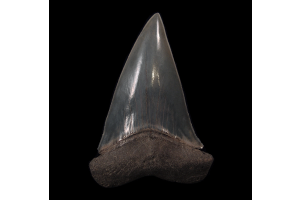
For centuries, mysterious fossilized objects washed up on shores and emerged from rocky cliffs, sparking endless speculation. Some believed they were remnants of mythical beasts, others thought they were celestial fragments fallen from the moon. Among the most captivating of these relics is the real megalodon tooth, a specimen that bridges folklore with science and continues to fascinate collectors and researchers alike. As our understanding grew, these fossils transformed from misunderstood curiosities into powerful evidence of one of the ocean’s most extraordinary predators.
The First Misunderstandings: Dragon Tongues and Mythical Beasts
Long before marine science existed as a formal discipline, natural historians and villagers alike tried to make sense of unusual stone objects. Large fossil teeth, often discovered in Europe and Asia, were frequently interpreted as “dragon tongues.” Their triangular, serrated shape lent itself to comparisons with mythological creatures. In medieval times,
- - September 22, 2025
Many buyers enter the world of fossil hunting without a clear understanding of value. They search online, compare prices, and hope to land a good deal. But hope does not protect you from overpaying. When it comes to Megalodon teeth in Indonesia, the market operates according to specific guidelines. These teeth hold their own story, shaped by time, geology, and scarcity. You must understand those details before you commit. This guide clears the noise. You will learn what to watch, what to ask, and how to buy with complete confidence and zero confusion.
Understand What Megalodon Teeth in Indonesia Really Offer
Many buyers treat all Megalodon teeth the same. That creates the biggest mistake. Indonesian fossils carry different stories. The soil, the rivers, and the hands that recover these fossils all contribute to shaping the end product. A tooth from Indonesia often keeps its color better and shows unique signs of mineral contact. If you see a listing that says “Megalodon tooth” with no
- - September 22, 2025
In the world of paleontology and fossil collecting, the allure of owning a genuine piece of prehistory is undeniable. Among the most coveted treasures are the teeth of the legendary Megalodon, the ancient giant of the seas. These fossilized remnants serve as stunning relics of a long-extinct apex predator—and they are in high demand. However, with popularity comes risk, and the rise in fossil trading has also opened the door to replicas, forgeries, and artificial restorations. Understanding the difference between a Megalodon tooth fake vs real is essential for both seasoned collectors and curious newcomers.
At Buried Treasure Fossils, we take immense pride in helping enthusiasts navigate the fascinating world of authentic Megalodon teeth. In this blog, we’ll explore key indicators that can help you verify the authenticity of these prehistoric marvels with confidence.
The Importance of Authenticity in Megalodon Fossil Collecting
Owning a genuine Megalodon tooth isn’t just about aesthetics—it’s
- - September 22, 2025
For many fossil enthusiasts, the thrill of finding a prehistoric shark tooth is second to none. These serrated giants, once belonging to the mighty Megalodon, are more than just collectibles—they are fragments of Earth’s deep history. But an interesting question often surfaces: while people set out on megalodon tooth fossil hunting trips, do they also stumble upon other ancient discoveries? The answer is a fascinating yes, and it takes us beyond teeth into a broader world of prehistoric treasures.
Why Megalodon Teeth Are So Popular Among Collectors
The Megalodon was the largest shark to ever live, dominating oceans millions of years ago. Its teeth can measure over seven inches long, and they are remarkably well-preserved compared to many fossils. Their size, durability, and rarity make them prized finds for divers and collectors.
But teeth are only part of the story. When hunters head into rivers, beaches, and cliffs in search of these impressive fossils, they are venturing into layers
- - September 22, 2025
When we hold a Megalodon tooth, we are having a fragment of prehistoric time. Our fascination with these fossils drives us to study, preserve, and share them with care. The massive size, serrated edge, and mineralized surface tell the story of an apex predator and the geological processes that shaped it.
For us, authenticity is not only about appearance but also about ensuring that each specimen reflects its true history. Fossilization and preservation leave behind indicators that replicas cannot convincingly reproduce. These subtle yet consistent signs form an unmistakable record of natural history.
Serrations and Natural Wear
A genuine Megalodon tooth exhibits serrations that reveal the impact of both feeding activity and geological processes. These serrations may be chipped, softened, or slightly uneven, revealing a history of natural wear. They demonstrate how the tooth was used during the animal’s life and later altered by burial, pressure, and shifting sediments. Such irregularities
- - September 22, 2025
Fossil hunting is more than a pastime—it is a window into Earth’s deep past. Along the winding waterways of northeastern North Carolina, enthusiasts and educators alike uncover prehistoric treasures that speak volumes about marine history. Among these finds, the Megalodon tooth in North Carolina holds a special place, both for its scientific significance and its irresistible allure to amateur fossil hunters.
Coastal Rivers as Fossil Time Capsules
The rivers of coastal North Carolina, especially the enchanting Meherrin River and its winding tributaries, hold a treasure trove of ancient stories just waiting to be discovered! Over millions of years, nature has skillfully sculpted this landscape through fascinating sediment shifts, graceful erosion, and the relentless flow of water, revealing layers of our planet's incredible history. The stunning geological formations—Castle Hayne, the Pungo River, and Yorktown—are like nature’s own museums, filled with fossilized marine wonders. Here, you
- - September 22, 2025
Fossil buyers care about more than just the specimen. They care about when it lived. When scientists found a new megalodon tooth, they didn’t expect it to question the entire extinction timeline of one of history’s top predators. But that’s precisely what happened. This single discovery brought more than excitement. It opened up real concerns about how experts date fossils and whether they always get it right. You want accuracy when you collect. You want trust. And this new tooth forces us all to ask a serious question. Do we really understand when the Megalodon disappeared?
How Do Scientists Actually Date Fossils?
Scientists use several methods to date fossils, but none of them work perfectly in every case. Stratigraphy plays a significant role. It examines the depth of the fossil in the Earth and compares layers of rock and sediment. Radiometric dating uses the decay of an isotope in nearby minerals to estimate age. Biostratigraphy matches one fossil to others that have already been
- - September 22, 2025
At Buried Treasure Fossils, we understand that for fossil collectors, few things are as thrilling as owning a real Megalodon tooth. These fossilized remains of the ocean’s most formidable predator offer more than just historical value. They serve as a striking connection to a time when the Megalodon ruled the seas. A major part of this excitement lies in the Megalodon tooth size range, which spans from smaller, more accessible pieces to rare, gigantic specimens. This variation in size brings diversity, storytelling, and a sense of wonder to every fossil collection.
The size of a Megalodon tooth isn’t just a number. It’s a physical measure of the creature’s might and a key factor that shapes its appeal and desirability. Whether you're just beginning your journey as a collector or you’re an experienced enthusiast expanding your collection, understanding the importance of tooth size can elevate your appreciation of these marine relics. At Buried Treasure Fossils, we take pride in offering
- - September 22, 2025
For millions of years, the oceans were ruled by the Megalodon — the largest shark to have ever lived. With lengths estimated up to 60 feet, this prehistoric predator left behind a legacy that continues to captivate collectors and enthusiasts alike: its massive fossilized teeth. At Buried Treasure Fossils, we bring you a rare opportunity to own these awe-inspiring remnants of a time long gone. Whether you're a hobbyist, a teacher, or a seasoned fossil collector, the thrill of holding a Megalodon tooth found in 2016 is unmatched.
Let’s explore why these incredible teeth are still being found today, where they are most commonly discovered, and how you can identify a quality specimen.
Why Are Megalodon Teeth Still Being Found?
Sharks, including the mighty Megalodon, are known for their unique biological trait of continually shedding and replacing teeth throughout their lifetimes. Unlike humans who have two sets of teeth, sharks can grow tens of thousands over a lifetime. This means that even
- - September 22, 2025
Long before humans walked the earth, massive predators ruled the oceans. Among them, the megalodon reigned as one of the most awe-inspiring creatures. Its teeth, larger than a human hand, remain as the most tangible connection we have to its existence. For collectors and enthusiasts, the desire to buy megalodon tooth specimens is more than a purchase—it’s a way of holding a piece of natural history. These fossils carry a story millions of years old, connecting us to a time when the seas were dominated by a true apex predator.
To understand why these relics hold such significance, let’s examine their unique qualities, the scientific basis behind them, and the value they bring to collectors today.
The Fascination with Prehistoric Sharks
Megalodon teeth are captivating due to their immense size and sharp, triangular shape. Each tooth reveals evidence of a predator capable of taking down whales with ease. Unlike bones, which often decompose over time, shark teeth are preserved due to their