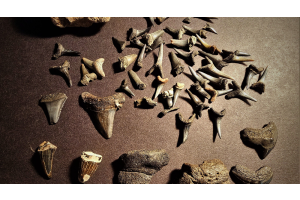
In the world of paleontology and fossil collecting, the allure of owning a genuine piece of prehistory is undeniable. Among the most coveted treasures are the teeth of the legendary Megalodon, the ancient giant of the seas. These fossilized remnants serve as stunning relics of a long-extinct apex predator—and they are in high demand. However, with popularity comes risk, and the rise in fossil trading has also opened the door to replicas, forgeries, and artificial restorations. Understanding the difference between a Megalodon tooth fake vs real is essential for both seasoned collectors and curious newcomers.
At Buried Treasure Fossils, we take immense pride in helping enthusiasts navigate the fascinating world of authentic Megalodon teeth. In this blog, we’ll explore key indicators that can help you verify the authenticity of these prehistoric marvels with confidence.
The Importance of Authenticity in Megalodon Fossil Collecting
Owning a genuine Megalodon tooth isn’t just about aesthetics—it’s about holding millions of years of natural history in your hands. Authentic fossils are valuable not just because of their rarity, but because of the stories they tell. Counterfeit teeth, no matter how convincing, lack the geological, biological, and historical significance that makes a real Megalodon tooth so special.
Examining Surface Texture: Nature’s Signature
One of the first and most telling signs of a real Megalodon tooth lies in its surface texture. Authentic fossils have a timeworn, weathered appearance. Look closely and you’ll notice natural imperfections: small pits, scratches, and subtle irregularities. These features are the result of millions of years of mineralization, environmental pressure, and sedimentation.
In contrast, fake teeth often lack these natural signatures. They may appear overly smooth, shiny, or even waxy due to artificial polishing or synthetic materials. Some replicas are even deliberately aged, but fail to replicate the fine, chaotic details formed by natural processes. Always let your fingers and eyes do the first level of inspection—nature’s craftsmanship is not easy to fake.
Weight and Density: Heft Matters
Authentic Megalodon teeth carry a certain weight, quite literally. Due to fossilization, these teeth are mineral-rich and denser than modern organic material or resin-based replicas. When you hold a real tooth, it should feel solid and heavy relative to its size.
On the other hand, counterfeit or cast teeth may feel noticeably lighter. While weight alone doesn’t confirm authenticity, an unusually light tooth—especially one that looks large—should raise concerns. At Buried Treasure Fossils, we frequently handle authentic specimens, and we can tell you that weight is a dependable secondary cue.
The Root and Blade: An Anatomical Clue
Next, focus your attention on the root and blade of the tooth—areas rich in information. Authentic Megalodon teeth display well-defined roots with natural anatomical features like nutrient foramina—tiny holes where blood vessels once passed—and root lobes. These are not just biological structures but crucial identifiers of authenticity.
The blade itself, the sharp and imposing part of the tooth, often showcases serrations—those saw-like edges that were perfect for slicing through prey. While some older teeth may exhibit wear, especially near the tip, well-preserved serrations are a hallmark of genuine Megalodon fossils. In fake or reproduced versions, the serrations may be absent, blunt, or unnaturally uniform.
Fossilization Clues: The Telltale Signs of Time
Real Megalodon teeth bear the unmistakable marks of fossilization. Over time, organic material in the tooth is replaced by minerals, resulting in unique coloration, texture, and hardness. You may notice color variations that reflect the sediment and minerals present in the original burial environment. Browns, blacks, grays, and even blues can all be naturally occurring fossil colors.
Look closely for mineral deposits—calcite is a common one—and subtle layering in the enamel. The base of the tooth may even contain remnants of matrix, the surrounding sediment in which it was buried. These signs aren’t just beautiful—they are a geologic fingerprint of authenticity.
Expert Opinion: When in Doubt, Ask
Even with a trained eye, determining the authenticity of a Megalodon tooth can sometimes be tricky. That’s why consulting with trusted experts is so important. At Buried Treasure Fossils, we’ve been handling authentic fossils for decades, and we’re happy to help collectors make informed decisions.
If you're ever uncertain about a specimen, reach out to experienced fossil dealers or paleontology professionals who specialize in Megalodon fossils. A second opinion can save you from making a costly mistake and help you better appreciate the unique story behind each tooth.
The Value of Knowing the Difference
Understanding the differences between a Megalodon tooth fake vs real not only protects you as a buyer but also deepens your appreciation for these ancient relics. Every genuine Megalodon tooth has a story etched into its surface—a story of deep-sea dominance, extinction, and the slow passage of geological time. Fakes may fool the eye, but they lack the depth, mystery, and authenticity of the real thing.
At Buried Treasure Fossils, our mission is to connect fossil enthusiasts with specimens that are 100% authentic and geologically fascinating. We believe in empowering our community with the knowledge needed to become confident collectors—because the more you know, the richer your fossil journey becomes.
Final Thoughts
The excitement of adding a Megalodon tooth to your collection should be matched by the confidence that it’s the real deal. By examining texture, weight, anatomical features, and fossilization patterns—and by seeking expert advice when needed—you can navigate the fossil market with assurance.
Whether you’re a seasoned collector or just starting out, Buried Treasure Fossils is here to guide and support your fossil journey. Let’s preserve the wonder of prehistoric life—one genuine fossil at a time.
Ready to explore our collection of authentic Megalodon teeth? Visit Buried Treasure Fossils and discover your next prehistoric treasure!
Disclaimer: This blog is intended for informational purposes only. It does not encourage or endorse any unethical or illegal practices related to fossil collection. Please always adhere to local laws and regulations and practice environmental responsibility.