

Many buyers enter the world of fossil hunting without a clear understanding of value. They search online, compare prices, and hope to land a good deal. But hope does not protect you from overpaying. When it comes to Megalodon teeth in Indonesia, the market operates according to specific guidelines. These teeth hold their own story, shaped by time, geology, and scarcity. You must understand those details before you commit. This guide clears the noise. You will learn what to watch, what to ask, and how to buy with complete confidence and zero confusion.
Understand What Megalodon Teeth in Indonesia Really Offer
Many buyers treat all Megalodon teeth the same. That creates the biggest mistake. Indonesian fossils carry different stories. The soil, the rivers, and the hands that recover these fossils all contribute to shaping the end product. A tooth from Indonesia often keeps its color better and shows unique signs of mineral contact. If you see a listing that says “Megalodon tooth” with no location, you must ask. Does the seller know where it came from? Did they document the dig? Can they explain what makes that fossil worth the price? Never pay without those answers.
Learn Why Indonesian Teeth Stand Apart
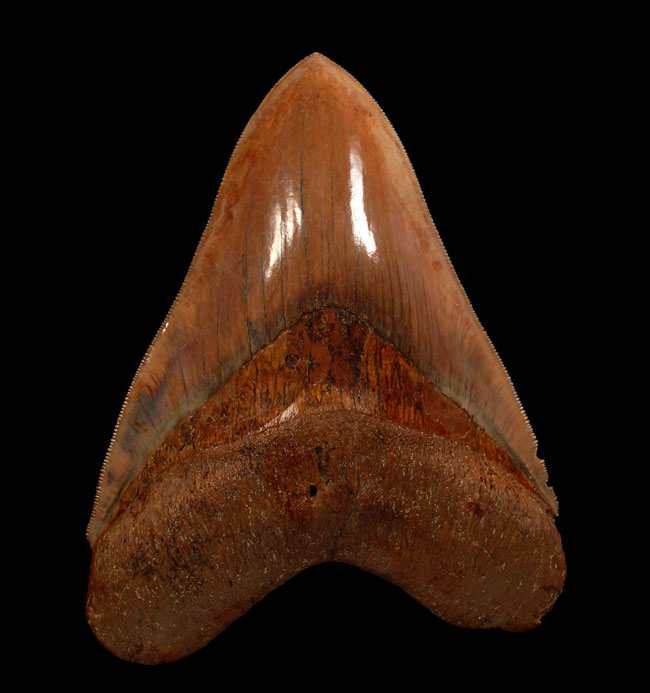
Indonesia offers a unique environment that gives its fossils distinct qualities. Rivers and sediments preserve teeth in mineral-rich layers. Collectors often find them with striking natural colors, deep browns, blacks, or even golden tones. That color reflects fundamental geological differences. Teeth from this region typically exhibit strong roots, fine serrations, and a natural texture. You cannot find the same features in teeth from Peru or Morocco. Each Indonesian tooth tells its own story. Suppose you understand the land and the preservation process. In that case, you will understand why these fossils appeal to both experienced and novice collectors.
Size Speaks Louder Than Labels
Size plays a significant role in determining your payment. Larger teeth do not appear in every dig. For every batch of small finds, miners may uncover only one tooth that is over four inches long. That makes big teeth rarer and more valuable. A 2.5-inch tooth might cost $150, while a 4.5-inch tooth with strong details can cost $900. That jump may feel steep, but rarity drives it. You must check actual measurements, not vague estimates. Never trust listings that avoid inch-specific sizes. Ask for precise data. If you want value, start with knowing how size affects real cost.
Read Color as Clues to Authenticity
Indonesian soil creates colors that feel unique to this region. The longer a tooth stays buried, the more it absorbs natural minerals. These minerals bring out rich tones and deep contrasts. Buyers often prefer dark, earthy colors that reflect the actual age and preservation of the item. However, not every seller plays fair—some polish fossils to enhance shine and conceal flaws. Polished teeth may look smooth, but they lose natural texture and character. You must choose real over shiny. Look for variations in color, natural grain, and precise layering. Let the tooth’s surface tell the real story.
Let Serrations and Enamel Guide You
A sharp edge on a Megalodon tooth tells you more than its bite history. It reveals how well the tooth survived. Teeth with full serrations often come from careful recovery efforts. If you see sharp, even notches along the edge, that tooth likely escaped damage. Now look at the enamel. Good enamel holds texture, depth, and coverage. Teeth with chipped or peeling enamel lose value quickly. Buyers who are aware of this do not settle for smooth edges or dull finishes. You should aim for teeth that preserve their shape, color, and edge. That is what sets real value apart.
Always Inspect the Root
The root may not shine, but it tells you everything about structure and preservation. A whole root means the fossil remained in place, protected by soil, water, and the passage of time. Many Megalodon teeth in Indonesia carry strong, complete roots that reflect those conditions. When examining a fossil, look for symmetry, cracks, or worn edges. A damaged or missing root lowers both value and visual appeal. Serious collectors inspect the root with the same focus as the blade. You should, too. If the root holds up under scrutiny, you can trust the rest of the tooth more easily.
Know the Market Beyond the Tooth
Indonesia does not take fossil fuel exports lightly. Sellers must follow strict rules and pass legal checks before fossils are allowed to leave the country. That makes legal teeth more limited. Fewer pieces on the market mean higher value for authentic ones. If a seller offers large quantities at low prices, you should question the authenticity of the source. Buyers deserve transparency. Ask where the seller obtained the fossil and whether they can provide proof of its origin. Select sellers who are familiar with the region and comply with the rules. That respect translates into real fossils with real value and lasting trust.
Get a Realistic Sense of Pricing
You don’t need to guess when it comes to pricing. The market gives clear signals. Teeth in the 2.5 to 3-inch range with light wear often sell between $150 and $250. Well-kept teeth between 3 and 3.5 inches may bring in $275 to $400. Once you reach 4 inches, the value rises fast. Teeth with full features and no damage often get $500 or more. Larger fossils with intact serrations and natural finish can reach or pass $1000. Each price reflects size, preservation, color, and legality. Know the mix. Then you will easily recognize fair offers.
Spot and Avoid Red Flags
You do not need experience to recognize trouble signs. Start with photos. If the images appear too perfect or repeat across listings, the seller may not be showing you the actual tooth. Second, look for precise measurements. Any honest seller uses calipers and shows the exact length and width. Vague descriptions raise concern. Third, ask about the source. If the seller avoids the question or offers general answers, you should walk away. Every fossil should be accompanied by clear photos, detailed size information, and proof of its origin. These three details protect your money and your peace of mind.
Shop With Knowledge and Confidence
Savvy buyers never guess. They learn, ask, and compare. Sellers respect informed customers. They answer questions, show real photos, and clearly explain pricing. You do not need to chase deals. You need to chase facts. Each fossil you buy should feel like a piece of history, not just a product. When you know what drives the price, you can skip the pressure and enjoy the process. Ask the right questions, inspect the details, and trust your own judgment. That is how real collectors build lasting collections and make every piece count.
Final Thoughts
When you explore Megalodon teeth in Indonesia, you step into a world shaped by nature, history, and human effort. These fossils hold more than shape and color. They carry value backed by rarity and condition. Sellers who respect that offer real specimens with clarity and care. Buyers who understand that ask better questions and make stronger choices. Let the market guide you, but let your knowledge lead the way. When you follow what you have learned here, you will not just buy a tooth. You will invest in a real piece of the earth’s past.
Footnote
Indonesia produces Megalodon fossils with distinct color, strong preservation, and legal value. When you know how to assess each trait, you shop smarter and protect your investment.






