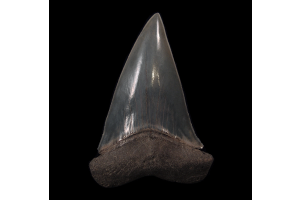
Megalodon teeth tell a story much older than any written history. These fossils provide people with the opportunity to hold a genuine piece of prehistoric life. When buyers search for Megalodon teeth from Georgia, they need more than availability. They need proof. The real goal involves understanding where the tooth originated and verifying if the story behind it is accurate. Not every listing offers that honesty. If you want to buy a real tooth from Georgia, focus on what makes it traceable, natural, and worth your trust.
Georgia’s Natural Conditions Help Preserve Authentic Fossils
Georgia offers excellent locations for finding Megalodon teeth. Its rivers and sediment-rich environments keep fossils in good condition. Many buyers look to Georgia because they know the land and water systems help preserve these relics. When rivers shift and carry gravel downstream, they often transport fossils along with it. This natural process makes it easier to find real teeth that haven’t been subjected to artificial handling. You can rely on Georgia’s natural layout to keep producing genuine Megalodon fossils worth adding to your collection.
Top Areas in Georgia Known for Producing Meg Teeth
Buyers often hear about a few specific areas in Georgia that consistently deliver good results. The Savannah River attracts attention because divers regularly find real Meg teeth in its gravel. These teeth exhibit signs of age, wear, and movement due to the mineral-rich waters. The region near Brunswick also provides collectors with access to smaller fossils that exhibit excellent preservation. Nearby creeks often carry fossil-rich sediment from deeper layers. Collectors keep a close eye on these places for a reason. They produce teeth that clearly belong to the Georgia fossil map.
Visual Traits That Help Identify a Georgia Meg Tooth
You can spot a Georgia Meg tooth if you know what to look for. Many come in darker shades, from deep brown to almost black. The color comes from minerals in Georgia’s soil and water. Most also show a polished surface from years spent in rivers. Some might have natural enamel wear. That tells you the tooth is aged in real time, not in a lab or workshop. Each fossil has unique traits, but Georgia examples follow a visual pattern you can learn to recognize with time and attention.
Smart Buyers Ask Questions to Confirm Tooth Origin
You hold the power to verify a tooth’s origin. Do not rely only on what the seller says. Ask clear questions. Where exactly did the fossil come from? Which river or site produced it? Did the seller collect it themselves or buy it from someone else? Good sellers welcome these questions. They understand the buyer’s need for accuracy. If you notice hesitation or unclear answers, trust your gut. A real Georgia Meg tooth should come with a real backstory. That gives you confidence in your purchase.
How Smart Buyers Approach Fossil Shopping With Clarity?
Before you click buy, take a few extra minutes. Look beyond the photos. Read the words. Ask the questions. Train your eyes. You do not need to rush. You want a genuine fossil, not a guess or a gamble. Megalodon teeth from Georgia give you a solid place to start. But only if you take the time to learn what makes them real. Buyers who value origin over impulse protect their investment. They also gain deeper satisfaction in what they collect.
Photo Clues Reveal More Than Listings Ever Will
Before you buy, examine the photos of the tooth closely. You want to see signs of mineral buildup and natural polish. These signs help confirm its time spent in Georgia’s rivers. Watch for artificial gloss or coatings. Some sellers apply polish to hide damage or restoration. That doesn’t reflect natural aging. Also, check the enamel. A real tooth may have chips or smooth wear, not a perfectly finished edge. Compare what you see with photos of confirmed Georgia specimens. That side-by-side view tells you more than any listing description.
Why Buyers Prefer Georgia for Fossil Value and Story
Location plays a significant role in determining the value of a Megalodon tooth. Buyers know that teeth from Georgia come with better traceability. The state’s fossil-rich zones continue to produce reliable finds. Collectors seek pieces that convey a compelling narrative and a clear provenance. A Georgia Meg tooth meets that demand. When you know where your fossil came from and what shaped it, you own more than a fossil. You hold a piece of natural history with a real connection to place and process. That adds meaning.
Red Flags That Buyers Should Never Ignore
You may encounter listings that use ‘Georgia’ in the title without any supporting evidence. Some sellers do that to attract attention. Read the complete listing. Check for a location reference. If you see vague terms or no location at all, take a pause. Look for unnatural shine or an overly perfect condition. That might signal restoration or coating. If the price seems too low for the size and quality displayed, request more information. Real Georgia fossils usually carry a fair price. A significant gap should raise concern.
Steps Buyers Can Take to Ensure an Authentic Purchase
You can take smart steps before making a purchase. Start by learning from verified examples. Study real Georgia Meg teeth and learn about the features that repeat. Texture, shape, and surface clues all contribute to the overall impression. Compare listings from different sellers. Ask for photos taken in regular light. That shows the actual color and condition. Avoid relying on studio lighting or filtered images. Sellers who know the value of their fossils will explain how they got them. They will answer questions with clear facts and show pride in their sourcing.
Georgia Fossils Build Lasting Trust and Repeat Buyers
Once buyers hold a real Georgia Meg tooth, many come back for more. The fossil offers more than size or sharpness. It provides a traceable path. You know where it came from and what natural forces shaped it. That makes the fossil feel complete. You own something with depth, not just in age but in context. Real collectors recognize the long-term value of this clarity. They build collections on trust and story. Georgia continues to earn that trust through what its rivers and soil give up.
Final Thoughts
Georgia remains a strong choice for buyers of Megalodon fossils. Its land and waters continue to offer authentic specimens. Buyers who focus on details stand a better chance of finding something real. When searching for Megalodon teeth from Georgia, you should look beyond flashy listings. Skip vague descriptions. Choose teeth that carry signs of age, polish, and location. Ask sellers to be honest and provide proof of their claims. That makes the difference. Collect with care, not pressure—study before you make a purchase. Let your instincts guide you. That’s how the most discerning buyers build genuine collections with lasting significance.
Footnote
Most Georgia Megalodon teeth show river-worn polish, deep mineral tones, and age-related texture that match the sediment-rich environments they came from.