

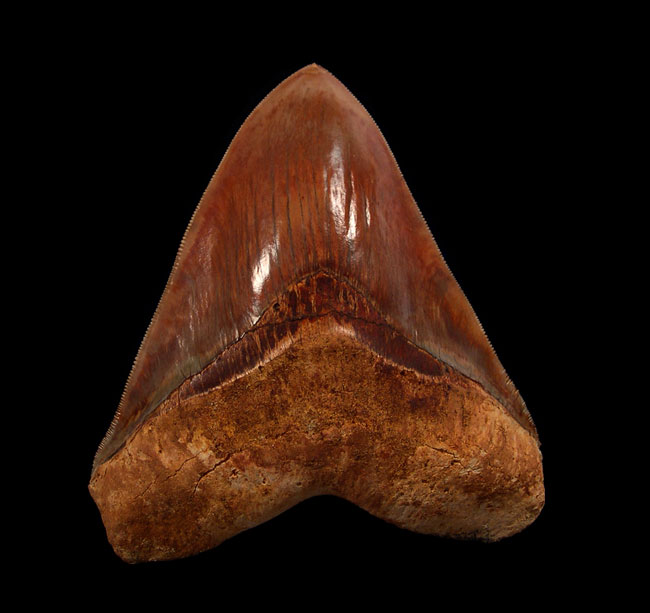
Many collectors face the same question. How can you tell what a megalodon tooth is truly worth? Prices vary wildly. Sellers make bold claims. Some pieces may look impressive, but do they truly hold real value? Let’s break it down. The discovery of the youngest megalodon tooth found gives collectors a precise reference point. This rare find helps you assess the age, rarity, and market value of fossils with greater confidence. You don’t need to guess anymore. When you understand the science behind the find, you can recognize what makes a fossil more than just a pretty object.
Fossil Valuation Often Creates Confusion
Collectors encounter problems when they rely solely on the appearance of a fossil. Size may catch your eye, but bigger doesn’t always mean rarer—the condition of the tooth matters. Enamel chips, root damage, and worn serrations can lower value. Provenance also plays a significant role. A well-documented fossil with a known origin stands on firmer ground than one with no record. Many sellers avoid providing accurate information about the age or origin of their products. They may focus on appearance instead of evidence. That makes it harder to tell what’s genuine and what’s just polished for sale.
The Youngest Meg Tooth Offers Proof and Context
Scientists recently uncovered a megalodon tooth from the Pliocene epoch, roughly 3.6 million years ago. That timing coincides with the species’ extinction. This tooth didn’t just show up at a random dig. Researchers found it within a well-defined geological layer. They used stratigraphy and other dating tools to verify its age. The tooth originated from a site that experts have thoroughly studied. It still holds visible serrations. The root remains intact. This tooth sets a marker. It tells us what late‑stage megalodon teeth looked like and how well they survived.
What This Discovery Teaches About Value?
You don’t need to guess anymore when it comes to value. The youngest megalodon tooth found gives you a benchmark. If a seller claims their tooth dates to the end of the megalodon’s timeline, you can ask for evidence. Does the tooth come from the right sediment layer? Can the seller explain how they dated the find? If not, take that claim lightly. This discovery also highlights the impact of preservation on value. A rare age means little if the tooth looks badly worn. The youngest confirmed specimen exhibits strong features and exemplary conservation, thereby enhancing its collector appeal.
Learn How to Value Fossil Teeth Like a Pro
Start with age. Ask where the fossil came from. Look for specific formation names. General claims do not help. Serious collectors want context. Then check the condition. Examine the root closely. Look at the edges. Check if the serrations still retain their detail. Shiny enamel may look nice, but excessive polishing can hide flaws. One way to build better judgment involves comparing with trusted reference points such as the youngest megalodon tooth found, which came from a clearly documented site with verified dating. Ask the seller for original find photos if they exist. See if experts examined the fossil or wrote about the site. Authenticity grows stronger with proof. Do not rely on sales language. Let facts about age and preservation guide your choice.
Compare What You See to a Real Benchmark
Think of the youngest megalodon tooth as a gold standard. That tooth shows what late-period megalodon teeth can look like when found in stable, well-preserved sites. If you compare another tooth and see weak root structure or heavy erosion, ask questions. The younger the fossil, the more likely it is to show strong physical features. Rarity increases when age and condition align. You may come across a rare megalodon tooth for sale. Still, you need to verify its authenticity to ensure it is genuine. A strong fossil matches the benchmark in multiple ways. Look beyond size and color. Seek substance.
Understand the Role of Documentation
Authentic fossils come with a backstory. That story should include location, formation, and collection details. When you hold a documented fossil, you have a piece of history, not just a showpiece. Sellers who value their inventory will clearly share those details. They won’t hesitate to answer questions. Trust grows when a seller offers complete transparency. You should feel confident that the fossil reflects not only natural beauty but also scientific value. That’s what separates a well-preserved fossil from a vague display piece. Documentation makes that difference easy to spot.
Why Real vs Fake Pricing Matters?
Plenty of fakes exist in the fossil market. Some sellers use casts or composites. Others overprice average fossils by calling them rare. You need to spot red flags. Vague terms like “ancient” or “pristine" have no meaning without context. Sellers who avoid questions about origin or condition usually hide something. When you see pricing that feels too high, ask what supports that number. Compare that tooth to the benchmark from the youngest confirmed specimen. See if it holds up. You don’t need to accept vague claims. You have tools now. Use them.
How Our Verified Fossils Provide Confidence?
We do things differently. We only sell fossils that carry real context. Our listings provide information on the origin of each tooth, its corresponding formation, and the methods used to confirm its authenticity. We work with specimens that match the standards set by well-documented finds, such as the youngest known megalodon tooth. You can study the condition, see the preservation, and understand the story behind each piece. We believe in complete transparency. We offer fossils that support both collector interest and scientific relevance. When you browse our collection, you gain both choice and confidence.
Final Thoughts
The youngest megalodon tooth found doesn’t just represent a final chapter in the life of a species. It also gives you a tool. You can use it to measure quality, confirm claims, and choose with clarity. The fossil world often feels crowded with noise. This discovery clears some of that. You don’t need to wonder what an authentic fossil from the late Pliocene looks like. You’ve seen it. Now compare. Ask smart questions. Expect honest answers. Value comes from facts. Use them to make better decisions, whether you collect for passion or investment.
Footnote
Scientists confirmed the age of the youngest megalodon tooth using stratigraphic evidence and regional geological studies. That context adds critical value to the fossil and helps guide collectors.






