

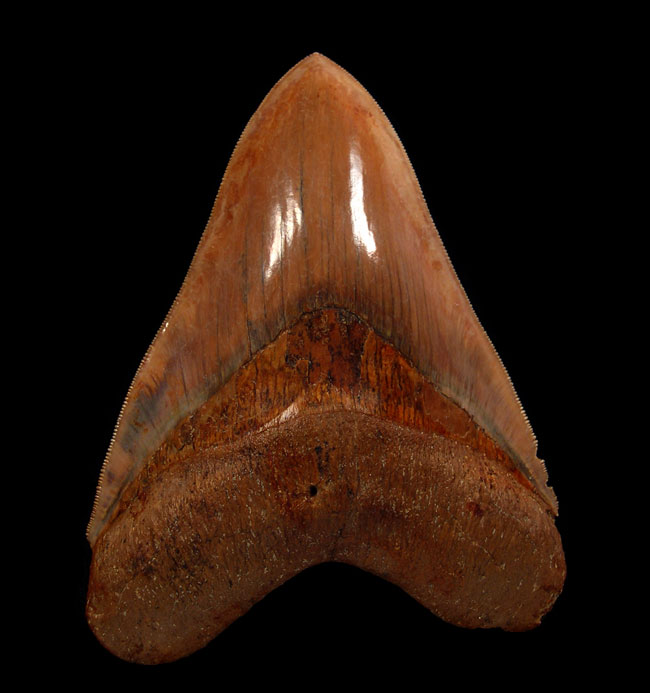
Collectors are often drawn to Megalodon teeth from West Java due to their unique size and color. These river-found fossils spark curiosity and excitement, but many arrive with damage that raises questions. To make an informed decision before purchasing, it’s essential to understand what sets these fossils apart. Before you decide, learn what causes damage and how to evaluate the condition clearly. When you know how a Megalodon tooth in West Java forms and survives, you shop with more confidence and avoid the frustration of receiving something that does not meet your expectations.
Understanding River-Origin Fossils and How They Weaken Over Time
Fossils from West Java rarely remain untouched by nature. Most teeth originate from the movement of rivers and shifting stream beds. The water constantly rolls them against gravel and sand, which creates wear over time. Add heavy rainfall and acidic soil to that mix, and the preservation quality suffers more. These river teeth face years of tumbling and soaking before they are found. Unlike fossils from deep, stable ground, West Java teeth never stay still. That journey shapes how they look and hold up. When you shop, always consider where and how fossils formed in nature.
Tip Erosion Shows How Long the Tooth Moved in Water
Tip erosion is commonly observed on the most worn West Java Megalodon teeth. Water and sediment gradually dull the crown, removing its sharpness. You may notice rounded points instead of natural tips. This happens after prolonged exposure to movement and moisture. Once erosion starts, it never stops on its own. You can recognize this by comparing other listings with sharper tips. Honest sellers will mention this clearly and include close-up photos. A dulled tip might lower the value, especially for collectors who want complete and sharp fossil examples. Please scrutinize this feature.
Root Chipping Often Signals Long-Term Movement and Impact
Root chipping also tells a story about the fossil’s time in the wild. The root has a porous texture that cracks easily when teeth hit rocks underwater. You can spot chipped roots by their uneven edges or missing corners. In some cases, sellers try to hide chips by adding filler. That changes how the tooth looks and feels. Check for areas that look too smooth or glossy. Always ask questions if the root looks too clean or even. A chipped root should cost less than a well-preserved one. Buyers should always inspect the root before making a purchase.
How Environmental Stress Causes Deep and Surface Cracks
Cracks reveal another part of the fossil’s natural timeline. Climate conditions in West Java include hot sun and heavy rain. These sudden changes create pressure inside the tooth, which can eventually lead to cracks forming. Small surface lines may not affect strength, but deeper cracks can lead to breakage. When examining listings, zoom in on the photos and look for long or wide fractures. Ask whether the cracks have been treated or sealed. A seller who answers clearly shows reliability. Cracks do not always ruin a fossil, but they help you decide what you feel comfortable buying.
Enamel Peeling Lowers Fossil Appeal and Collector Value
Enamel peeling causes many buyers to hesitate. The enamel protects the tooth’s surface and gives it that distinct fossil shine. In West Java’s humid climate, enamel often loosens after exposure to the open air. You may see rough patches or peeling layers on one side. This indicates that the tooth was exposed for an extended period of time. You should ask the seller whether the enamel feels stable or if it still lifts. If large areas peel off, the fossil may lose its visual appeal. Enamel loss affects value, especially when it appears uneven or spreads across the crown.
Restoration Can Change Value If Sellers Do Not Disclose It
Restoration often becomes a key point during fossil evaluation. Some sellers use filler or resin to repair broken parts. They do this to restore the tooth to its original appearance. Restoration alone does not make a tooth less interesting, but hidden repairs do. You should never accept a fossil that has visible restoration without full disclosure of the restoration process. Look for color mismatches or texture changes. When you see a root that looks too perfect, ask for more information. Real collectors always want the whole story. Repairs deserve explicit mention, and you deserve clear answers.
The Megalodon Tooth in West Java Offers Beauty and Risk
When you examine a Megalodon tooth in West Java, think beyond color and size. Ask yourself how much damage the fossil might have collected on its journey. Big teeth often show more damage due to their weight and time spent in the river. Smaller ones may arrive in better shape. Compare photos from different sellers and look for signs of wear and tear. Teeth with heavy erosion, chips, or added filler should not cost the same as untouched fossils. Every detail affects value. Do not rely on photo angles or vague descriptions. Learn what to check and take your time.
Photo Clarity Often Reflects the Seller’s Transparency
Sometimes sellers avoid close-up images because they know flaws exist. If you only see distant shots or extreme lighting, ask for better ones. Genuine sellers offer sharp photos that show every part of the tooth. When you request better images, you also show that you know what to expect. Never feel rushed. Avoid listings that skip over root condition, restoration, or cracks. Savvy buyers constantly review photos, read full descriptions, and compare similar options to make informed decisions. You control the purchase. Your decision shapes your fossil collection, so always look closely and choose with care.
Size Does Not Always Equal Quality in Meg Tooth Finds
Many collectors feel tempted to focus on size, but that does not always lead to the best purchase. You may find a large tooth that initially appears impressive. Still, upon closer inspection, you notice multiple cracks, enamel loss, or the need for restoration. Smaller fossils in excellent condition can offer more value over time. A clean surface, solid root, and intact tip give you more satisfaction than size alone. Focus on shape, balance, and overall integrity. When you evaluate each detail, you gain a deeper understanding of the fossil and make more informed choices for your collection.
Use a Simple Checklist to Buy With Clarity and Confidence
To help you shop wisely, use this simple checklist. Ask the seller for detailed, clear photos from every angle. Check the root for cracks, chips, or color changes. Examine the enamel surface for signs of peeling. Inspect the tip and determine whether it feels intact. Ask directly about restoration, and compare the tooth’s shape with those of similar size. Compare the price with other listings of the same condition. Collectors who follow a system avoid costly mistakes. Build that habit, and you will always feel confident when you shop for Meg teeth online.
Smart Buyers Stay Curious and Make Clear Decisions
Buyers who know what to ask and where to look tend to achieve better results. You do not need to rush or rely on luck. When you understand how West Java shapes these fossils, you begin to see beyond size or color. Real value comes from honesty, condition, and your attention to detail—sellers who clearly explain and share full images respect buyers who genuinely care. Always lead with curiosity and ask questions without hesitation. Every fossil has a story. When you scrutinize it, you choose one that feels right for you.
Final Thoughts
You can find a Megalodon tooth in West Java that still offers beauty and value despite some wear. Not every fossil arrives perfect, and that’s part of the appeal. These teeth traveled through time, rivers, and rough soil before reaching your hands. When you apply knowledge and observation, you avoid disappointment and enjoy collecting more. Damage does not need to surprise you. With the proper checks and a clear understanding, you can recognize flaws, avoid overpriced pieces, and add fossils that feel right for your collection.
Footnote
Collectors who study West Java Meg teeth often make better decisions by spotting natural damage and restoration early. Focus on roots, tips, enamel, and ask clear questions before every purchase.






