Page 4 - Blog
- - December 07, 2025
Collectors often wonder why one Megalodon tooth sells for $200 while another demands $2,000. At first glance, they may look similar in photos. But look closer and you will see why the megalodon tooth price can change so dramatically. The truth sits in what each piece reveals about time, preservation, and nature’s patience. Every Meg tooth tells a personal story that affects its value. People who understand that story can make smarter buying choices and appreciate what they hold in their hands far more deeply.
Size and Shape Decide the Real Megalodon Tooth Price
Most people look at size first. A bigger tooth usually catches more attention, but size alone does not define worth. Collectors study proportion and structure before judging price. A six-inch tooth might seem impressive, yet if it appears narrow or uneven, it can cost less than a smaller one with perfect symmetry. Buyers prefer fossils that show balance and full-bodied shape. A well-proportioned five-inch tooth with a clean root
- - December 07, 2025
Collecting megalodon teeth is more than a hobby; it’s a window into Earth’s prehistoric oceans. Each fossil tells the story of an apex predator that ruled the seas millions of years ago. As enthusiasts, we understand the thrill of holding a piece of natural history in your hand. Whether you’re searching for your first specimen or expanding your collection, knowing how to assess authenticity, condition, and value is key. That’s why we’ve created this guide to help collectors make confident, informed decisions when exploring a megalodon tooth for sale.
Understanding Megalodon Teeth: Nature’s Ocean Relics
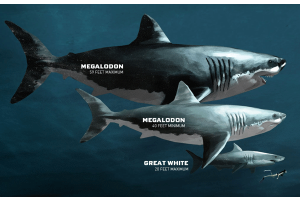
Megalodon teeth are among the most sought-after fossils on the planet. These colossal sharks, which lived approximately 23 to 3.6 million years ago, could reach over 60 feet in length. Their teeth often measure between 3 to 7 inches, though rare specimens can exceed this size.
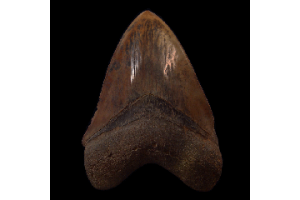
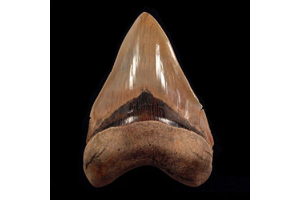
Because of their massive size, triangular shape, and serrated edges, megalodon teeth are instantly recognizable.
- - December 07, 2025
Deep beneath ancient ocean floors lie the fossilized remains of one of history’s most awe-inspiring predators—the Megalodon. While most people recognize this prehistoric shark by its colossal teeth, few realize how scientists determine which specimen is the youngest megalodon tooth found and what stories these ancient fossils tell us about life millions of years ago. Beyond their scientific importance, these fossils also captivate collectors worldwide, many curious about the megalodon tooth price and what makes each piece unique.
Understanding the Megalodon’s Magnificent Legacy
The Megalodon, whose name translates to “big tooth,” ruled Earth’s oceans roughly 23 to 3.6 million years ago during the Miocene and Pliocene epochs. Growing up to 60 feet long, this shark was not only massive in size but also unmatched in strength, with jaws powerful enough to crush whale bones. Fossilized teeth—some reaching more than seven inches long—are the primary remains through which scientists study
- - December 07, 2025
Millions of years ago, the oceans were ruled by a creature so immense and fearsome that its very name sparks awe—Megalodon. This extinct apex predator measured over 50 feet in length, and its teeth, some exceeding 7 inches, were weapons of evolutionary brilliance. Today, these fossilized remnants of marine dominance are more than rare artifacts—they’re treasures of natural history.
If you're someone who finds fascination in Earth's ancient past, the idea of owning a real Megalodon tooth has likely crossed your mind. Yes, you can indeed buy megalodon tooth specimens, and they're often more accessible than one might assume.
Before you dive into the details, let’s explore what makes these fossils so special—and what to look for when considering such a unique purchase.
What Makes a Megalodon Tooth So Special?
Unlike bones, shark teeth fossilize easily due to their dense, mineralized composition. A Megalodon, during its lifetime, would shed thousands of teeth. Some of these made their way
- - December 07, 2025
Megalodon tooth fossils continue to fascinate collectors, marine enthusiasts, and paleontology fans. Known for their size, triangular form, and prehistoric value, they remain highly desirable. But with increased demand comes a rise in replicas, restorations, and altered specimens. We’ve observed how challenging it can be for buyers to distinguish genuine fossils from imitations, especially when purchasing online or at fossil markets. If you're uncertain about how to verify authenticity, learning the key identifiers is essential. This guide will help you confidently assess a megalodon tooth fossil and make informed decisions when building or expanding your collection.
Why It’s Important to Spot the Real Thing
Identifying a genuine megalodon tooth fossil goes beyond simply avoiding a fake. It’s about understanding the history, science, and craftsmanship involved in preserving a piece of natural history. Authentic teeth not only hold financial value but also offer clues about the prehistoric
- - December 07, 2025
Few classroom moments rival the wonder that lights up a student’s face when they hold a piece of history that predates humanity itself. That’s what happens when teachers, homeschoolers, and museum educators introduce their students to authentic fossils—especially real megalodon teeth for sale. These prehistoric marvels are more than captivating artifacts; they’re hands-on gateways into Earth’s deep past, sparking curiosity, critical thinking, and scientific discovery all at once.
At Buried Treasure Fossils, we’ve spent over two decades helping educators and enthusiasts bring the ancient world to life. Our passion for fossils—and the stories they tell—makes learning tangible, unforgettable, and endlessly exciting.
The Power of Learning Through Touch
Children and adults alike learn best when they can touch, hold, and examine real objects. Fossils, especially something as massive as a megalodon tooth, bridge the gap between imagination and reality. When a student runs their fingers across
- - December 07, 2025
The ocean has always kept its secrets well. From the hush of the deep blue to the fossils hidden in ancient sands, every discovery reveals whispers of what once ruled the seas. Among these relics lies something so small yet so astonishing—a baby megalodon tooth. Though miniature compared to the adult’s formidable size, it carries an ancient story of beginnings, evolution, and oceanic dominance.
It’s fascinating to think that even the tiniest fossil fragment can hold echoes of creatures that once swam the waters millions of years ago. This isn’t merely a collector’s find—it’s a window into the prehistoric world.
Tracing the Origin of a Giant
Imagine holding a piece of history between your fingers, one that predates humans by millions of years. A megalodon, often hailed as the largest shark that ever existed, began its life much like any other creature—in miniature form. Its early teeth, more minor yet intricately detailed, hint at the massive predator it would become.
Every ridge, curve,
- - December 07, 2025
At our organization, we have dedicated our efforts to studying and preserving the wonders of the prehistoric ocean, and one of the most fascinating discoveries involves megalodon tooth ledges. These incredible formations reveal much more than fossilized teeth. They help us understand how ancient seas changed over millions of years. Through these ledges, we can see traces of temperature shifts, evolving marine life, and patterns of ocean movement during the Miocene and Pliocene epochs.
Each ledge contains several layers of sediment that were deposited on the ocean floor over vast periods. Within these layers lie teeth, shells, and other remains of marine organisms that lived and died as conditions changed. As sediments continued to build up, older layers were slowly buried by newer ones, creating a geological record that reflects the transformation of marine environments through time.
A Stratified Chronicle of Ocean History
The layered structure of these ledges allows scientists to piece
- - December 07, 2025
Imagine the deep blue stretching endlessly beneath you—a silent world, dark and unknowable. For millions of years, the ocean has kept secrets, and one of its most fascinating is the legend of the ancient giant shark that once ruled its depths: the Carcharocles megalodon. The thought of this colossal predator sparks both awe and curiosity. Could such a creature have truly disappeared forever, or do echoes of its existence still ripple through the waters?
This question has inspired scientists, fossil hunters, and ocean lovers alike to explore what remains of a species that once dominated Earth’s seas. From its jaw-dropping size to its mysterious extinction, the megalodon continues to capture the imagination of anyone drawn to the marvels of prehistoric life.
A Giant Beyond Comparison
If you think modern sharks are impressive, imagine a predator reaching up to sixty feet long—larger than most school buses. The Carcharocles megalodon was not only immense but remarkably efficient, equipped
- - December 07, 2025
It’s hard to imagine a creature so massive that it could bite a whale in half—but millions of years ago, the Megalodon shark ruled Earth’s oceans with unmatched power. Today, holding a 7 inch Megalodon tooth for sale feels like holding a tangible link to that prehistoric world, transforming what was once a weapon of the deep into a priceless tool for education and discovery. These incredible fossils, now available to collectors and educators alike, spark curiosity about marine ecosystems, evolution, and the story of life on Earth.
The Ocean Giant That Once Ruled the Seas
Before it became an iconic fossil, the Megalodon was the apex predator of the Miocene and Pliocene epochs—roughly 23 to 3.6 million years ago. Reaching lengths up to 60 feet, this colossal shark could weigh over 70 tons. Its name, Megalodon, literally means “big tooth,” and for good reason: some teeth exceed seven inches in length.
Each tooth reveals how this shark lived and hunted. With serrated edges and a triangular