

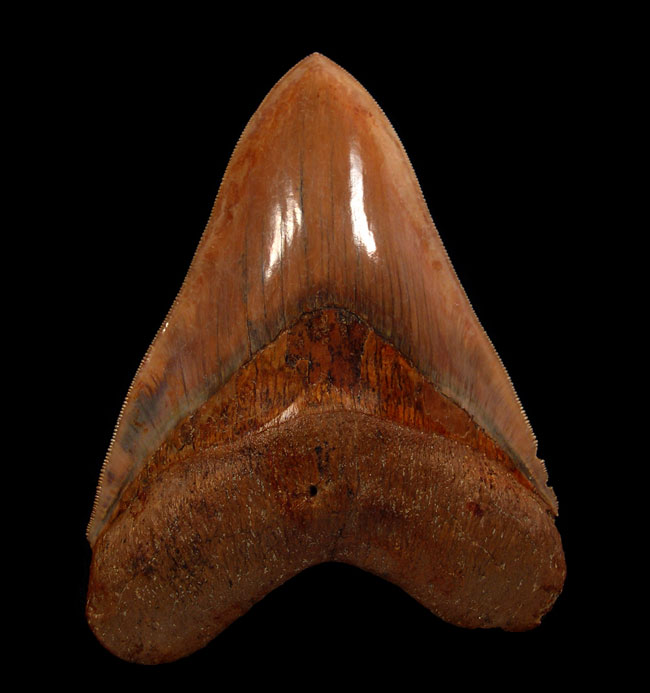
When we hold a fossilized tooth from the largest predatory shark ever known, we feel transported to an ancient ocean world. Our work in sourcing West Java Megalodon tooth specimens allows us to bring that history to life for collectors and researchers across the globe.
These fossils, which we recover from limestone deposits in Indonesia, are preserved with exceptional care and continue to hold answers about Earth’s distant past. By making these authentic finds available, we help safeguard an irreplaceable piece of the world’s fossil record.
The Giant That Ruled the Seas
Megalodon, formally known as Otodus megalodon (previously Carcharocles megalodon), was the largest predatory shark ever to exist. This incredible animal is believed to have reached lengths of up to 60 feet, dominating the oceans with its massive presence and unmatched bite force. Living between 23 and 3.6 million years ago, these sharks thrived during the Miocene and Pliocene epochs. Today, their fossilized teeth remain the most reliable evidence of their existence, allowing us to understand the apex predators of prehistoric oceans better.
The size and strength of this shark have captured the imagination of scientists and fossil collectors alike. Each tooth acts as a miniature archive, preserving details about its size, diet, and behavior. This makes Megalodon teeth a crucial piece of evidence in reconstructing ancient marine ecosystems and understanding how these predators influenced the balance of life in the seas.
West Java’s Fossil Treasure Troves
West Java has long been known for its unique geology. Limestone formations such as the Bentang Formation have helped preserve Megalodon teeth with extraordinary details that remain unmatched by many other fossil localities. The teeth are admired for their wide variety of colors—tan, brown, red, gold, blue, and black. Some fossils even display patterns nicknamed “Tiger eye” or “Fountain design” because of their striking visual appeal.
These distinctive traits have made West Java fossils highly sought after among collectors. Unlike fossils from other areas, which may show heavy wear or dull coloration, the limestone conditions in this region allow the teeth to retain remarkable sharpness and vibrant color variation.
Fossils Frozen in Time
West Java teeth are celebrated for their pristine enamel, which rarely shows cracks. This is because the limestone burial environment shields the teeth during fossilization, producing a glossy finish that enhances their natural beauty. Serrations often remain razor-sharp, and in some cases, extend much farther down the root than those found in fossils from other areas.
This excellent preservation makes each fossil more valuable, not only as a collectible but also as a scientific resource. Enamel condition, root structure, and serration patterns help paleontologists determine how the shark fed and adapted over millions of years.
Teeth That Tell a Story
These fossils date back to the Middle and Late Miocene and extend through the Pliocene epochs, approximately 10 to 4 million years ago. Some could be even older, up to 15 million years. Each West Java Megalodon tooth provides a rare glimpse into Megalodon’s diet, environment, and adaptations at the height of its reign.
By studying these fossils, scientists can piece together information about ancient oceans that no longer exist. They can identify shifts in sea levels, prey populations, and climate patterns that may have influenced Megalodon’s eventual extinction. Every fossil adds to a larger narrative about life in Earth’s oceans millions of years ago.
From the Ground to the Collector
Extracting these fossils is no easy task. Skilled fossil hunters must work with simple tools such as shovels, picks, and hoes to gently free the teeth from hillsides, caves, and stream beds. Because acidic soils often erode the roots and enamel, teeth that remain intact are incredibly rare. Many specimens are discovered with minor chips or fractures that occurred during extraction.
This labor-intensive process adds to the rarity and value of the fossils. Collectors often appreciate the time and effort that goes into uncovering these ancient treasures. Each specimen is genuinely one of a kind, shaped by both natural forces and the careful hands of those who recover it.
Fossils That Command Attention
The scarcity of top-quality teeth means they hold significant value. Teeth measuring over 6 inches are scarce and can sell for more than $4,500. Those around 5½ inches may sell for approximately $995. Collectors who prefer a more budget-friendly option often select commercial-grade specimens. These teeth maintain beautiful colors and sharp serrations, though they might feature minor imperfections.
Prices for commercial-grade fossils typically range from $850 to $1,800, depending on size and condition.
Larger specimens, especially those with flawless enamel and full root structures, are considered exceptional finds. These fossils not only attract collectors but also serve as centerpiece displays that draw attention and inspire curiosity about Earth’s prehistoric past.
A New Fossil Resource
West Java Megalodon teeth became a significant focus in mid‑2020 and quickly gained popularity among fossil enthusiasts. As other fossil sources like Chile and Peru began producing fewer specimens, teeth from West Java became an important alternative. This fresh supply has brought a new level of excitement to the fossil community.
Collectors can choose between Top Quality and Commercial Grade categories, making it easier to find a tooth that suits their budget and preferences. Top-quality specimens often feature vibrant colors, intact serrations, and minimal wear, while commercial-grade fossils offer strong aesthetic appeal with minor flaws at more accessible prices.
Unlocking Ancient Ecosystems
West Java teeth are more than decorative fossils. Scientists study these specimens to understand how Megalodon lived and how marine ecosystems functioned millions of years ago. Each tooth can reveal clues about what the sharks ate, how they grew, and how they migrated across ancient oceans.
Through careful analysis, researchers can also identify differences between fossils from various regions. This helps build a more complete picture of how Megalodon adapted to changing conditions and how its range may have shifted during different geologic periods.
What Makes These Fossils Special
● Color and Patterns: Rich shades that range from browns and reds to blues and blacks, with some teeth showing vivid patterns such as “Tiger eye” or “Fountain design.”
● Serrations That Last: The edges often maintain sharp serrations, which sometimes extend farther down the root than teeth from other areas.
● Durability and Enamel Quality: Glossy enamel with minimal cracks ensures that these fossils remain visually striking over time.
● Geological Certainty: With clear dating of approximately 10 to 4 million years old, these teeth serve as precise indicators of ancient timelines.
The Story That Lives in Every Tooth
West Java Megalodon teeth are more than relics from the past. These fossils preserve the story of a predator that shaped life in ancient oceans. Their enamel colors, geological age, and remarkable preservation make them invaluable for collectors and scientists alike. Whether they are displayed as centerpiece fossils or studied in a lab, each West Java Megalodon tooth continues to reveal details about Earth’s deep history.
The opportunity to hold a fossil that once belonged to such an enormous predator is a reminder of how powerful and mysterious nature can be. Every specimen contributes to our understanding of the planet’s ancient marine ecosystems, leaving us with an enduring connection to the ocean giants that once ruled the seas.






