

We have always been fascinated by Megalodon teeth, and we know collectors share the same excitement. These fossils hold immense historical value and offer a sense of wonder about the prehistoric seas where the mighty Otodus megalodon once ruled. Over the years, popular Megalodon hunting sites like Chile, Peru, Lee Creek, and the Bone Valley mines have slowed down in production, leaving collectors searching for fresh sources.
In May 2020, we were thrilled to introduce top-quality Indonesian Megalodon tooth fossils from West Java, Indonesia. These discoveries have brought renewed excitement as they showcase unique qualities that cannot be found elsewhere.
A Remarkable Discovery from West Java
The Megalodon teeth from West Java are extraordinary fossils unearthed from limestone deposits dating back 10-15 million years during the Middle Miocene period. These fossils, belonging to the extinct Giant White shark, carry traits that make them unforgettable. As traditional fossil sites become less productive, this new discovery has been like a spark of inspiration for collectors looking to add diversity and richness to their collections.
Colors That Capture the Eye
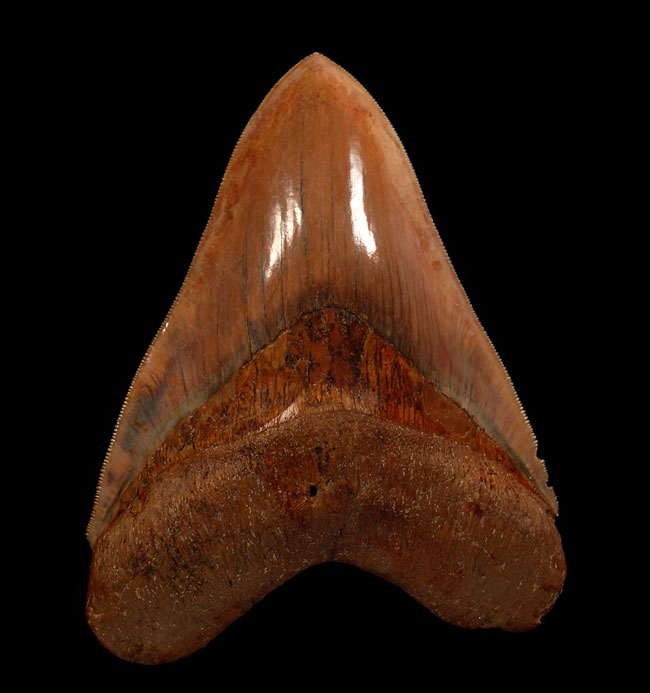
One of the most striking features of the West Java Megalodon teeth is their vibrant and bold color range. These fossils can display tans, golds, reds, browns, blues, and even deep black shades. Often, a single tooth might showcase several colors at once, blending beautifully into distinctive patterns. Some specimens display the well-known "Fountain design," while others feature dispersed colors that give each tooth its own character.
The bourlettes—the triangular sections at the base of the enamel—are equally captivating. They often display patterns like the "Tiger eye," a stunning mix of vertical gold and red lines. These colors and designs are unique to the West Java fossils, making them exceptional additions to any fossil display.
Bourlettes That Tell Their Own Story
West Java Megalodon teeth have bourlettes that tend to be large on both upper and lower jaw specimens. This size, combined with their striking colors and patterns, gives them an aesthetic appeal that sets them apart. Fossils from other regions often show worn or less distinct bourlettes, but the West Java teeth retain a detail and clarity that collectors will genuinely appreciate.
Enamel That Gleams Like Glass
The preservation quality of West Java Megalodon teeth is remarkable. The limestone matrix they were found in helps protect the enamel, allowing it to remain nearly flawless. As a result, these teeth often gleam like glass and show minimal hydration cracks. Their glossy surfaces highlight their vivid colors and intricate patterns, giving them a highly polished appearance.
This level of preservation rivals that of Caribbean Megalodon teeth, which are also known for exceptional enamel quality. Collectors looking for fossils with pristine surfaces will find these Indonesian specimens particularly appealing.
Serrations That Hold Time at Bay
The serrations on these West Java fossils are another standout feature. Many teeth retain near-complete serrations, including the delicate tip serrations that can often be worn away in fossils from other areas.
Another unique trait is how far the serrations extend onto the root. This characteristic is seen in nearly every tooth from West Java, making it easy to recognize their origin. These details add to their value and make them a favorite for collectors who appreciate fine craftsmanship in nature.
A Labor of Love in Excavation
These Megalodon teeth do not come easily. They are hand-dug by dedicated local miners from the hillsides, stream beds, natural cave walls, and other outcrops of the Bentang Formation. This painstaking process involves removing large amounts of limestone to uncover a single tooth, which highlights the rarity of each find.
Because of the challenging excavation conditions, some teeth can be struck by tools during digging, and the acidic soil conditions of the tropical environment can damage the roots. This makes finding a fully intact Indonesian Megalodon tooth a rare and highly valued event. Each piece that emerges intact is truly a treasure.
Impressive Size and Ready-to-Display Appeal
West Java Megalodon teeth can grow impressively large, with some specimens exceeding 5 inches in length. Larger teeth carry a commanding presence and are often paired with a custom stand to make them display-ready. Their combination of size, colors, enamel quality, and sharp serrations makes them fossils that collectors admire and cherish.
Why These Fossils Are So Treasured
The arrival of the West Java Megalodon teeth has added something truly special for fossil enthusiasts. Their vivid colors, intricate patterns, glossy enamel, sharp serrations, and large bourlettes all work together to create fossils of incredible beauty. The effort and rarity behind their excavation only add to their allure.
Collectors who value fossils with unique attributes will appreciate how the West Java specimens bring a fresh dimension to their collections. Each tooth tells a story not only of ancient oceans but also of the dedicated work it took to get it into the light.
Final Thoughts
Megalodon teeth have always held a place of honor in fossil collections, but the discovery of the West Java specimens has given collectors something extraordinary to appreciate. Their colors, preservation, and detailed features make them highly sought after worldwide.
As fossil sites in other parts of the world continue to produce fewer finds, these Indonesian fossils offer a rare opportunity to own a piece of prehistory unlike any other. Whether admired for their aesthetic appeal or their ancient origins, each Indonesian Megalodon tooth captures the imagination and remains a breathtaking reminder of the giant predator that once ruled the seas.






