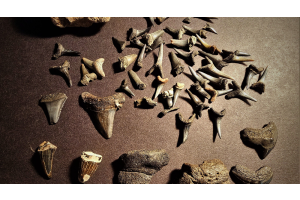
Planning your first fossil hunting trip for megalodon teeth is a mix of excitement, curiosity, and a bit of planning. We know the thrill of finding a megalodon tooth and how unforgettable it feels to hold something that’s millions of years old. But before you jump into the car and head for the nearest beach or riverbed, there are a few things you should know to make your experience successful, safe, and enjoyable.
Let’s break it down into simple steps to help you prepare like a pro.
Start with the Right Mindset
You’re not just picking up random shells on the beach — you're looking for the fossilized teeth of one of the most legendary predators to ever swim the oceans. These fossil hunts can take time, patience, and a sharp eye. Don't expect to walk out with a full collection in your first hour. Instead, focus on learning how to spot the right shapes and colors, how to read the land (or water), and how to enjoy the process.
Know Where to Go
Not every beach or riverbank will lead you to a treasure trove. Certain locations are known hotspots for megalodon fossils. According to fossil experts, four of the most promising areas include:
● South Carolina Rivers – The Cooper and Wando Rivers are especially well-known among fossil hunters. Many people kayak out and sift river sediment to spot fossils.
● Florida’s Venice Beach – Often called the “Shark Tooth Capital of the World,” this beach has produced plenty of megalodon teeth over the years.
● Calvert Cliffs, Maryland – Rich in marine fossils and layered with history, this is a great spot if you enjoy coastal hikes while hunting.
● North Carolina Coast – The rivers and banks here often reveal ancient secrets, especially after storms.
Before heading out, make sure you check any local regulations about fossil hunting. Some locations require permits or restrict access. It's worth doing a little homework.
Gear Up: What to Bring
You don’t need a truckload of gear, but a few essentials will really improve your chances of finding a megalodon tooth and enjoying the hunt comfortably:
● Sifter or shovel: A mesh-bottomed sifter lets you scoop up sediment and rinse out the sand to spot teeth.
● Mesh bags or containers: Store your finds without damaging them.
● Waders or waterproof boots: Especially useful in rivers or muddy areas.
● Gloves: Help protect your hands from sharp rocks or shell fragments.
● Snacks and water: Fossil hunting can take hours. Stay hydrated and energized.
● GPS or map: If you’re venturing into unfamiliar terrain or off the beaten path.
If you’re planning to go into the water, a floating screen sifter attached to a rope can be incredibly helpful.
Learn What to Look For
Fossilized megalodon teeth vary in size, but even the smaller ones are distinct once you know the clues. Most will be black, dark gray, or sometimes brown due to the minerals in the surrounding sediment. Shapes can be triangular, with smooth enamel on one side and a jagged edge on the other.
Keep your eyes open for shiny surfaces in the sunlight or unusual shapes poking out of the sediment. Many experienced hunters say they often find the best fossils just after a storm or when tides have shifted the sand.
When finding a megalodon tooth becomes your goal, it helps to train your eye on how the real ones differ from seashells or pebbles. Looking at fossil photos beforehand is a good idea, and some fossil hunting guides even provide side-by-side comparison images to help beginners.
Time It Right
Tides and weather make a big difference. On beaches, low tide exposes more ground and may reveal fresh fossils after a storm. In rivers, recent rain can shift sediment and uncover previously buried items — but don’t go in right after a heavy rain unless you’re sure the water level and flow are safe.
If you’re heading out early, bring a flashlight or headlamp. Fossil hunting during sunrise or sunset can offer great visibility as the lower angle of sunlight casts longer shadows, making shapes easier to distinguish.
Safety Matters
Fossil hunting is generally a low-risk activity, but you should always play it safe:
● Let someone know where you're going
● Watch out for slippery rocks or strong river currents
● Use sun protection — hats, sunglasses, sunscreen
● Stay within public or legally permitted zones
● Keep an eye on the tide schedule if you’re on the coast
It’s easy to get so focused on the search that you forget your surroundings. Stay aware and take breaks when needed.
Take Care of Your Finds
Once you've scored your first fossil, treat it with care. Rinse it gently with water and let it dry. Avoid harsh chemicals or scrubbing tools, especially if you're unsure of the type of fossil. Some fossils can be fragile, and over-cleaning could reduce their value or damage them.
Many beginners like to label their finds with the location and date, building a personal collection with meaning. Others move into collecting and trading with other enthusiasts. Either way, the first step is making that first discovery.
Bring a Buddy or Join a Group
Hunting with someone adds safety and a bit more fun. You can cover more ground, share tools, and compare finds. If you’re really getting into it, consider joining a local fossil hunting club or online community. Many groups organize guided trips and offer tips on where to look and how to improve your technique.
It’s also a great way to ask questions, get ID help for your finds, and connect with others who share the excitement of the hunt.
Conclusion: Get Out There and Start Exploring
Your first megalodon-tooth hunt might be the beginning of a lifelong passion. With the right tools, timing, and a bit of patience, finding a megalodon tooth can be an unforgettable achievement. And once you’ve felt that thrill, chances are, you’ll want to do it again.
At Buried Treasure Fossils, we love sharing that excitement with fellow fossil enthusiasts. Whether you’re looking to expand your collection or just want to see what others have found, we’ve got a hand-picked selection of real megalodon teeth and other ancient treasures ready for you. Check out our site and let your fossil-hunting journey begin.
Contact us to learn more, ask questions, or get help finding the right megalodon tooth for your collection.