

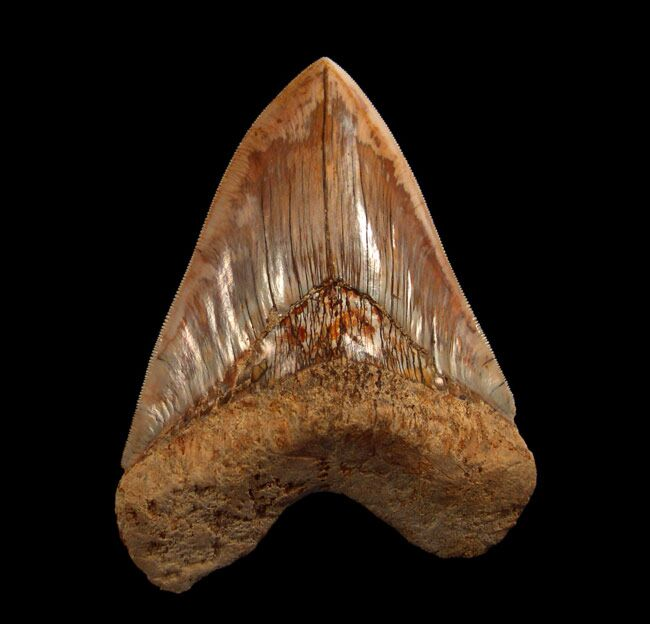
The thrill of finding fossils has fascinated people for centuries, and few treasures excite collectors more than a Megalodon tooth. These fossilized remains of the largest shark to ever swim the oceans hold incredible scientific, historical, and personal value. But with many imitations on the market and so many fossils resembling shark teeth, the big question remains: how can you tell if what you’ve found is a genuine Megalodon tooth?
Before diving into the details, let’s clarify one thing: finding a megalodon tooth in the wild is both possible and rewarding, but identifying it correctly takes knowledge and a careful eye. Whether you’re combing a riverbank, searching coastal cliffs, or joining a fossil-hunting tour, understanding what separates authentic specimens from lookalikes will help you confirm the real deal.
What Makes a Megalodon Tooth So Special?
Megalodon sharks lived between 23 and 3.6 million years ago and could reach lengths of up to 60 feet. Their teeth often measure three to seven inches long, making them far larger than those of modern sharks. These fossils are not only striking in size but also reveal valuable insights about the prehistoric oceans and ecosystems where Megalodon reigned as apex predator.
Collectors prize these fossils because they are both rare and visually impressive. A genuine specimen can become the centerpiece of a fossil collection, a teaching tool, or simply a reminder of Earth’s deep history.
Key Features of a Genuine Megalodon Tooth
Spotting a real Megalodon tooth requires attention to detail. Here are the main signs to look for:
1. Size and Shape
The most obvious feature is size. Megalodon teeth are generally much larger than those of modern sharks. They often appear triangular, with a broad root and a wide, sharp crown. While size alone doesn’t prove authenticity, anything over three inches is worth a closer look.
2. Serrated Edges
A real Megalodon tooth typically has serrations along the edges of the crown. These serrations were used for slicing through prey. Even after millions of years, many fossilized teeth still show these tiny ridges. If the edges are too smooth or appear artificially sharp, it may be a replica.
3. Color Variations
Fossilized Megalodon teeth can be found in a range of colors, including black, gray, brown, and even bluish tones. The color depends on the minerals in the soil or sediment where the tooth was buried. Unlike replicas, which often appear uniform, genuine fossils usually display subtle color differences.
4. Weight and Density
Fossilized teeth are heavier than modern shark teeth because the organic material has been replaced by minerals over millions of years. When you hold one, it should feel dense and solid.
5. Surface Texture
Authentic teeth often show natural imperfections—tiny pits, cracks, or worn edges. These marks are a natural result of fossilization and the environment where the tooth was preserved. If the surface looks too smooth or polished, it could be a modern reproduction.
Common Mistakes in Identifying Megalodon Teeth
Even experienced collectors sometimes mistake other fossils or replicas for Megalodon teeth. Some common pitfalls include:
● Confusing them with modern shark teeth: Great White teeth, for example, share a similar triangular shape but are much smaller.
● Polished replicas: Resin or stone replicas often look too perfect, lacking the natural wear and weight of a fossil.
● Overlooking location: Not every beach or riverbed is a likely site for finding a megalodon tooth. Knowing where they are commonly unearthed greatly improves your chances of confirming authenticity.
Best Places in the U.S. for Megalodon Tooth Hunting
Knowing where to look is half the battle. While Megalodon fossils have been found worldwide, certain U.S. locations are famous for producing authentic specimens.
South Carolina Blackwater Rivers
South Carolina is one of the richest states for shark tooth hunting, especially in blackwater rivers like the Cooper River. Divers often find large specimens buried in the riverbeds. Blackwater diving is not for beginners, but for certified divers; it can be one of the most exciting ways to search for authentic teeth.
Maryland’s Calvert Cliffs State Park
Calvert Cliffs, along the Chesapeake Bay, is a favorite shoreline hunting ground. Fossil hunters comb the beaches after storms or at low tide, where erosion reveals teeth and other fossils in the cliffs and sand.
Aurora, North Carolina
The Aurora Fossil Museum is famous for providing access to fossil-rich sediment from nearby phosphate mines. Visitors often sift through these deposits to find Megalodon teeth and other marine fossils.
Peace River, Florida
Florida’s Peace River is another hotspot for fossil enthusiasts. Shallow riverbeds here yield many authentic shark teeth. Unlike blackwater diving, this location is more accessible to casual collectors who enjoy wading or kayaking while sifting through sediment.
These places are not the only fossil-hunting destinations, but they are excellent starting points for anyone interested in megalodon tooth hunting.
How to Confirm Authenticity After Finding a Tooth
If you think you’ve found a Megalodon tooth, there are a few steps you can take to confirm authenticity:
1. Compare with Reference Photos
Use fossil identification guides or museum displays to compare shape, size, and serrations.
2. Seek Expert Opinion
Fossil shops, museums, or local fossil clubs often have experts who can help confirm whether your find is genuine.
3. Check Provenance
If buying instead of collecting, always ask for documentation or certification. Reputable fossil dealers provide information about where the specimen was found.
Tips for Responsible Megalodon Tooth Hunting
As exciting as fossil hunting can be, it’s important to follow responsible practices:
● Respect local laws and restrictions: Some fossil-rich sites have strict rules to protect resources.
● Use proper equipment: Shovels, sifters, and diving gear may be necessary depending on the location.
● Preserve the fossil: Once found, handle carefully to avoid damaging delicate edges or surfaces.
● Prioritize safety: Whether wading in rivers or diving in blackwater, always put safety first.
Why Genuine Megalodon Teeth Matter
Beyond their appeal as collectibles, real Megalodon teeth serve a greater purpose. They help scientists study prehistoric ecosystems, shark evolution, and even climate changes from millions of years ago. Every genuine fossil is a piece of history, connecting us to a world long gone.
Final Thoughts
So, how do you know if you’ve found a genuine Megalodon tooth? Look for size, serrations, weight, natural imperfections, and most importantly, context. Where you find it matters just as much as what it looks like. For many enthusiasts, finding a megalodon tooth isn’t just about adding to a collection—it’s about connecting with Earth’s history in a tangible way.
If you’re passionate about megalodon tooth hunting, remember to combine patience with knowledge. Whether on the shoreline, in riverbeds, or through reputable fossil sources, genuine Megalodon teeth are out there waiting to be discovered. With the right eye for detail and respect for the process, you’ll know when you’ve truly found one of nature’s most impressive relics.






