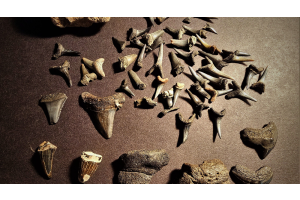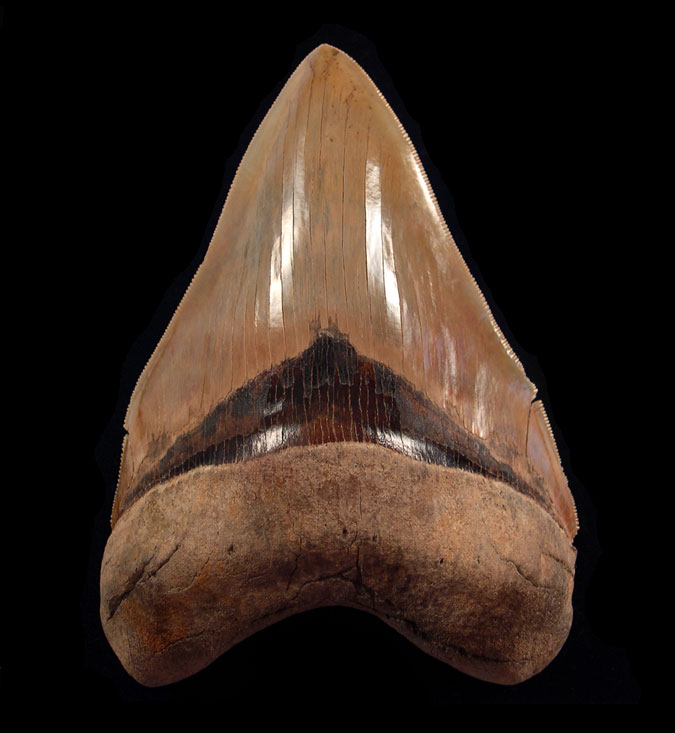
Few fossils inspire as much awe as a big megalodon tooth. These triangular giants, some stretching past six inches, once belonged to one of the largest predators to ever roam the seas. While the megalodon itself vanished millions of years ago, its teeth continue to surface on beaches, riverbeds, and ocean floors around the world. That raises an intriguing question: why do megalodon teeth keep washing ashore long after the species disappeared?
The answer combines geology, ocean dynamics, and the incredible durability of shark teeth. Let’s break down why these fascinating fossils remain part of our modern landscape.
The Longevity of Fossilized Shark Teeth
Sharks, unlike most animals, don’t have bones that fossilize easily. Their skeletons are made of cartilage, which decays quickly after death. Teeth, however, are another story. Megalodon teeth were made of dentin and covered with a strong enamel layer, similar to modern shark teeth. This enamel protects them from erosion and decay, making teeth some of the most common fossils in the world.
Over millions of years, buried teeth can fossilize, absorbing minerals from surrounding sediment. The result is a tooth that becomes harder, heavier, and sometimes changes color depending on the minerals present in the soil or sand. That’s why teeth found in rivers or on beaches can range from jet black to shades of brown, gray, or even bluish hues.
Shifting Seas and Coastal Erosion
One of the main reasons megalodon teeth keep appearing today is the shifting nature of coastlines. Ancient megalodon habitats often overlapped with areas that are now shallow coastal zones or riverbeds. As waves and currents continually erode cliffs, sandbars, and underwater sediment layers, fossilized teeth are released from their ancient resting places.
For example, riverbeds in Florida, South Carolina, and North Carolina are well-known hotspots for fossil shark teeth. Over time, these waterways cut through fossil-bearing layers and expose teeth that were buried for millions of years. Coastal storms, hurricanes, and heavy tides also play a role in uncovering and carrying teeth onto beaches.
Why Megalodon Teeth Are So Large and Noticeable
Unlike modern sharks, which typically grow teeth an inch or two in length, megalodon teeth could exceed seven inches. Their sheer size makes them easier to spot and harder to erode completely. A single big megalodon tooth is durable enough to withstand waves, sand abrasion, and even decades of tumbling around in rivers.
The wide triangular crowns, sharp serrations, and robust roots of these teeth also give them distinctive shapes compared to those of smaller shark species. Fossil hunters often recognize them immediately, even in areas where they are mixed with shells or stones.
Natural “Fossil Traps” That Release Teeth
Certain environments act as fossil traps, where sedimentation and natural processes help preserve teeth until conditions change. For example:
● Riverbanks: Constant erosion exposes new layers of fossil-rich sediment.
● Coastal bluffs: Waves and rain wash away material, releasing teeth embedded in ancient marine deposits.
● Offshore dredging sites: Human activity sometimes unearths fossil layers on the ocean floor, unintentionally releasing teeth that wash up later.
These fossil traps are why the same beaches and rivers often yield teeth year after year, even though the species went extinct millions of years ago.
Why Some Teeth Look “Fresh”
A fascinating detail about megalodon teeth is that some look almost new, with sharp serrations and glossy enamel. This doesn’t mean they’re young—it means they were protected until recently. If a tooth remained buried in clay, silt, or protective sediment, it could stay pristine for millions of years. Once erosion uncovered it, the tooth entered circulation, eventually landing on a beach.
On the other hand, teeth exposed for long periods to currents and sand often show heavy wear. They may lose serrations or develop a polished look. This is why collectors often seek specimens with sharp edges and full roots—they tell a story of long preservation before their recent appearance.
The Role of Ocean Currents
Ocean currents play a surprising role in why megalodon teeth keep resurfacing. Once freed from their fossil beds, these teeth can be transported great distances by waves and tides. Areas like the Gulf Stream or coastal current systems along the Atlantic seaboard move sediments constantly, and with them, fossil teeth.
This means a tooth found on a modern beach may have originated miles offshore or even from another region entirely. It’s a reminder of how dynamic our oceans remain, reshaping and recycling sediments that are millions of years old.
Why Collectors Prize These Fossils
Beyond their scientific value, megalodon teeth are prized by collectors and fossil enthusiasts. Their sheer size, beauty, and rarity in pristine condition make them stand out among fossils. Some collectors even wonder, how much is a megalodon tooth worth?
While the answer depends on factors like size, condition, and color, the appeal of these fossils lies less in price and more in the connection they provide to Earth’s history. Holding a megalodon tooth is like holding a piece of the ancient ocean in your hand—a direct link to the most powerful shark that ever lived.
Scientific Insights From Megalodon Teeth
These teeth are more than just collectibles; they’re key tools for scientists. The structure and wear patterns on megalodon teeth reveal clues about their diet, hunting style, and growth. For instance, the wide serrated edges suggest they could slice through whale bone and large prey. Tooth size also helps estimate the shark’s overall body length, with larger teeth corresponding to individuals possibly exceeding 50 feet.
Because teeth are shed throughout a shark’s life, one megalodon could have produced thousands of teeth over its lifetime. This constant replacement increases the odds of teeth surviving to the present day and explains why so many continue to be found in the fossil record.
Why We Keep Finding Them Today
So, why do these fossils still appear regularly, millions of years later? The reasons are layered:
1. Durability – Megalodon teeth fossilized into rock-like structures that resist decay.
2. Erosion – Coastal and river erosion continues to reveal buried teeth.
3. Ocean movement – Currents transport fossils to shorelines.
4. Abundance – Sharks shed countless teeth during their lifetimes, leaving behind a rich fossil record.
Together, these factors create a constant supply of teeth being reintroduced into our modern world.
The Human Fascination With Megalodon Teeth
Part of the continued excitement comes from the cultural image of the megalodon itself. As the apex predator of its era, this shark inspires awe and imagination. Movies, documentaries, and popular science often highlight the megalodon’s immense size and power, fueling public interest in its teeth.
When someone finds a big megalodon tooth, it feels like unearthing treasure. Whether displayed in a case, studied in a lab, or kept as a keepsake, these teeth carry a weight of history and mystery.
Final Thoughts
The reason megalodon teeth keep washing ashore today is simple yet extraordinary: nature preserves them in ways that defy time. Their size, strength, and abundance make them some of the most enduring fossils on Earth. As erosion, shifting seas, and currents continue to move sediments, more teeth will surface—reminders of a predator that ruled the seas millions of years ago.
For collectors, researchers, and anyone who stumbles across one, these fossils hold a unique place in both science and imagination. The next time you see a big megalodon tooth or ask yourself how much a megalodon tooth is, remember: it’s not just a relic of the past, but a story carried forward by the forces of nature.