Page 58 - Home Page Latest Post
- - October 08, 2025
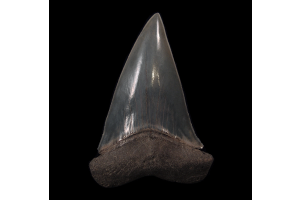
Some discoveries can stir the imagination because they seem to transcend ordinary experience. When we unearth something that once belonged to a creature of prehistory, such as a massive shark that ruled the ancient oceans, the moment becomes more than the finding of an object. It becomes a bridge linking us with lost worlds. The story of when a man finds a tooth of megalodon illustrates how a single fossil can carry both scientific weight and emotional power. But what exactly can elevate a fossil discovery into that rare, unforgettable category known as “once in a lifetime”?
Drawing on the astonishing narrative of a Megalodon tooth, several factors can come together to make a discovery exceptional: rarity, size, condition, location, integrity, and provenance. Each of these dimensions can contribute to how that moment resonates with the finder and the broader community of enthusiasts, scientists, and history lovers.
Rarity: When Even One Specimen Is Exceptional
One of the first reasons
- - October 08, 2025
A Megalodon tooth makes a rare and unforgettable gift. These prehistoric teeth connect the recipient to something ancient and authentic. When you gift one, you offer more than just a fossil. You give a story that stretches back millions of years. But let’s be honest. If you’re shopping without prior knowledge, the process can feel overwhelming. Prices vary wildly. Sellers often use terms that confuse rather than clarify their intentions. If you want to avoid overpaying and still purchase something meaningful, this guide can help. And yes, you can find authentic megalodon teeth for sale without risking your wallet or your confidence.
Choose the Right Size for a Meaningful Gift
Size influences price and presentation. People measure these teeth diagonally, from the tip to the furthest edge of the root. A tooth under three inches usually costs less and often makes an excellent gift for beginners. A three to four-inch tooth has a solid presence and fits well in a small display case. Once you
- - October 08, 2025
Megalodon teeth carry more than a prehistoric mystery. They hold the power to attract collectors and enthusiasts who seek something rare and authentic. When sellers promote a fossil as the youngest Megalodon tooth found, they invite attention. That phrase can influence price, desirability, and even trust. But what does youngest really mean in this context? Collectors need to look beyond the surface. They should explore the fossil’s origin, the sediment surrounding it, and the science behind its dating to understand what makes that label valid or misleading.
Define What ‘Youngest’ Really Means in Paleontology
In paleontology, the youngest refers to the final chapter in a species' timeline. It does not mean juvenile, and it does not suggest a modern fossil. The Megalodon species went extinct about 2.6 million years ago. If a collector wants to confirm that a specimen came from that period, they must examine its geological surroundings. Authentic dating requires more than appearance. It requires
- - October 08, 2025
Collectors often feel drawn to the sheer presence of a megalodon shark tooth. That pull makes sense. These prehistoric fossils offer both size and mystery. First-time buyers typically search with excitement but often lack direction. The market offers a wide range of prices and conditions, but not every tooth deserves attention. Some carry authentic value. Others only look good at first glance. Understanding what makes a specimen worth your time will save you from bad decisions. This guide walks you through the points that help you identify value and avoid common mistakes.
Megalodon Shark Tooth Size Does Not Guarantee Value
First-time buyers usually chase size. A big tooth looks impressive, but large doesn’t always mean better. A smaller tooth with full enamel, a complete bourlette, sharp serrations, and a natural root structure often holds higher value. Size alone cannot replace condition. Good sellers highlight both. Look for listings that mention “no restoration” or “unpolished root.”
- - October 08, 2025
When one thinks of Megalodon teeth, the first images that often come to mind are massive, grayish or brownish fossils with worn edges. But the Indonesian Megalodon teeth from West Java are strikingly different. They glow with vibrant hues of red, blue, gold, tan, black, and more.
As collectors, we often ask what makes them appear so unique, and our work allows us to uncover how geology, chemistry, and environment combine to create these incredible natural relics. By examining the preservation conditions, we can begin to see why these fossils continue to fascinate us.
The Geological Setting: Limes tone, Matrix, and Mineral Preservation
One of the main reasons behind the vivid coloration and fine detail of West Java Megalodon teeth is their burial context. These fossils are found in limestone deposits in West Java, Indonesia. Because they are buried in a limestone matrix, the enamel can remain exceptionally well preserved. The page explains that enamel from this environment is pristine
- - October 08, 2025
In our work, we often see how Florida captivates fossil enthusiasts with its remarkable megalodon discoveries. As we guide collectors and share our services, we know there is always curiosity about where to find megalodon teeth in Florida, and why some places reveal massive, intact teeth while others only provide broken fragments.
This difference is not random. It is shaped by the way erosional exposure, deep burial, and sediment dynamics influence whether a tooth survives whole or ends up reduced to fragments.
When the Earth Unwraps Its Fossil Treasures
Exposed fossil layers can feel like a gift from the earth, yet they often come with drawbacks. Rivers cutting through land, shifting coastlines, and natural uplift can bring megalodon teeth closer to the surface, where they become visible and collectible. However, exposure does not mean preservation. Once a tooth is freed from its protective sediment, it is immediately vulnerable.
Waves grind it against sand, gravel scrapes enamel away,
- - October 08, 2025
Many collectors seek authenticity when they encounter a megalodon tooth. Some feel unsure about their find. Others question their recent purchase. If you worry that your fossil might not be real, take a closer look. You do not need fancy equipment or scientific training to examine the clues. You only need attention to detail, a little patience, and the proper guidance. Follow these clear steps to figure out whether your fossil is an authentic megalodon tooth or a clever replica.
Start with the Texture and Weight of an Authentic Megalodon Tooth
Genuine megalodon teeth exhibit signs of age and natural wear and tear. You can identify these signs if you know what to look for. The enamel often carries subtle surface lines or texture. A polished tooth that seems too clean deserves closer inspection. Natural teeth feel dense and gritty. They carry weight. When you tap one on a hard surface, it gives off a deep sound. Plastic copies sound hollow or weak. Let your fingers and ears help you assess
- - October 07, 2025
Many collectors enter the fossil space with curiosity and genuine interest. But the market often challenges that excitement. Some sellers display perfect-looking fossils that turn out to be replicas or heavily restored pieces. Without clear information, buyers lose confidence and hesitate to make their next purchase. The presence of misleading listings affects not just beginners but also experienced collectors. When someone searches for megalodon teeth for sale, they need more than a product page. They need assurance that what they are buying actually belongs in a collection.
Learn What Sets Authentic Fossils Apart
Real Megalodon teeth display traits that no replica can copy. The surface typically exhibits a natural texture, with colors influenced by the surrounding sediment. Age and mineral contact leave patterns and marks that replicas cannot replicate. Many genuine specimens reveal partial wear or erosion, not because they are damaged but because they hold history. These minor signs
- - October 07, 2025
Many collectors enter the fossil space with curiosity and genuine interest. But the market often challenges that excitement. Some sellers display perfect-looking fossils that turn out to be replicas or heavily restored pieces. Without clear information, buyers lose confidence and hesitate to make their next purchase. The presence of misleading listings affects not just beginners but also experienced collectors. When someone searches for megalodon teeth for sale, they need more than a product page. They need assurance that what they are buying actually belongs in a collection.
Learn What Sets Authentic Fossils Apart
Real Megalodon teeth display traits that no replica can copy. The surface typically exhibits a natural texture, with colors influenced by the surrounding sediment. Age and mineral contact leave patterns and marks that replicas cannot replicate. Many genuine specimens reveal partial wear or erosion, not because they are damaged but because they hold history. These minor signs
- - October 07, 2025
Millions of years ago, the oceans were ruled by a colossal predator whose legend still sparks fascination today. The megalodon, with teeth larger than a human hand, was unlike any shark we know in modern times. Collectors and enthusiasts are drawn to these remnants not only for their size but also for the stories they tell about prehistoric seas. While curiosity often leads people to museums or books, many discover that there is a real megalodon tooth for sale, offering a tangible piece of history that can be held, studied, and admired.
Transitioning from the vast ocean depths of the past to the present day, let’s explore why these fossils continue to captivate people across generations.
A Glimpse Into Prehistoric Oceans
The megalodon lived roughly 23 to 3.6 million years ago during the Miocene and Pliocene epochs. With estimated lengths reaching over 50 feet, this predator dominated the seas, feeding on whales, dolphins, and other marine creatures. The size and durability of their teeth