Page 4 - Home Page Latest Post
- - December 07, 2025
There’s something truly magical about holding a piece of Earth’s ancient history in your hand — a glimpse into a time when colossal predators ruled the seas. Among these incredible relics, Sharktooth Hill Megalodon tooth fossils stand out as extraordinary tools for teaching children about evolution, adaptation, and the dynamic story of life on Earth. At Buried Treasure Fossils, we’re passionate about how these fossils not only capture young imaginations but also offer hands-on lessons in science, geology, and environmental change.
Discovering the Fascinating World of Sharktooth Hill
Nestled north of Bakersfield, California, Sharktooth Hill is one of the richest Miocene-age fossil sites in the world. Around 12 to 15 million years ago, this region was submerged under a vast, warm ocean teeming with marine life — from ancient whales and sea lions to the most feared predator of all, the Megalodon. Today, the Sharktooth Hill Megalodon tooth remains one of the most remarkable remnants from
- - December 07, 2025
Beneath the quiet blue of the ocean lies a world of forgotten stories—some whispered in coral canyons, others frozen in stone. Among the most awe-inspiring remnants of the prehistoric sea are the fossilized teeth of an ancient predator whose name still sends ripples through the scientific community: Otodus megalodon.
This creature may be long gone, but its shadow continues to loom large over marine history. These fossilized fragments don’t speak, yet they reveal volumes about one of the most dominant species ever to swim Earth’s oceans.
Let’s explore how these teeth help us piece together the life of a vanished giant.
A Predator Measured in Feet, Not Inches
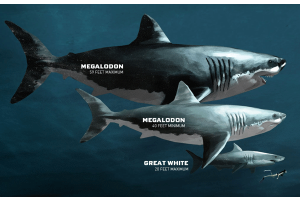
Millions of years ago, a different ruler commanded the seas. With a body stretching up to 60 feet or more, this shark was larger than a school bus and had a bite that could crush a whale’s spine. While its skeleton—made of cartilage—left few traces, its teeth remain as nature’s evidence.
Unlike most shark species today, which boast
- - December 07, 2025
Beneath the ocean’s quiet surface lies a world that once trembled under the shadow of enormous predators. The megalodon, an apex predator that roamed prehistoric seas millions of years ago, continues to fascinate us through the remnants it left behind. Among these remnants, one artifact stands out above all—the world's largest megalodon tooth, a fossilized fragment of a creature so vast that it defies imagination.
This isn’t simply about a tooth; it’s about a window into an era when marine life reached scales that seem unreal today. Every fossil discovered adds a new layer to our understanding, but the tooth found off the Chilean coast redefines what was previously thought possible about the size and scope of this ancient shark.
A Glimpse Into a Prehistoric Ocean
Imagine swimming in the Miocene epoch, around 20 million years ago, when colossal sharks dominated the seas. The megalodon was not merely large—it was monumental, estimated to reach lengths over 50 feet. Its teeth, serrated like
- - December 07, 2025
Have you ever come across a fossil online or at a store and thought, “Is this real?” If you’ve been thinking of buying a megalodon tooth fossil, that question is even more important. With their massive size and prehistoric charm, these shark teeth are some of the most fascinating fossils on the market today.
But here’s the truth: many are not real. So how do you know if the megalodon tooth fossil you’re eyeing is the real thing? In this blog, we’ll walk through easy, practical ways to tell the difference between an authentic fossil and a fake.
Let’s begin by understanding why these fossils are so special and valuable.
Why So Many People Want a Megalodon Tooth?
The megalodon tooth fossil is more than just a collector’s item. It’s a piece of prehistoric history. Megalodons were enormous sharks, believed to grow up to 60 feet long. Their teeth, often larger than a human hand, are the only parts of their bodies that fossilized well.
Owning one means holding a piece of Earth’s past. These
- - December 07, 2025
In our experience with fossil collecting, we have witnessed how certain discoveries capture curiosity more than others. Among them, the megalodon tooth remains one of the most extraordinary finds. These massive, serrated fossils have continued to fascinate collectors around the world.
Through our work, we have seen how some teeth possess a level of rarity and preservation that makes them suitable for auction. Understanding when a tooth deserves such distinction requires exploring the features that define its worth in the fossil market.
The Legacy of the Megalodon Tooth
The megalodon, classified under the genus Otodus megalodon, was once the largest known predator of the ancient oceans. It lived during the Miocene and Pliocene epochs and is believed to have reached lengths of nearly 50 to 60 feet. Because its skeleton was made of cartilage, only the teeth and a few vertebrae have survived as fossils. These teeth, often discovered in marine sediments, stand as powerful reminders of a time
- - December 07, 2025
Few things excite the imagination quite like discovering a link to Earth’s ancient past. Long before kids fall in love with dinosaurs or dream of exploring the ocean depths, there’s often a single spark—a moment that makes prehistory feel real, touchable, and full of wonder. That’s exactly what my first Megalodon can be: a tangible gateway to curiosity, discovery, and a lifelong fascination with fossils.
At Buried Treasure Fossils, we believe every collector, young or old, remembers the thrill of their first fossil. It’s that moment when history sits in the palm of your hand—millions of years old, yet completely yours. Our My First Megalodon collection was created to capture that feeling and turn it into an experience that inspires learning and adventure for years to come.
The Thrill of Holding Prehistoric Power
Imagine handing a child a fossilized tooth from one of the largest predators that ever lived—the mighty Carcharocles megalodon. This prehistoric shark ruled the oceans between
- - December 07, 2025
Collectors and fossil buyers do not look for decorations. They search for authenticity. A real Megalodon tooth stands apart because it holds the raw signature of time. You can feel it in the weight, see it in the enamel, and trace its story through natural wear that no copy can fake. No mold, no paint, and no machine can imitate millions of years beneath the Earth. That is why buying without proof opens the door to disappointment. When you explore genuine megalodon teeth for sale, always focus on proof of origin and condition before you buy. The rise of replicas makes knowledge your best tool. If you want truth in your hands, you must shop with that mindset.
Replicas Hurt More Than Just Value
The problem is not just aesthetics. It is trust. Many sellers post bold claims with no factual background. They offer low-priced fossils that look right in photos but arrive as resin casts. These imitations mislead first-time buyers and frustrate serious collectors. If you invest in fossils without
- - December 07, 2025
At our fossil collection company, we take immense pride in presenting some of the most remarkable pieces of natural history, and among them, megalodon teeth continue to hold a special place. As collectors, researchers, and enthusiasts, we have seen how these extraordinary fossils captivate people worldwide. The fascination lies not only in their enormous size and rarity but also in the incredible history each tooth carries.
Over the years, megalodon teeth have become more than collectible fossils; they are tangible connections to one of the ocean’s most dominant predators and a symbol of prehistoric power and beauty. Understanding the value of megalodon tooth adds depth to this fascination, as it reflects both the rarity and historical significance of these ancient relics.
A Window into Prehistoric Power
Megalodon teeth provide a direct connection to an ancient world dominated by a giant shark that once ruled the seas. These fossils are physical reminders of a species that inspired awe
- - December 07, 2025
Understanding a creature as colossal and mysterious as the Megalodon requires more than just awe. It calls for science, evidence, and careful examination of what remains. While we can’t walk alongside this ancient shark or observe it in the wild, we can learn a great deal from what it left behind. By analyzing the megalodon shark skeleton, scientists have pieced together fascinating insights into this apex predator’s size, diet, and dominance in prehistoric oceans.
As enthusiasts ourselves, we’re drawn to the mystery surrounding the Megalodon. Through examining pieces of its skeletal legacy, especially teeth and vertebrae, we can begin to see how truly dominant this shark once was.
Why Bones Alone Aren’t Enough
The first thing to know is that sharks, including Megalodon, don’t have traditional bones like mammals or reptiles. Their skeletons are made of cartilage, a tough yet flexible tissue that decomposes quickly after death. This means that most of what we know about Megalodon comes
- - December 07, 2025
Few fossils excite collectors as much as the Aurora Megalodon tooth. These ancient shark teeth are not just remnants of the past, they are windows into a time when the oceans were ruled by one of the most powerful predators in history. The fascination comes not only from their size and beauty but also from their rarity and the scientific story they carry. But what makes the Aurora Megalodon tooth truly special?
The Origins of the Aurora Megalodon Tooth
The journey of every Aurora Megalodon tooth begins in Aurora, North Carolina, at the Lee Creek phosphate mine. Fossils from this site date back millions of years, from the Miocene and Pliocene periods. The unique geological conditions at Lee Creek helped preserve the teeth in remarkable detail, keeping sharp edges and roots intact.
Since the mine closed in 2008, no new specimens have been discovered, making every Aurora Megalodon tooth rare. Collectors prize these teeth not just for their physical appearance but also for the story