Page 122 - Home Page Latest Post
- - August 19, 2025
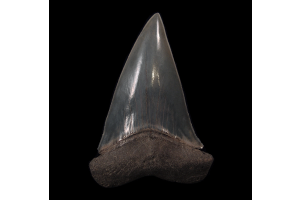
You know the kind of person who’d have a mammoth tusk on their mantel if they could? The curator-at-heart, the storyteller in cargo pants, the collector who’s always one artifact away from a personal museum? If that’s you—or someone you’re shopping for—then we need to talk about a prehistoric centerpiece that practically roars with history. Not just a fossil, not quite a novelty. We’re talking about a megalodon tooth replica. And once it’s in your space, your décor’s going to need a name tag, because it just turned into a conversation starter.
Let’s explore why this ancient bite-sized marvel (well, maybe palm-sized is more like it) can make your home or office feel a little more legendary.
Megalodon Magic in the Modern World
Every space has its story. Some tell tales of IKEA on a budget. Others? They whisper of deep-sea giants and lost epochs. That’s where a megalodon tooth replica flexes its fossilized flair.
Replicas aren’t just stand-ins for the real thing. Done right, they capture
- - August 19, 2025
There’s something surreal about holding a piece of prehistory in your hand—especially when that piece once belonged to a predator that dwarfed great whites and reigned over oceans long before humans so much as painted on cave walls.
It isn’t just a tooth. It’s a monument to a world that no longer exists. It stuns people into silence. They lean closer, instinctively. Their faces shift from curiosity to disbelief, then awe. That’s the power of an actual megalodon tooth—raw, ancient, and deeply humbling. When you see one in person, you really see it; something changes within you.
Let’s talk about why.
It’s Not a Fossil. It’s a Time Capsule.
You don’t need to be a paleontologist to appreciate the concept of deep time. You just need to look at something that was once embedded in the jaw of a 60-foot apex predator and realize—it’s older than the continents as we know them.
When you come across an actual megalodon tooth, it isn’t just big. It’s colossal. Some stretch past 6 or 7 inches, heavy
- - August 19, 2025
The ancient oceans once rumbled with the presence of a beast so massive, so powerful, that it could crush whales in a single bite. This predator was the Megalodon—an apex hunter that reigned supreme for millions of years. Today, all that remains of this legendary shark are fossilized teeth, each one a relic of prehistoric power. Among these, one specimen stands out for both its beauty and scientific value: the Aurora Megalodon tooth from the famed Lee Creek mine in North Carolina.
So, what secrets does this particular tooth still hold? Let’s take a closer look.
A Tooth from a Monster: How Big Was Megalodon, Really?
Megalodon (Otodus or Carcharocles megalodon) was no ordinary shark—it was a super predator. Estimates place its length at a staggering 60 feet, nearly three times the size of a great white shark. Its teeth were equally intimidating—massive, triangular, and fully serrated, measuring over 7 inches in some cases.
With a bite force estimated at up to 180,000 newtons, Megalodon could
- - August 19, 2025
Imagine the sun warming your shoulders, the sand shifting beneath your feet, and the waves quietly whispering stories from millennia past. Then, just as you're about to head home, your eye catches something unusual—triangular, serrated, and darkly beautiful. It’s not just any rock. It might just be the fossilized tooth of the ocean’s greatest predator: the Megalodon.
Fossil hunting may sound like the work of scientists and paleontologists, but every year, ordinary people stumble across remnants of ancient giants. Among the most coveted? The North Carolina Megalodon tooth is a relic from one of the largest and most fearsome sharks to have ever roamed the seas.
What Was the Megalodon, Really?
The Megalodon, officially known as Carcharocles megalodon, was a massive prehistoric shark that ruled the oceans between 20 and 3 million years ago. With an estimated length of up to 60 feet and jaws powerful enough to bite through a small car, this predator dominated marine ecosystems during the Miocene
- - August 19, 2025
For millions of years, Otodus megalodon ruled Earth’s oceans as one of the most formidable predators to have ever lived. Its teeth, some stretching over seven inches long, are fossilized remnants of this apex marine giant—and among the most prized by fossil collectors. But not all Megalodon teeth are the same. Some of the most captivating specimens are those with a deep, jet-black hue. These Black Megalodon tooth fossils are not only visually striking but may also hold crucial information about our planet’s prehistoric upheavals.
Let’s dive into what makes these teeth black, where they’re found, and how they might reveal clues about ancient Earth-shaking events—from oceanic anoxia to mass extinctions and major geological transformations.
Why Are Some Megalodon Teeth Black?
Fossilization is a chemical conversion between buried organic matter and the sediment around it. The black coloration in Megalodon teeth doesn’t come from the shark itself but from the surrounding sediment in which
- - August 19, 2025
Sharks have ruled the seas for over 400 million years, evolving into a wide variety of species with extraordinary adaptations. Among them, none have captivated the imagination quite like Otodus megalodon—the massive, extinct shark often depicted as a 60-foot predator of the deep. But when it comes to understanding this apex predator’s evolutionary history, one site, in particular, might hold more answers than most: Bone Valley in Florida. The Megalodon tooth from Bone Valley specimens unearthed there could represent more than just fossilized remnants—they may provide vital clues bridging gaps in the shark evolutionary timeline.
A Fossil Hunter's Paradise: What Makes Bone Valley Special?
Located in Central Florida, Bone Valley is one of the most prolific fossil sites in North America. This region, primarily in Polk County, was once covered by shallow seas during the Miocene epoch, about 10 to 15 million years ago. Over time, the accumulation of marine sediment preserved countless
- - August 19, 2025
Imagine holding a seven-inch fossil in your hand—jagged, serrated, and unmistakably ancient. It’s not just any relic; it once belonged to the mighty Megalodon, the most formidable marine predator in Earth’s history. These teeth, fossilized over millions of years, are prized by collectors, paleontologists, and curious enthusiasts around the world. But when it comes to a fossil with this much power, history, and allure, you may be wondering—how much does a Megalodon tooth cost?
Let’s dive into the fascinating world of Megalodon teeth and understand why these prehistoric relics are so highly valued.
The Legend of the Megalodon
The Megalodon shark lived approximately 23 to 3.6 million years ago, during the Miocene and Pliocene epochs. Growing up to 60 feet in length and weighing up to 75 tons, this apex predator dominated the oceans. To put things into perspective, the largest Great White sharks today max out around 20 feet. Megalodon’s jaw alone could open wide enough to swallow two adult
- - August 19, 2025
Have you ever dreamed of holding a piece of history—something so ancient it predates the dinosaurs? Imagine owning a relic from the greatest predator that ever lived, the Megalodon. These teeth aren’t just fossils; they’re windows into a forgotten world beneath the waves. But as their popularity rises, so does the number of imitations flooding the market. For fossil enthusiasts and collectors, knowing how to spot a fake isn’t just smart—it’s essential.
In this blog, we’ll walk you through the crucial indicators of authenticity so you never fall victim to a fake fossil. Because when you’re investing in something as rare as a Megalodon tooth, you deserve the real deal. It’s time we say it: identifying a megalodon tooth fossil is an art—and we’re here to teach you exactly how to master it.
Understand What You’re Looking For
To begin, familiarize yourself with what a real Megalodon tooth looks and feels like. These prehistoric marvels can grow up to seven inches long and have a triangular
- - August 19, 2025
The oceans have always hidden secrets—tales of ancient monsters that once ruled the deep. But none evoke awe quite like the mighty Megalodon. This prehistoric predator, whose very name means “big tooth,” swam Earth’s waters over 3 million years ago, dwarfing even today’s Great White sharks. Growing up to 60 feet long and weighing over 70 tons, the Megalodon was the uncontested apex predator of its time. Its jaw could deliver an estimated bite force of 180,000 newtons—enough to crush a whale’s skull.
Today, the most tangible remnants of this marine giant are its massive fossilized teeth. Some measuring over 7 inches, these teeth are among the largest ever discovered. Holding one in your hand is like having a piece of Earth’s prehistoric past—an authentic relic of power and time. But how does one acquire such a fossil? And more importantly, where can you find a museum-grade megalodon shark tooth for sale?
Why Megalodon Teeth Fascinate Collectors
There’s more to Megalodon teeth than just
- - August 19, 2025
Imagine possessing a tooth from a creature that dominated the oceans over three million years ago—a remnant of a predator that reached lengths of up to 60 feet. Megalodon teeth serve not only as fossils but also as tangible connections to one of nature’s most incredible animals. For collectors, enthusiasts, or first-time buyers, acquiring a megalodon tooth is an exhilarating experience. However, with excitement comes danger. As the fascination with these fossils increases, so too does the prevalence of counterfeit items in the market.
At first glance, a fake may seem convincing, but subtle cues can separate a genuine fossil from a well-made replica. That’s why we created this guide—to help you buy megalodon tooth fossils with absolute confidence, using our years of hands-on fossil expertise and direct sourcing experience.
Let’s talk specifics. If you’re searching for a big megalodon tooth, know that size alone isn’t everything. You also need to pay attention to weight, serrations, and