
Page 74 - Gary Greaser
- - September 22, 2025
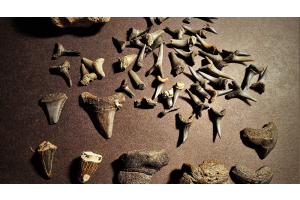
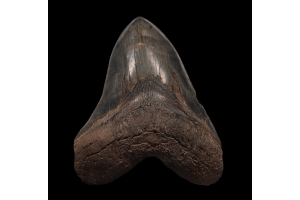
Long before humans walked the earth, massive predators ruled the oceans. Among them, the megalodon reigned as one of the most awe-inspiring creatures. Its teeth, larger than a human hand, remain as the most tangible connection we have to its existence. For collectors and enthusiasts, the desire to buy megalodon tooth specimens is more than a purchase—it’s a way of holding a piece of natural history. These fossils carry a story millions of years old, connecting us to a time when the seas were dominated by a true apex predator.
To understand why these relics hold such significance, let’s examine their unique qualities, the scientific basis behind them, and the value they bring to collectors today.
The Fascination with Prehistoric Sharks
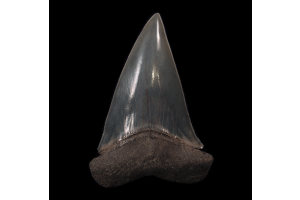
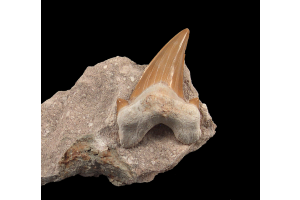
Megalodon teeth are captivating due to their immense size and sharp, triangular shape. Each tooth reveals evidence of a predator capable of taking down whales with ease. Unlike bones, which often decompose over time, shark teeth are preserved due to their
- - September 22, 2025
Imagine holding in your hand a relic from an ancient ocean, a piece of history shaped over millions of years. Fossilized shark teeth carry within them a story of the Earth long before human memory. To collectors and enthusiasts, they’re not simply fragments of the past—they’re treasured connections to the most formidable predator that ever lived. For those intrigued by owning an authentic piece of this history, the opportunity to buy megalodon shark tooth specimens has become a fascinating pursuit.
Transitioning from curiosity to ownership reveals why these fossils have captivated the imagination of so many.
The History Behind the Fossil
Megalodon ruled the oceans approximately 23 to 3.6 million years ago. With a bite force unmatched in the natural world, this giant shark inspired legends that endure even today. Fossilized teeth are often the only remains left behind, but they speak volumes. Their serrated edges, impressive size, and lasting durability provide paleontologists and enthusiasts
- - September 22, 2025
Imagine holding in your hand the fossilized tooth of a shark that once ruled the seas, a creature so immense that its bite could crush bone with ease. Collectors, researchers, and ocean enthusiasts alike are drawn to these remnants of a predator that swam the oceans millions of years ago. If you’ve ever wondered where to buy megalodon teeth, you’re not alone—interest in these fossils continues to grow as people seek a tangible link to prehistoric waters. These teeth are not only natural artifacts but also sparks of curiosity, storytelling, and connection to Earth’s untold past.
Before we journey into their history, rarity, and value, let’s explore how these teeth continue to inspire fascination in modern times.
The Fascination of Megalodon Fossils
Megalodons, estimated to have reached lengths of over 50 feet, dominated the oceans during the Miocene and Pliocene epochs. Their teeth, often several inches long, remain some of the most iconic fossils discovered to date.
Collectors are drawn
- - September 22, 2025
The ocean has always held secrets, and among its most mysterious relics are the massive fossilized remains of a long-lost predator. These relics remind us that the waters we see today were once dominated by creatures larger and more formidable than any shark alive. Scientists, collectors, and curious explorers alike find themselves fascinated not only by their size but also by what they reveal about a vanished era. That is where meg teeth become more than artifacts—they become storytellers of an age we can only imagine.
The journey into understanding these fossils is more than just discovery—it is about appreciating the layers of history that rest beneath the surface of the sea.
The story of a giant predator
Long before modern sharks roamed the oceans, there was one creature that dwarfed them all: the megalodon. This predator is believed to have measured up to sixty feet, hunting with unmatched efficiency. Each fossilized tooth is a trace of its dominance, and its size can be almost surreal.
- - September 22, 2025
The rivers of Florida hold stories far older than written history. Beneath their flowing waters, fragments of the prehistoric world rest quietly, waiting to be uncovered. Fossil hunters, adventurers, and weekend explorers often dream about what lies beneath the sediment and shifting sands. Among these relics, the pursuit of megalodon teeth in the Florida River continues to inspire curiosity, excitement, and patience in equal measure.
Before we go deeper, think of this less as a guide and more as an invitation—an invitation to explore waterways where each dive or sift of sediment could connect you to a creature that swam our oceans millions of years ago.
The allure of prehistoric rivers
Florida’s rivers aren’t only places for fishing and boating—they are living museums. With each bend and slow-moving stretch, they conceal layers of ancient pasts. Fossilized remains of marine animals, early mammals, and the legendary megalodon can be unearthed when the right conditions prevail.
For many,
- - September 22, 2025
You walk along North Myrtle Beach and spot something in the sand. You pick it up and realize it might be a megalodon tooth. That moment feels unreal. You carry history in your hand. A megalodon tooth found in North Myrtle Beach sparks questions many beachcombers never expect to face. But what do you do next? Can you keep it? Can you sell it? You need answers. This guide helps you understand what to do if you find a tooth like that. We focus on clarity. We speak directly. You should walk away with the confidence to make an informed choice.
Understand the Rules Before You Sell
South Carolina allows fossil hunting on public beaches. That includes places like North Myrtle Beach. If you pick up a megalodon tooth while strolling along the shoreline, you likely own it. But selling it works differently. You need to check where you found it. If the tooth came from protected land, state law may block you from selling it. If you saw it on private property, you must have permission to collect anything
- - September 22, 2025
Imagine holding a piece of history that once belonged to one of the largest predators the earth has ever known. The megalodon, a colossal shark that swam the oceans millions of years ago, left behind only one enduring legacy—its fossilized teeth. These relics are more than simple fossils; they are tangible connections to an era of giants. For those who admire history, paleontology, or rare collectibles, the allure of a real megalodon tooth for sale is undeniable. Each tooth is not simply an object but a bridge between ancient seas and modern curiosity.
As we move deeper into this subject, let’s explore why these fossils capture such fascination and how collectors view them as both rare treasures and living reminders of the ocean’s past.
The Story Behind the Megalodon
The megalodon was a shark that dwarfed today’s largest species, reaching lengths estimated at over 50 feet. Its jaws could crush bone, and its sheer size placed it at the top of the prehistoric food chain. Fossilized teeth
- - September 22, 2025
You don’t need luck to find fossils. You need to read the ground. Many diggers rush into sites and miss the signs that lead to valuable finds. Layers in sediment tell the story. If you spot the right clues, you raise your chances of finding complete megalodon teeth. If you skip the signs, you end up pulling broken pieces from dead zones. Let’s break it down. You can learn how to spot true megalodon tooth ledges and avoid wasting time in the wrong places.
Fossil Layers Give You the Clues
Sediment never drops randomly. Water sorts material by weight and flow. Coarse gravel settles first, followed by sand, and then fine clay. Over time, these layers stack and form clear lines in rock and soil. You’ll spot these lines in cut banks, creek walls, and riverbeds. Some layers feel soft. Others feel packed and firm. Fossils settle in the transition zones. When one layer shifts into another, especially near old shell beds, that zone creates the perfect trap. You want to find that shift, not the loose
- - September 22, 2025
The oceans once held creatures that tested the limits of imagination, but few are as awe-inspiring as the massive predator known as the megalodon. For centuries, people have pieced together fragments of this ancient shark’s existence through fossilized teeth and jaw remains. While its exact appearance remains a topic of debate, paleontologists and fossil enthusiasts have long sought to understand its size, habits, and legacy. In exploring these remains, one finds the rare mention of a megalodon shark skeleton, a concept that carries both mystery and intrigue due to the challenges in preserving cartilage.
Before we delve deeper into the fascinating discoveries associated with this legendary shark, it is helpful to understand how fossils have shaped our perception of a predator that could grow longer than a school bus.
Fossils as Windows Into the Past
Most evidence of megalodon comes from its teeth. These triangular relics, often several inches long, are among the most sought-after fossils
- - September 22, 2025
There’s something extraordinary about holding a piece of history in your hand. Fossils invite us to imagine oceans filled with giants, and no creature looms larger in the imagination than the megalodon, an apex predator that once ruled the seas. For many, the journey toward finding megalodon teeth in Florida isn’t simply about collecting an object—it’s about touching a fragment of prehistoric life and connecting with the mysteries of the deep. These fossilized remains spark wonder, curiosity, and a sense of adventure that continues to draw enthusiasts from around the world.
Before delving into the process of discovering these findings, it is helpful to understand the story behind the megalodon and why its teeth have become some of the most sought-after fossils in existence.
The Ancient Giant of the Seas
The megalodon, which lived millions of years ago, was a shark so massive that it makes modern great whites seem small by comparison. With an estimated length of up to sixty feet, it dominated