There’s something extraordinary about holding a piece of history in your hand. Fossils invite us to imagine oceans filled with giants, and no creature looms larger in the imagination than the megalodon, an apex predator that once ruled the seas. For many, the journey toward finding megalodon teeth in Florida isn’t simply about collecting an object—it’s about touching a fragment of prehistoric life and connecting with the mysteries of the deep. These fossilized remains spark wonder, curiosity, and a sense of adventure that continues to draw enthusiasts from around the world.
Before delving into the process of discovering these findings, it is helpful to understand the story behind the megalodon and why its teeth have become some of the most sought-after fossils in existence.
The Ancient Giant of the Seas
The megalodon, which lived millions of years ago, was a shark so massive that it makes modern great whites seem small by comparison. With an estimated length of up to sixty feet, it dominated oceans during the Miocene and Pliocene epochs. Fossil evidence suggests its diet included whales, large fish, and even other sharks.
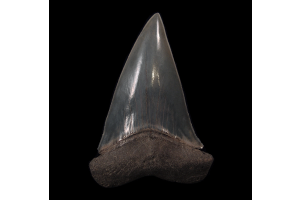
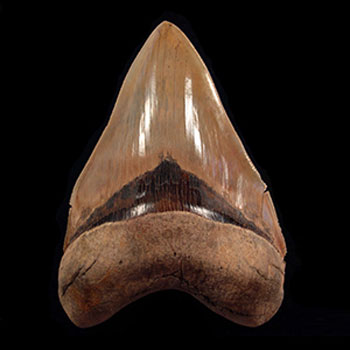
While the skeletons of sharks rarely fossilize due to their cartilage-based structures, their teeth preserve remarkably well. Over time, mineral-rich sediments replace the organic material, transforming them into striking fossils with hues of black, gray, and sometimes even shades of orange or blue. These preserved teeth are among the few clues left behind of this ancient predator’s existence.
Why Florida is a Fossil Hunter’s Paradise
Florida’s unique geology and waterways make it one of the best regions for fossil hunting in the United States. Once submerged beneath warm prehistoric seas, much of the state’s soil contains marine deposits. Rivers, beaches, and sandbars often expose fossils, allowing enthusiasts the opportunity to discover them in accessible environments.
Beyond its rich geological layers, Florida’s slow-moving rivers provide excellent conditions for preservation. Fossil beds rest undisturbed beneath layers of sediment until weather events or shifting currents bring them closer to the surface, ready to be uncovered by careful hands.
Tools and Techniques for Fossil Hunting
While the idea of spotting a megalodon tooth glimmering in the sand sounds romantic, fossil hunting often requires preparation and patience. Standard tools include sifting screens, shovels, and mesh baskets. These allow searchers to filter sediment and uncover items hidden beneath the water’s surface.
Many choose to wade into shallow rivers, using long-handled scoops to reach the fossil-rich layers below. Others dive deeper, equipped with scuba gear to explore submerged gravel beds. Each method has its own appeal—surface hunting can be serene and relaxing, while diving adds an element of adventure and surprise.
Patience is essential. For every tooth discovered, countless pebbles and shells are sifted through. Yet, it’s this sense of anticipation that makes each discovery so rewarding.
The Thrill of Discovery
Imagine gently shaking a screen of river gravel and spotting the sharp triangular edge of a fossil tooth. The thrill is immediate, whether it’s a small fragment or a palm-sized treasure. Every fossil hunter remembers their first find—the way time seems to pause, the sun glinting off ancient enamel, and the realization that they’re holding something last touched millions of years ago.
The size of a find varies greatly. Some megalodon teeth are no larger than a coin, while others can span seven inches in length. Condition also plays a role—perfectly preserved specimens are rarer and especially prized, while weathered or broken teeth still hold value for their historic significance.
Respecting the Environment
Fossil hunting is not only about discovery; it’s also about stewardship. Florida’s rivers and coastlines are ecosystems teeming with life, both above and below the water. Responsible hunters practice care, ensuring they leave minimal impact on the environment.
This includes adhering to local laws and regulations, as fossil hunting in certain areas may require permits to be obtained. It also means respecting private property, being cautious not to disrupt habitats, and prioritizing safety at all times. Fossil hunting can be exciting, but water currents, wildlife, and weather conditions deserve attention and respect.
Stories Shared by Enthusiasts
One of the most enjoyable aspects of fossil hunting is sharing stories with others. Enthusiasts often recount adventures that highlight the sense of community surrounding this hobby. Some recall family trips where children discovered their first small teeth on sandy banks, while others describe diving expeditions that yielded handfuls of fossils in a single afternoon.
For many, these experiences are less about the number of finds and more about the memories created. It’s not unusual for seasoned hunters to give a first-time searcher with a tooth, knowing it might ignite a lifelong fascination.
The Educational Value of Fossils
Beyond their excitement, megalodon teeth offer tremendous educational value. Schools, museums, and personal collections alike use them to teach about evolution, marine ecosystems, and the passage of time. Holding a fossil encourages students and adults alike to think beyond textbooks, visualizing a world vastly different from our own.
The study of these fossils also contributes to scientific understanding. By analyzing the size, wear, and distribution of megalodon teeth, researchers piece together clues about migration patterns, diet, and even the reasons behind the species’ extinction.
Finding Fossils as a Family Activity
For families, fossil hunting can be both educational and a bonding experience. Children are often captivated by the idea of treasure hunting, and the tactile nature of digging, sifting, and discovering appeals to their sense of adventure. Adults, meanwhile, enjoy seeing curiosity spark in younger generations.
Trips to rivers or beaches provide opportunities for fresh air, exploration, and hands-on learning. Many families find that even when they don’t uncover fossils, the experience of searching together creates lasting memories and a greater appreciation for natural history.
Preserving and Displaying Your Finds
Once discovered, fossils deserve care and attention. Gentle cleaning with water and a soft brush helps remove sediment. More delicate techniques may be required for fragile specimens, ensuring their preservation for years to come.
Many collectors proudly display their finds at home, arranging them in cases or on shelves where they spark conversation and admiration. Others choose to donate them to educational institutions or share them with friends and family. However displayed, each tooth carries with it a story of time, effort, and discovery.
The Ongoing Fascination with Prehistoric Giants
Interest in megalodon fossils shows no sign of fading. In fact, modern media and documentaries continue to spark curiosity about these ancient sharks. The allure lies not only in their size but in the sense of mystery surrounding their extinction. Fossils act as tangible reminders of life before humans, an echo of the distant past that fuels imagination and wonder.
Conclusion: A Journey Through Time
The adventure of finding megalodon teeth in Florida is about far more than simply adding to a collection. It’s about engaging with history in a way that feels immediate and personal. Each fossil carries a story that began millions of years ago, waiting patiently in riverbeds and on beaches until it was discovered.
When we hold these ancient treasures, we don’t just admire their size and shape—we connect with a world that once was, and we carry forward a piece of its legacy. If you’ve ever dreamed of experiencing this journey for yourself, there’s no better time than now to step into the water, sift through the sand, and see what secrets might emerge.
Ready to begin your adventure? Start exploring and let the riverbeds surprise you with their hidden stories.