Page 5 - Gary Greaser
- - December 07, 2025
Children are naturally drawn to mystery, adventure, and discovery. Whether they’re digging in the backyard or collecting seashells at the beach, curiosity drives them to ask questions about the world around them. Introducing them to a megalodon tooth fossil can transform that curiosity into a lasting passion for science, history, and exploration. At Buried Treasure Fossils, we’ve seen firsthand how a single fossil can ignite a spark that lasts a lifetime.
A Window into Prehistoric Wonders
For most kids, science becomes fascinating when it feels real—when they can touch, hold, and imagine the story behind an object. That’s where fossils come in. A megalodon tooth fossil isn’t just a relic from millions of years ago; it’s a tangible connection to the Earth’s distant past. This ancient shark tooth, once belonging to the largest predator that ever lived, can inspire young minds to think about evolution, adaptation, and life beneath prehistoric oceans.
Imagine a child holding a tooth larger
- - December 07, 2025
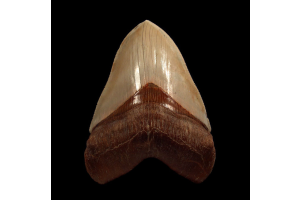
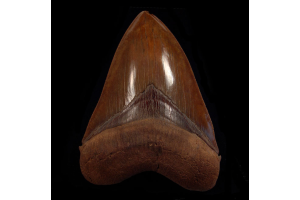
At our fossil collection, we take pride in offering specimens that capture the timeless beauty of Earth’s ancient past. Among them, the Otodus megalodon from Indonesia holds a special place. These remarkable fossils have fascinated us with their exceptional preservation, color, and structure.
Each specimen allows us to glimpse into a prehistoric world where colossal predators once ruled the oceans. Their natural artistry and geological perfection make them among the most captivating fossils we offer.
Geological Origin and Preservation
The story of Indonesian Otodus megalodon teeth begins deep within the limestone formations of West Java. These fossils are often recovered from the Bentang Formation, a geological layer that dates to the Middle Miocene epoch, around 10 to 15 million years ago. Within this limestone, the teeth have remained protected for millions of years, allowing them to retain their detailed structure and natural sheen.
Because these fossils were buried under stable
- - December 07, 2025
Understanding a creature as colossal and mysterious as the Megalodon requires more than just awe. It calls for science, evidence, and careful examination of what remains. While we can’t walk alongside this ancient shark or observe it in the wild, we can learn a great deal from what it left behind. By analyzing the megalodon shark skeleton, scientists have pieced together fascinating insights into this apex predator’s size, diet, and dominance in prehistoric oceans.
As enthusiasts ourselves, we’re drawn to the mystery surrounding the Megalodon. Through examining pieces of its skeletal legacy, especially teeth and vertebrae, we can begin to see how truly dominant this shark once was.
Why Bones Alone Aren’t Enough
The first thing to know is that sharks, including Megalodon, don’t have traditional bones like mammals or reptiles. Their skeletons are made of cartilage, a tough yet flexible tissue that decomposes quickly after death. This means that most of what we know about Megalodon comes
- - December 07, 2025
Fossil discoveries can spark excitement, but few finds excite scientists and collectors like a Megalodon tooth. Recently, Chile became the center of attention with a discovery that could be the world’s biggest Megalodon tooth ever found. This find is not only remarkable for its size but also for what it reveals about one of the oceans’ most powerful prehistoric predators.world’s biggest Megalodon tooth
The Discovery That Shook Paleontology
In Chile’s coastal regions, a team of geologists and paleontologists uncovered a massive fossil. Measuring enormous dimensions, this tooth might be the world’s biggest Megalodon tooth discovered to date. Experts say its size points to the incredible power and scale of the Megalodon.
This find is a bridge to the past, showing us how enormous these predators were. Chile’s unique geological history, with its tectonic shifts and coastal erosion, makes it a hotspot for fossil hunters. Every layer of sediment tells a story, and this discovery adds a dramatic
- - December 07, 2025
Oceans of the past were home to giants, and one of the best ways to understand them is through fossils. A baby megalodon tooth might be small, but it holds big clues about the early life of the largest predator in history. These tiny teeth can reveal how young sharks grew, what they ate, and how they survived in dangerous waters.
By studying a baby megalodon tooth, scientists can piece together the life story of a juvenile megalodon. Each fossil gives insights into ocean ecosystems millions of years ago. Even a small tooth is a window into a world that existed long before humans walked the earth.
Tiny Teeth, Big Clues
Even though a baby megalodon tooth is small, it carries important information. The shape, size, and serrations can tell scientists how young sharks hunted and what kind of prey they preferred.
Juvenile megalodons had to be smart hunters to survive. Studying a baby megalodon tooth helps researchers understand how these sharks avoided larger predators and thrived in a
- - December 07, 2025
Picture yourself on a quiet beach, waves rolling in, the scent of salt in the air. As your foot brushes the edge of a dune, something hard and jagged emerges from the sand. It’s not a shell or a stone—it's large, dark, and triangular. What you’ve found is something much more extraordinary: a fossilized tooth once wielded by a creature larger than a school bus.
A relic like this pulls us into the ancient world of the megalodon—a shark so immense that it continues to captivate fossil hunters, collectors, and scientists alike. Among its remains, few artifacts are as prized as the 8-inch megalodon tooth, a rare glimpse into a prehistoric era where size and strength ruled the seas.
What Made the Megalodon a Giant Among Predators?
The megalodon wasn't merely a big fish—it was an oceanic apex predator that lived roughly 23 to 3.6 million years ago. With an estimated length of over 60 feet, this shark dwarfed most marine life that swam near it. Its teeth, unlike anything found in today's oceans,
- - December 07, 2025
The Otodus megalodon continues to fascinate collectors, researchers, and fossil enthusiasts for its sheer scale and historical significance. When it comes to collecting megalodon teeth, not all sources offer the same quality or characteristics. Among the various fossil sites known for producing megalodon specimens, Sharktooth Hill in California holds a unique reputation. What makes these teeth different? We’ve worked closely with collectors and studied countless specimens, and we know exactly what makes Otodus megalodon - Sharktooth Hill teeth special. Let's walk through the distinctive features that elevate these fossils in the eyes of serious collectors.
Why Sharktooth Hill Is a Fossil Hotspot
Located in the southern part of California’s Central Valley, Sharktooth Hill is part of the Round Mountain Silt formation. This site dates back approximately 15 to 16 million years, to the middle Miocene epoch. Unlike coastal dig sites that have been heavily scavenged, Sharktooth Hill offers inland
- - December 07, 2025
If you're knee-deep in the deep-sea chaos of ARK: Survival Evolved, you're no stranger to rare resources, unpredictable creatures, and the thrill of taming prehistoric legends. But what about something a little… toothier?
Somewhere in the dark waters of the ARK map lurks an apex predator that’s more myth than reality for most players. The Megalodon is more than a marine nightmare—it’s a gateway to one of the more obscure trophies in the game. If you’ve ever scrolled past a mysterious “megalodon tooth ark” item in your inventory or crafting menus, you're not alone in your curiosity. So, what exactly is it, and why does it matter?
Let’s sink our teeth into it.
What Is the Megalodon Tooth Used For?
The Megalodon Tooth is more than a souvenir from your latest aquatic brawl. It’s a trophy item used as a tribute in certain boss fights. In particular, it’s a requirement for summoning the Broodmother Lysrix at the Obelisk, one of ARK’s earliest and most iconic boss encounters.
Each difficulty
- - December 07, 2025
Collectors and fossil buyers want more than a big tooth. They want to own something real, something that carries the weight of time and truth. Teeth from the Otodus megalodon Copper Red Site stand apart for good reason. These fossils do not just offer impressive size or color. They provide natural evidence of a prehistoric predator. Buyers who understand what separates authentic from altered gain more than a rare specimen. They gain confidence in their investment and pride in their collection. Professionals trust their tools, eyes, and field knowledge to identify the real from the rest.
What Makes the Copper Red Color Stand Out
Color is the first visible clue that draws attention to a fossil tooth. Experts who work with Site 25 fossils pay close attention to color depth and texture. An actual Copper Red Megalodon tooth features a natural red to reddish-brown tone. That comes from iron-rich soil where the Tooth fossilized over time. The tone runs through both the enamel and root, not just
- - December 07, 2025
Collectors searching for Otodus megalodon in Indonesia will quickly notice one thing. Fossil shark teeth found across different regions of the country can vary significantly in their appearance and condition. Some display bold natural colors and near-perfect preservation. Others appear more weathered or worn. These variations are not random. They result from geological differences across Indonesian locations, particularly in areas such as West Java. For any collector aiming to make informed choices, understanding how location influences fossil quality helps avoid costly mistakes.
Fossil Traits Shift with Location and Environment
Indonesia’s terrain is characterized by layers of ancient marine sediment that once cradled species like Otodus megalodon. Fossils formed under these layers react differently depending on their surroundings. West Java is notable for its limestone-rich beds, which have cushioned and protected the teeth of its inhabitants for millions of years. In contrast, regions