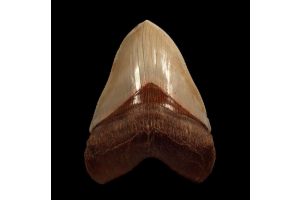
Page 3 - Gary Greaser
- - December 08, 2025
Not all megalodon teeth are created equal. While each one is a relic of Earth’s ancient oceans and a testament to the sheer scale of the Otodus megalodon - So. Carolina, there’s a wide range in their market value, and for good reason. As fossil enthusiasts, we often ask what makes one specimen command a much higher price than another. The answer lies in a combination of factors: size, preservation, color, provenance, and rarity. These are not just prehistoric artifacts; they are collector’s items where every detail matters. So let’s walk through why the value of these teeth varies so dramatically.
The Rarity Factor: Not Every Tooth Survives Time Equally
The megalodon roamed the oceans millions of years ago, leaving behind countless teeth over time. But that doesn’t mean all of them have survived in collectible condition. The conditions needed to preserve a tooth over millennia are specific and rare. When teeth are found whole, with intact enamel, minimal erosion, and no missing serrations,
- - December 08, 2025
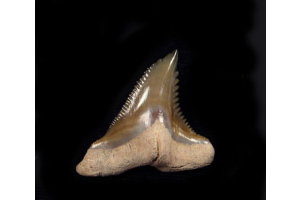
Collectors often notice something puzzling when browsing for shark teeth. Two specimens can come from the same shark species, yet look completely different and carry very different price tags. These variations are especially common with the snaggletooth shark tooth, known for its bold curves and serrated edges. Shape and price do not always follow predictable rules, which can lead to confusion for both new and experienced buyers. This guide explains how visible differences in these fossils directly affect their value, appeal, and placement in any collection.
What Affects the Price of a Snaggletooth Shark Tooth?
The tooth of the snaggletooth shark stands out because of its varied appearance. Some fossils display a broad curve, while others look more vertical and narrow. The curved specimens usually offer more visual interest and often appear more aggressive in form. Others may show cleaner lines or a more symmetrical shape. These visual traits matter to collectors who prefer bold features
- - December 08, 2025
Experienced fossil collectors know that location drives value. When it comes to Megalodon teeth, North Carolina continues to stand out for its rare geological profile, consistent fossil preservation, and distinct coloration. Collectors don’t settle for vague listings or generic origins. They seek fossils with proven context and traceable details. That’s why many start their search for a megalodon tooth in North Carolina. The riverbeds and marine deposits in this region deliver specimens that carry scientific weight and long-term collector value.
Why Do Megalodon Teeth from North Carolina Stand Apart?
Not all Megalodon teeth offer the same traits. The ones sourced from North Carolina show better preservation, more substantial mineralization, and most importantly, traceable recovery. This region produces fossil layers from both the Miocene and Pliocene periods. These include the Pungo River Formation and the Yorktown Formation, both of which are known for their dense fossil beds and rich
- - December 07, 2025
Nature doesn’t always shout its secrets. Sometimes, it whispers them through ancient sediment, buried far below the surface where time has quietly passed. One such whisper rises from a dry stretch of land in central California—a site with layers of history pressed into the soil. Long ago, before mountains rose and deserts formed, this place was submerged beneath a shallow sea teeming with extraordinary marine life.
Somewhere deep within that sea's fossilized remains, collectors might discover something rare and thrilling—the Sharktooth Hill megalodon tooth. This treasure feels both ancient and alive in its presence.
A Land That Was Once an Ocean
Sharktooth Hill, nestled near Bakersfield, is far from the ocean today. But nearly 15 million years ago, it sat at the bottom of the Temblor Sea. This prehistoric body of water spanned what is now California’s Central Valley, and its depths were teeming with sharks, whales, sea lions, rays, and an astonishing array of marine life.
What makes Sharktooth
- - December 07, 2025
It’s hard to imagine a creature so massive that it could bite a whale in half—but millions of years ago, the Megalodon shark ruled Earth’s oceans with unmatched power. Today, holding a 7 inch Megalodon tooth for sale feels like holding a tangible link to that prehistoric world, transforming what was once a weapon of the deep into a priceless tool for education and discovery. These incredible fossils, now available to collectors and educators alike, spark curiosity about marine ecosystems, evolution, and the story of life on Earth.
The Ocean Giant That Once Ruled the Seas
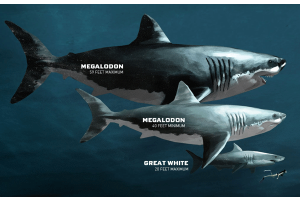
Before it became an iconic fossil, the Megalodon was the apex predator of the Miocene and Pliocene epochs—roughly 23 to 3.6 million years ago. Reaching lengths up to 60 feet, this colossal shark could weigh over 70 tons. Its name, Megalodon, literally means “big tooth,” and for good reason: some teeth exceed seven inches in length.
Each tooth reveals how this shark lived and hunted. With serrated edges and a triangular
- - December 07, 2025
Few classroom moments rival the wonder that lights up a student’s face when they hold a piece of history that predates humanity itself. That’s what happens when teachers, homeschoolers, and museum educators introduce their students to authentic fossils—especially real megalodon teeth for sale. These prehistoric marvels are more than captivating artifacts; they’re hands-on gateways into Earth’s deep past, sparking curiosity, critical thinking, and scientific discovery all at once.
At Buried Treasure Fossils, we’ve spent over two decades helping educators and enthusiasts bring the ancient world to life. Our passion for fossils—and the stories they tell—makes learning tangible, unforgettable, and endlessly exciting.
The Power of Learning Through Touch
Children and adults alike learn best when they can touch, hold, and examine real objects. Fossils, especially something as massive as a megalodon tooth, bridge the gap between imagination and reality. When a student runs their fingers across
- - December 07, 2025
Millions of years ago, the oceans were ruled by a creature so immense and fearsome that its very name sparks awe—Megalodon. This extinct apex predator measured over 50 feet in length, and its teeth, some exceeding 7 inches, were weapons of evolutionary brilliance. Today, these fossilized remnants of marine dominance are more than rare artifacts—they’re treasures of natural history.
If you're someone who finds fascination in Earth's ancient past, the idea of owning a real Megalodon tooth has likely crossed your mind. Yes, you can indeed buy megalodon tooth specimens, and they're often more accessible than one might assume.
Before you dive into the details, let’s explore what makes these fossils so special—and what to look for when considering such a unique purchase.
What Makes a Megalodon Tooth So Special?
Unlike bones, shark teeth fossilize easily due to their dense, mineralized composition. A Megalodon, during its lifetime, would shed thousands of teeth. Some of these made their way
- - December 07, 2025
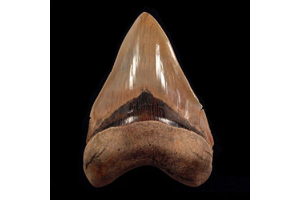
Collectors often wonder why one Megalodon tooth sells for $200 while another demands $2,000. At first glance, they may look similar in photos. But look closer and you will see why the megalodon tooth price can change so dramatically. The truth sits in what each piece reveals about time, preservation, and nature’s patience. Every Meg tooth tells a personal story that affects its value. People who understand that story can make smarter buying choices and appreciate what they hold in their hands far more deeply.
Size and Shape Decide the Real Megalodon Tooth Price
Most people look at size first. A bigger tooth usually catches more attention, but size alone does not define worth. Collectors study proportion and structure before judging price. A six-inch tooth might seem impressive, yet if it appears narrow or uneven, it can cost less than a smaller one with perfect symmetry. Buyers prefer fossils that show balance and full-bodied shape. A well-proportioned five-inch tooth with a clean root
- - December 07, 2025
Collectors never stop asking one key question. Which fossils hold real value today? That question drives curiosity and decision-making for both seasoned collectors and newcomers. The answer always leads to the same place. Some fossils capture history, others hold a story, and a few manage to keep both value and fascination. Among them, Otodus megalodon fossils from Bone Valley stand in a class of their own. These fossils combine authenticity, traceable history, and geological beauty that connect directly to collectors who seek pieces that endure beyond simple display.
Why Bone Valley Draws Collectors’ Eyes?
Bone Valley sits on rich phosphate deposits that preserve marine life from the Miocene era. Over time, these deposits locked away prehistoric remains under layers of minerals that enhanced both color and structure. The result is a fossil bed that yields specimens unlike any other. Collectors recognize Bone Valley fossils because of their mineral depth and rich tonal variation. Each tooth
- - December 07, 2025
At our fossil collection, we take pride in offering specimens that capture the timeless beauty of Earth’s ancient past. Among them, the Otodus megalodon from Indonesia holds a special place. These remarkable fossils have fascinated us with their exceptional preservation, color, and structure.
Each specimen allows us to glimpse into a prehistoric world where colossal predators once ruled the oceans. Their natural artistry and geological perfection make them among the most captivating fossils we offer.
Geological Origin and Preservation
The story of Indonesian Otodus megalodon teeth begins deep within the limestone formations of West Java. These fossils are often recovered from the Bentang Formation, a geological layer that dates to the Middle Miocene epoch, around 10 to 15 million years ago. Within this limestone, the teeth have remained protected for millions of years, allowing them to retain their detailed structure and natural sheen.
Because these fossils were buried under stable