

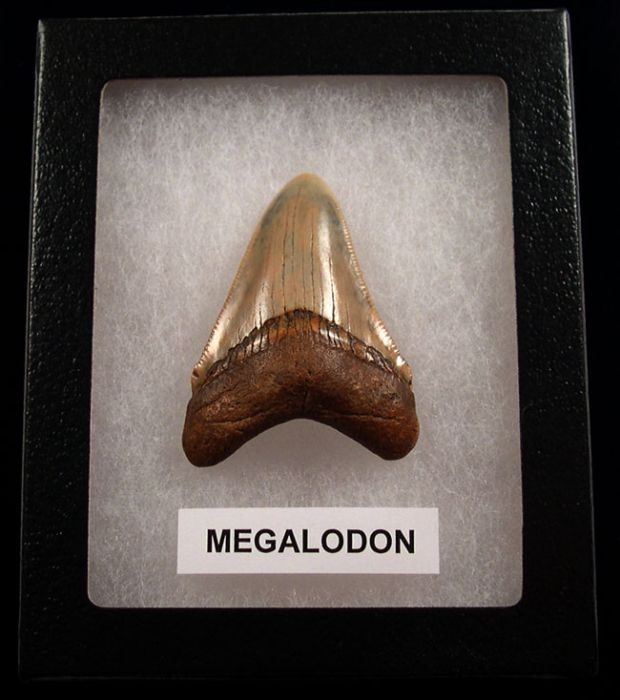
I still remember the day I bought my first Megalodon tooth. I held it in my hands and stared at it for hours. I asked myself the same question repeatedly. What if someone tricked me? The enamel felt rough. The edges looked worn. But I had no clue what it really looked like. I wanted more than a fossil. I wanted confidence in what I owned. That search for certainty shaped everything that followed. Megalodon opened my eyes to the entire world of authentic fossil collecting.
Learning to Recognize the Real Thing
When you first start, you face one big problem. You do not know what it really looks like. You trust the listing. You trust the photo. You hope for the best. That is where many buyers go wrong. The market contains real fossils and perfect fakes. Sellers often do not make the difference clear. Some do not even know. You must learn what it really feels like. No one handed me that knowledge. I picked it up from first Megalodon, one careful glance at a time.
Spotting Natural Clues in Fossils
Authentic Megalodon teeth look imperfect. Nature rarely preserves anything flawlessly. A genuine tooth shows signs of age. You may see cracks in the enamel. You may find discoloration from minerals. You might notice a root with wear or erosion. These details do not weaken the fossil. They prove their journey. Fake teeth often look too perfect. They shine evenly and lack natural variation. They feel too smooth. They miss the texture that real ones carry. That difference matters. I now look for those details with purpose.
Why Replicas Feel Convincing at First?
Replicas often confuse beginners because they come from molds of real teeth. That makes them look convincing. I once compared a replica to a real tooth side by side. The difference stood out immediately. The real tooth felt heavier and colder. The enamel showed more life. It carried a texture that the replica could not copy. My first encounter with a Megalodon helped me develop that instinct. I learned through touch, sight, and experience. That tooth gave me a baseline. Everything I now collect runs through that same internal check.
How Sellers Tell You More Than You Think?
Many sellers offer no real details. They show you a photo and leave out the rest. I now ask every seller where the tooth came from. I ask about the location, the layer, and the condition in which it was found. If they hesitate, I do not buy. A real fossil has a story. A fake one only has a price tag. The first time I saw a seller share the whole history of a tooth, I understood what to value. The more I asked questions, the more I learned to trust my own judgment.
Looking Beyond Size and Shine
Some collectors chase only the perfect shape or the largest size. I take a different path. I care more about truth than polish. Real fossils often break or wear down. That does not make them less valuable. It makes them more real. When I received my first Megalodon, I noticed tiny chips near the edge. I saw minor scratches and dull spots that told a deeper story. I now see those as proof. They do not ruin the tooth. They demonstrate that it thrived in water, sand, and over time. No factory can fake that kind of history.
How I Shop for Fossils Now?
I now slow down when I shop. I never rush. I ask for more photos. I zoom in. I look for the bourlette, the root wear, and the enamel surface. I ask if anyone has restored the tooth. I want truth, not decoration. I walk away from listings that hide too much. I also avoid listings that feel too polished or vague. Real fossils speak with detail. They carry flaws that make sense. The first time I spotted that pattern, I knew I could trust what I saw.
How Community Advice Sharpened My Eye?
Collectors on forums helped me sharpen my eye. I asked them about a tooth. They shared opinions and told me what to watch. They showed examples and explained what made one tooth more real than another. They taught me the value of asking questions. One collector told me:
● Compare multiple fossils whenever you can
● Ask about the origin and any cleaning or restoration work
● Look for discoloration from sediment or mineral presence
● Focus on wear, texture, and the story, not just looks
That stuck with me. I now view collecting as a conversation. I do not chase trophies. I chase stories. I use curiosity as my compass. My first encounter with a megalodon instilled that mindset.
What I Watch For When Buying Online?
Buying online can be confusing even for experienced collectors. Sellers often post the same photo for many listings. I never buy from someone who cannot show me the exact tooth I will receive. I ask for close-ups. I want to see both sides. I want to know if they cleaned or altered anything. When I see vague answers, I stop there. I care more about truth than convenience. The more I trust my process, the more my collection grows in the right direction.
Final Thoughts
I still keep that first tooth in a special place. I look at it and remember what it taught me. It showed me how to slow down. It taught me to question everything. It reminded me that value comes from understanding. Every fossil I now own carries more than weight. It carries lessons. I do not need the biggest tooth. I need the one that tells a story. My first Megalodon helped shape that belief and grounded my approach to collecting. That perspective stuck with me, and I never let go of it.
Footnote
A real Megalodon tooth does not look perfect. It feels earned. Always choose the one that tells you the most about where it came from and how it got to you.






