

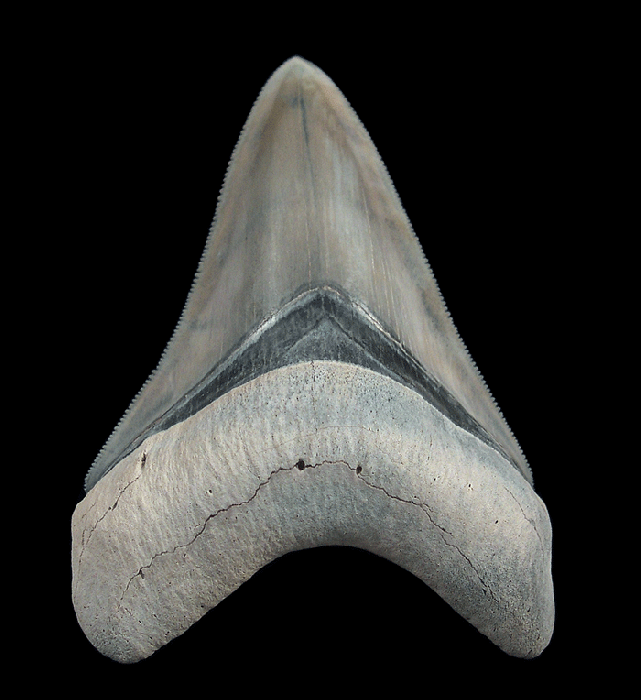
Fake fossils can ruin a collection before it even begins. You may come across a tooth that looks impressive at first glance, but gives you second thoughts the moment you hold it. The enamel feels too polished. The color seems unnatural. The root feels weak. When that happens, doubt creeps in. The fossil market today demands more than visual appeal. It demands evidence. For peace of mind when buying, start with Otodus megalodon in Bone Valley. That region gives you real proof, not just promises.
Why Collectors Choose Otodus megalodon in Bone Valley with Confidence
Bone Valley offers a reputation built on decades of consistent fossil finds. This region gives collectors something they can rely on. Teeth from Bone Valley often reflect nature’s own preservation, not human reconstruction. Collectors who understand the value of origin look to this location because it offers fossils that require no explanation. The phosphate-rich sediment locks in the structure and color of the tooth. That makes every detail part of its proof. Just like the specimen featured on our product page, Bone Valley teeth demonstrate that nature has already done the work for us. You only need to recognize it.
Feel and See What Authentic Looks Like
You know authenticity the moment you touch the enamel. Real teeth from Bone Valley do not feel slick or overly smooth. The surface reflects light in a soft, natural way. The root holds together firmly and shows signs of time, not restoration. These signs matter. Collectors who build serious collections do not look for perfection. They look for evidence of age and integrity. Bone Valley specimens deliver that. You do not need extra polish or filler to believe what you see. The structure speaks clearly to anyone who knows what to look for.
Don’t Rely on Unverified Origins
Many sellers avoid discussing the origin of a tooth. They mention size or show flattering photos but skip essential facts. You should always ask. If a seller cannot tell you the origin or avoids direct answers, you should think twice. You do not need to accuse them. You only need to ask the right questions. If the tooth comes from Bone Valley, the answer should go quickly. The condition, the enamel, and the shape will support that claim. Let the tooth tell you the truth.
Buyers Learn Fast When They Start With Bone Valley
Real collectors do not stay beginners for long. They learn fast because mistakes cost real money. One collector shared a regret. He bought a tooth online that looked perfect in photos. When it arrived, it felt light and had obvious filler along the root. He had no way to verify its origin. That purchase stayed in a drawer and never made it to the display. If he had started with a specimen like Otodus megalodon in Bone Valley, he would have seen and felt the difference right away. That one experience shaped the way he purchased every fossil thereafter.
Use These Markers to Guide Your Purchase
Look closely when you inspect any fossil tooth. Bone Valley specimens share consistent traits:
● Color tones often include cream, tan, or soft gold, not artificial black or deep gray
● Roots appear solid, not patched or textured with filler
● Enamel feels dense and reflects natural light with a matte surface
● Serrations may show wear but remain in the correct alignment
● The overall weight feels right in your hand and not hollow or brittle
These details guide experienced collectors and help newcomers gain clarity faster.
Spotting Fakes Becomes Easier with a Trusted Benchmark
You can use one verified specimen as a benchmark for every other fossil you consider. A genuine Bone Valley tooth teaches you what natural enamel feels like and how authentic root structure should look. You can test future pieces against it. With time, you rely less on seller claims and more on your own judgment. This habit fosters a stronger, more innovative approach to collecting. You stop guessing. You start checking.
Ask Better Questions Before You Buy
Savvy buyers ask specific but straightforward questions:
● Where was this tooth found?
● Has anyone applied chemical treatment or filler to this specimen?
● Can you show the enamel under natural light?
● Does the root show repair, or does it appear original?
● How does this tooth compare to known Bone Valley specimens?
If the answers feel vague or scripted, trust your instincts. When you hear “Bone Valley” and the condition confirms it, you likely found the real deal.
Build a Collection You Can Defend with Confidence
Collections only grow in value when each piece holds its own. A large tooth with no origin means less than a smaller, verified one. Bone Valley fossils give you context and traceability. They allow you to answer questions about your collection without hesitation. Over time, those small details add up to considerable credibility. Your shelf tells a clearer story when every fossil carries real weight, not just visual impact.
Shift from Guesswork to Confidence
Confidence does not come from hope. It comes from knowledge. You don’t need to accept vague listings or hope that your purchase turns out well. Teeth from Bone Valley give you clear proof points. The structure stays intact. The colors align with the region. The wear patterns feel natural. These signs remove doubt. You stop second-guessing your decision and start building your collection with purpose.
Final Thoughts
Most collectors eventually realize that fewer high-quality fossils mean more than a drawer full of questionable ones. Otodus megalodon in Bone Valley gives you that high standard from the beginning. It gives you a reference, a benchmark, and a foundation. Every fossil you add after that reflects your experience. That makes your collection stronger, your choices smarter, and your time more rewarding.
Footnote
Bone Valley preserves Otodus megalodon teeth in phosphate-rich sediment, allowing collectors to confirm age and origin by physical traits rather than speculation or heavy restoration.






