

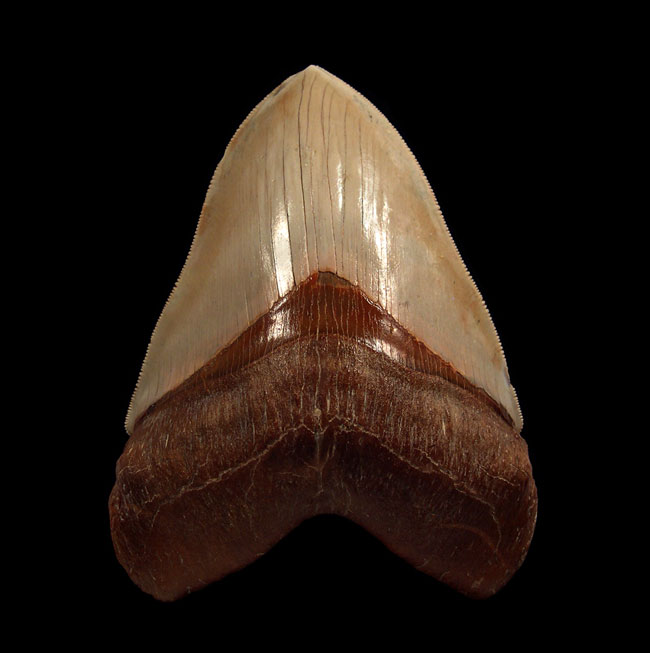
A recent megalodon tooth found in Chile has captured widespread attention from fossil collectors and marine science enthusiasts. Measuring 6.46 inches, this tooth came from the Atacama region near Caldera. The fossil remained completely intact, displaying exceptional preservation. Sharp serrations, a dark bourlette, strong root structure, and natural symmetry set this tooth apart. It offers more than just visual appeal. This find confirms the species’ reach along prehistoric South American coastlines. It contributes new data to ongoing research about the movement and feeding behavior of this extinct predator.
Identifying the Rare Qualities in This Fossil
Most fossil shark teeth do not offer a complete scientific profile. They might appear large but lack precise serrations or show signs of heavy erosion. This tooth from Chile stands out due to its preservation and location. The recovery team unearthed the fossil from Miocene sediments that date back ten million years. That period marks one of the most active phases in the megalodon’s existence. The dry conditions of the Atacama region helped preserve the tooth’s form, making it a valuable piece for both collectors and researchers.
Recognizable Features of a High-Grade Megalodon Tooth
Collectors place high value on structural details, not just size. This specimen provides several markers that define it as top-grade:
● Fully preserved serrations on both cutting edges.
● A thick and unbroken root with a naturally symmetrical crown.
● A clearly visible bourlette at the base of the enamel.
● Smooth enamel with no chips, cracks, or artificial restoration.
Each of these traits helps confirm the tooth’s authenticity and increases its value. A fossil with such features represents a rare and valuable addition to any collection.
Scientific Relevance of the Chilean Location
This tooth confirms that megalodon sharks once hunted in waters near Chile. Its location in the Atacama region aligns with other marine fossil discoveries, including whale bones, ray skeletons, and fish remains. These finds support the view that the area served as a rich feeding ground during the Miocene period. The presence of this megalodon tooth in such a region provides scientists with more insight into the predator’s habitat preferences and the environmental conditions that enabled it to thrive.
Myths and Facts
|
Myths |
Facts |
|
All big fossil teeth belong to megalodon. |
Some come from other extinct shark species. |
|
Size alone determines a fossil’s value. |
Details and origin matter more than size.
|
|
Chile has many top-tier megalodon fossils. |
Only a few reach this level of preservation. |
Documented Excavation Builds Fossil Trust
Collectors now focus on traceability and accurate documentation. In the case of this megalodon tooth found near Caldera, the team recorded the excavation process with notes and photographs. They tracked the layer of sediment where they found it and took care not to apply polish or any artificial enhancements. The arid climate in the Atacama region protected the fossil before its discovery. This documentation provides substantial proof of the tooth’s authenticity and increases its appeal in both collector and academic circles.
Impact of This Fossil on Collector Standards
This discovery helps set new expectations for what collectors can and should look for in rare shark teeth. Many buyers now want more than an attractive display item. They value fossils that combine physical beauty, scientific relevance, and a traceable history. This Chilean megalodon tooth offers all three. Its condition helps define what a premium fossil looks like, while its confirmed origin strengthens its long-term value. These elements make it a key reference for anyone interested in serious fossil collecting.
Influence on the Fossil Market and Education
This discovery continues to influence both collectors and scientists. It establishes stronger guidelines for evaluating other fossil shark teeth and raises awareness about the importance of documentation. Here is how the fossil contributes to the broader community:
● Sets higher expectations for enamel quality and root preservation.
● Expands known megalodon ranges based on fossil evidence.
● Strengthens Chile’s reputation as a site for marine fossil research.
● Offers a study-quality specimen suitable for learning environments.
This fossil teaches as much as it impresses. It links fieldwork to the evolving fossil market and to classrooms that rely on authentic, traceable specimens.
Chile’s Expanding Role in Marine Fossil Studies
The Atacama region now plays a more visible role in the global fossil conversation. This megalodon tooth supports the idea that this part of South America holds untapped potential for primary fossil finds. New interest in the region has already sparked further exploration efforts. Researchers and collectors are now examining Chile’s coastlines and sediment layers more closely. Each discovery reveals more about how marine life evolved and moved through ancient ecosystems.
Clear Takeaways From a Landmark Discovery
This megalodon tooth found in Chile confirms not only the species’ presence in the region but also its evolutionary significance. It presents a complete and authentic fossil, supports scientific study, and raises standards for fossil collectors. Its qualities reflect what experienced buyers value most. The preservation of serrations, enamel, and root, combined with documented recovery, makes this fossil a rare example of how science and collecting intersect. Collectors and readers interested in fossils like this one can explore more updates and insights through our blog. Each find tells a story, and each story sheds new light on knowledge.






