

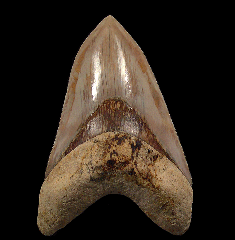
A 6-inch actual megalodon tooth holds more than visual appeal. It gives insight into fossil pricing and reflects what collectors value in today’s market. As fossil demand rises, the size of teeth like these influences how buyers make decisions. A genuine tooth this large not only draws attention but also teaches collectors what sets authentic specimens apart from replicas. Buyers want the real thing. They want clarity, evidence, and a fossil that speaks for itself.
Size Shifts Market Perception
A megalodon tooth that measures 6 inches stands in a category of its own. Most shark teeth in the fossil trade fall below that mark. Larger teeth become symbols of rarity. They appear less often and usually show more complete features. This shift in size attracts more interest from buyers who see it as a milestone in collecting. As a result, pricing reflects that scarcity. The presence of a 6-inch tooth can influence how others in the same collection are viewed.
Core Traits That Increase Fossil Value
Not every large tooth earns a high price. Buyers focus on traits that confirm quality and authenticity. These include:
● A well-shaped blade with balanced sides.
● Sharp and complete serrations.
● A thick and natural root with no restoration.
● Clear surface features from long-term mineral exposure.
● Subtle color changes that reflect the recovery site.
These details build a fossil’s story. They assure buyers that the tooth they hold went through a natural process of preservation. Authenticity becomes evident when these traits emerge naturally, rather than through artificial polishing or shaping.
Preservation Affects Buyer Confidence
A fossil must speak through its surface. Real megalodon teeth carry mineral streaks, hairline cracks, and subtle pitting. These characteristics form during fossilization and signal natural aging. Replicas often look smooth or overly shiny. They miss the layered detail and weight of the real item. A well-preserved tooth offers confidence to both new and experienced collectors.
Experienced buyers also consider origin. Certain regions produce fossils with specific color tones and enamel textures. For instance, riverbed teeth often develop darker shades from the surrounding sediment. The natural environment shapes the appearance of each specimen. Buyers familiar with these regional traits usually use them to verify authenticity and place value.
Recognition Through Physical Characteristics
Real fossils behave differently from synthetic models. A genuine tooth feels heavier, denser, and cooler in the hand. Its edges carry small chips, its root may show uneven growth, and the enamel surface resists artificial gloss. These physical traits become more pronounced in a 6-inch specimen due to its larger surface area. Buyers can study these signs and use them to compare with smaller examples.
When Authenticity Becomes the Deciding Factor
Many new buyers enter the fossil market unsure of what makes a tooth authentic. Once they compare a real specimen with a cast or synthetic copy, the difference becomes clear. A 6-inch actual megalodon tooth brings that contrast into focus. It gives new buyers a reference point. From there, they begin to understand what matters: texture, weight, origin, and preservation.
Buyers value ownership that feels informed. They seek confidence in what they display, whether for education or personal interest. Real fossils offer that clarity. When collectors know they are holding a genuine megalodon tooth, they gain more than an object. They gain a connection to deep natural history.
Understanding Collector Behavior
Buyers want more than appearance. They expect details, history, and confirmation. In recent months, collectors placed stronger emphasis on documentation. Fossils that include condition descriptions and origin information gain trust. This trust translates to stronger demand. A 6-inch tooth with a complete record often attracts faster decisions and higher offers. Clear descriptions build a better experience for the buyer.
As fossil enthusiast Miles Tanner shared in 2024, “A 6-inch megalodon tooth no longer just sells itself. Buyers ask deeper questions about how it was found, cleaned, and stored. They want full transparency.”
Market Trends That Influence Fossil Pricing
Size no longer stands alone. Buyers view it in relation to condition, preservation, and provenance. When a 6-inch tooth enters the market, it becomes a benchmark. Collectors use it to compare other specimens. That one fossil can shape how others are priced. The ripple effect begins when serious buyers recognize its value. From there, pricing across the board adjusts to meet the raised standard.
Tooth Features That Signal Investment Potential
Not all 6-inch teeth reach the same pricing tier. Buyers still examine critical features to judge value. They often prioritize specimens that:
● Maintain clear and complete edge serrations.
● Show no visible repair or modern filler.
● Include a natural, unpolished enamel layer.
● Display root bulk with minimal erosion.
These features support long-term interest. They also position the tooth as a centerpiece in any private or educational collection. Serious buyers treat these fossils as historical artifacts, not just collectibles.
Confidence Through Detail and Transparency
We focus on presenting fossils with clear information. Size and appearance matter, but so does the story behind each tooth. When people receive complete details about preservation, region, and handling, they respond with trust. That trust strengthens over time, resulting in an enhanced buyer experience.
A 6-inch actual megalodon tooth holds value beyond its price. It reflects a combination of size, condition, and history. It also teaches collectors what authenticity looks like. As interest in real fossils continues to grow, these teeth will remain strong indicators of both rarity and educational value.






