

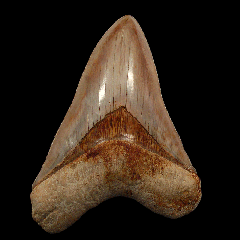
A black megalodon tooth with visible serrations often ranks among the most valuable fossil shark teeth in today’s collector market. Color, condition, and structural detail work together to influence price. Buyers want to know exactly how much a megalodon tooth is worth and what makes one piece stand out from another. The answer lies in a few key traits that reflect preservation, rarity, and display appeal. If you are buying, selling, or collecting, knowing what gives a tooth its true worth helps you make informed decisions every time.
What Determines How Much a Megalodon Tooth Is Worth?
Most buyers assume size sets the value. While that plays a role, it rarely tells the whole story. The most sought-after teeth come from specific regions, carry clean edges, and often display a black enamel finish. When collectors spot a black tooth with sharp serrations, a whole root, and a symmetrical build, they recognize a premium specimen. These features reveal not only the fossil age but also how well the environment protected the tooth over time. Rarity, preservation, and detail shape the market value more than any single measurement.
Enamel color influences collector interest
Black enamel stands out for both appearance and rarity. This color forms when the tooth absorbs minerals from phosphate-rich soil during the fossilization process. Most fossil teeth come in various shades of brown or grey. Black enamel signals long-term burial in a mineral-rich setting. That finish adds to the display value and makes the piece more desirable. Clean black coloration without patches or fade appeals to experienced buyers. While not every black tooth earns a premium, those with sharp contrast and uniform color often lead listings.
Serrations confirm quality and preservation
Serrations run along the edge of the tooth and serve a real purpose in the megalodon’s hunting ability. Fossil teeth with full or partial serrations signal stronger preservation. These details often wear down due to water, sand, or exposure before they can be recovered. Sharp serrations near the tip or along both edges indicate that the tooth remained well-protected in its burial environment. A serrated tooth also brings more attention in the market. Buyers associate these features with authenticity and display quality.
Size and symmetry strengthen price positioning
Collectors will always pay attention to size. A megalodon tooth measuring over five inches naturally draws interest. However, size alone does not ensure high value. Shape, symmetry, and balance matter just as much. A well-preserved root, centered tip, and even blade edges make the tooth more attractive and collectible. On the other hand, a large tooth with cracks or uneven wear may not command top pricing. Condition drives most final offers, especially when matched with an intense color and sharp edge detail.
Surface quality matters more than you think
Beyond color and size, the texture and gloss of enamel play an important role. Buyers often examine the surface closely. Smooth enamel that reflects light evenly usually indicates better fossil integrity. Suppose the enamel shows deep pits, breaks, or rough patches, which lowers the overall display value. Teeth with a bright, clean surface feel more complete. That visual appeal turns casual interest into serious buying intent. A shiny black finish with no visible restoration or repair will almost always lead over a similar-sized piece with faded surface detail.
Location and origin boost trust and value
A tooth’s value often increases when its origin is clear and well-known. Some of the most respected megalodon tooth finds come from locations such as South Carolina, Florida, and Morocco. These regions consistently produce strong specimens with unique coloration and structure. Buyers prefer fossils from these areas because of their long-standing reputation for producing high-grade pieces. When a listing includes known origin and environmental conditions, it adds value and trust. This matters to both new and experienced collectors.
Common traits that raise the market price
Several features show up in higher-priced teeth across the fossil market. When combined, these characteristics consistently signal higher value:
● Deep black enamel with consistent color throughout.
● Sharp or near-complete serrations along both edges.
● Smooth, glossy enamel surface with no cracks or chips.
● Whole root with little erosion or wear.
● Centered tip and balanced shape when viewed face-on.
● Known source location from respected fossil sites.
The more of these features a tooth carries, the more interest it will attract in a private sale or public listing.
Estimated value ranges based on condition
Buyers and sellers often ask how much a megalodon tooth is worth when they spot one for sale. Actual prices can vary, but specific patterns repeat in today’s fossil market. Based on collector behavior and verified listings, here’s a basic outline:
● Three to four-inch black teeth with visible wear often sell between $200 and $400.
● Teeth in the same size range with clean edges and deep black color may reach $500 to $700.
● Five-inch teeth with excellent structure, color, and serrations often list between $900 and $1500.
● Specimens reaching six inches with all premium features may range from $2000 to $3500 or more.
These numbers reflect general pricing and can shift depending on demand and fossil quality.
Myths about megalodon tooth value
Many new buyers enter the market with the wrong ideas. These myths often cause confusion and missed opportunities. Let’s clear them up:
● Large teeth consistently earn more.
● Not true. A smaller tooth in better condition may outsell a larger one with damage.
● All black teeth are valuable.
● False. Color adds value only when the condition and features also support it.
● River finds always bring the best price.
● Incorrect. Some river finds are worn or incomplete despite their origin.
● Serrations mean the tooth is untouched.
● Not always. Some teeth have restored or sharpened edges, so always check the whole surface.
Understanding the truth helps both buyers and sellers make better decisions and avoid overpaying.
Closing thoughts for buyers and sellers
If you plan to invest in a megalodon tooth, take the time to review its shape, surface, edge condition, and origin. These traits give the clearest insight into quality. For sellers, clear images and honest descriptions bring better offers. A tooth with black enamel and preserved serrations can lead to both value and display appeal. Collectors often want more than just size. They look for clean preservation, intense color, and fossil integrity. This combination builds trust and raises long-term value. If you wonder how much a megalodon tooth is worth today, compare current offerings by these specific traits before making a decision.






