

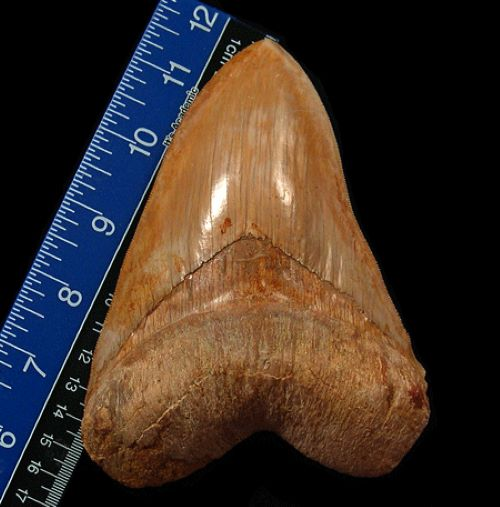
The Megalodon remains one of the most extraordinary creatures ever to inhabit the oceans. Its immense size, power, and dominance continue to inspire fascination, even millions of years after its extinction. Today, much of what is known about this prehistoric predator comes from its fossilized teeth, which have survived the passage of time.
At our service, we often help collectors and enthusiasts explore these remarkable relics. Some teeth measure only two inches, while others exceed seven inches in length, dwarfing nearly every other shark fossil. This dramatic difference in size has long been a subject of curiosity, raising the question of what explains such diversity, often described as the megalodon tooth size range.
A Spectrum Written in Fossilized Stone
Megalodon teeth display an impressive spectrum of sizes, and each tells a unique story:
● Smaller teeth (2–3 inches): Typically linked to juveniles or positioned toward the back of the jaw, these fossils may be small in scale but are vital for understanding early development and functional adaptation.
● Medium teeth (3–5 inches): These strike an ideal balance between accessibility and grandeur. Their triangular shape and serrated edges reflect the classic Megalodon design and make them some of the most admired among fossil collectors.
● Large teeth (5–7+ inches): These giants are among the rarest finds. They embody the astonishing size Megalodon reached and command attention as prized specimens in both private and museum collections.
The wide variation in size is not random. It reflects the shark’s growth, the role of individual teeth within the jaw, and the environmental conditions that preserved them for millions of years.
Biological Forces That Shaped Tooth Size
Two biological influences stand out as key to understanding why Megalodon teeth differ so dramatically: growth over time and the arrangement of the shark’s jaws.
Age and Growth
Megalodon teeth grew proportionally as the shark matured. Smaller teeth often came from juveniles whose jaws had not yet reached their full dimensions. As the shark expanded in both length and strength, its teeth scaled up to match, equipping the predator with the tools needed to dominate larger prey.
Jaw Placement
Tooth size also depended on location within the jaw. Like modern sharks, Megalodon possessed several rows of teeth. The anterior teeth at the front were broader and larger, designed for seizing and tearing. Teeth positioned further back were smaller and narrower, adapted to slicing. This functional variation produced a natural range in size even within the mouth of a single individual.
Taken together, these factors reveal that not every small tooth represents a young shark. A modest two-inch tooth could have belonged to a fully grown adult but originated from the rear of its jaw. By contrast, the largest specimens signify the massive front teeth of a mature predator.
Environmental Conditions and Fossil Preservation
Biology explains how the teeth were formed, but the environment determined which specimens survived and in what condition they appear today.
The Rarity of Large Teeth
Teeth exceeding five inches are inherently scarce. Over time, fossil-bearing sites have been extensively searched, leaving fewer large specimens to be found. Their rarity enhances both their scientific importance and their cultural value as symbols of one of nature’s most formidable hunters.
Preservation Through Time
The fossilization process also played a critical role. Geological pressures, mineral deposits, and erosion shaped whether a tooth endured intact or became fragmented. Some preserved examples display sharp serrations, rich coloration, and complete root structures, while others are weathered or incomplete. Larger teeth, due to their size and fragility, were particularly vulnerable to damage, making pristine specimens exceedingly rare.
Environmental context, therefore, explains why smaller and mid-sized teeth appear more frequently, while larger, intact examples remain exceptional discoveries.
Collector Interest: When Size Becomes Symbol
For collectors, size directly influences value and desirability. Each category holds a different place in the world of fossil appreciation:
Smaller specimens: Affordable and accessible, these appeal to newcomers and those seeking an introduction to fossil collecting.
Medium specimens: Often considered the most appealing, these provide impressive size without being unattainable, striking a balance between rarity and representation.
Large specimens: The crown jewels of any collection, these teeth embody the extreme growth of Megalodon and are prized for both their rarity and the remarkable conditions under which they survived.
This fascination reflects more than aesthetics. The interest in the megalodon tooth size range has amplified the cultural significance of these fossils, ensuring their place as both scientific treasures and symbols of prehistoric power.
What the Variation Reveals
Looking at size variation in Megalodon teeth provides more than collector appeal. It offers a window into the shark’s biology and the prehistoric oceans it once ruled:
● Smaller specimens highlight developmental stages and the specialized functions of different teeth.
● Medium teeth demonstrate the shark’s iconic form and reveal how it adapted its dentition for survival.
● Large specimens showcase the scale of a predator that ranked among the most excellent hunters the seas have ever known.
Each tooth, whether small, mid-sized, or massive, contributes to a richer understanding of how Megalodon lived and thrived as the ultimate apex predator of its time.
Conclusion: A Legacy Preserved in Teeth
Megalodon teeth endure as more than fossils—they are enduring records of biology, environment, and survival. Their variation reflects growth, jaw function, and the conditions that allowed them to fossilize over millions of years.
Smaller teeth remind us of juveniles and specialized functions within the jaw. Medium teeth reveal both form and function, carrying the enduring image of the species. The largest specimens, awe-inspiring in their scale, testify to the true magnitude of this ancient predator.
Together, these teeth form a detailed picture of life in prehistoric oceans. Each discovery, whether modest or monumental, enriches the understanding of a shark that once reigned supreme. It is through this remarkable megalodon tooth size range that the story of one of Earth’s most excellent hunters continues to inspire wonder today.






