

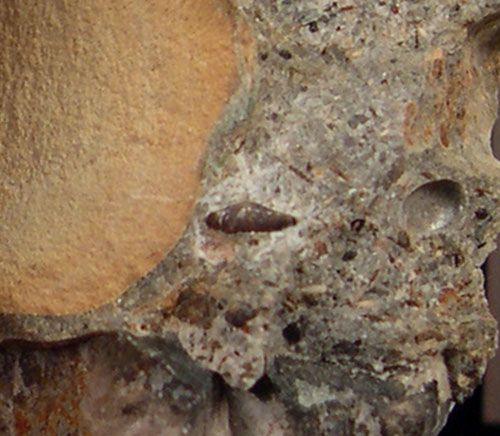
When we uncover a megalodon tooth from the UK, we are holding more than a fossilized remnant—we are touching a fragment of history that speaks of giants dominating ancient seas. These discoveries allow us to look back millions of years and imagine vast predators moving through waters where Britain now stands.
Our efforts to preserve and study these teeth help reveal the extraordinary ecosystems that once flourished here and remind us of the immense creatures that shaped them.
Fossils as Echoes of Prehistoric Oceans
The presence of Megalodon teeth in Britain is not by chance. These fossils are remnants of a period when much of the land was submerged beneath warm, life-rich seas during the Miocene and Pliocene epochs. They tell us that powerful predators once thrived here, ruling as apex hunters. Each fossil carries undeniable evidence that these waters supported an environment capable of sustaining marine giants.
Why British Megalodon Teeth Matter
Among the most compelling finds are those from Norfolk. One specimen, measuring nearly 5 inches, showcases glossy enamel, a partially preserved bourlette, and serrations still visible despite heavy use. Although part of the root is damaged, the authenticity and completeness of the tooth make it remarkable. More than a collector’s item, it is a striking reminder of a predator that once shaped entire ecosystems.
Teeth from Britain are rare compared with those found in other parts of the world, which makes each specimen especially significant. Their scarcity highlights their value, both as scientific evidence and as cultural artifacts that enrich the broader story of prehistoric life across Europe.
Traces of Giants Locked in Stone
A Megalodon’s tooth can tell us more than size and shape—it provides insight into ancient behaviors, diets, and environments.
Size: Larger teeth, reaching over 6 inches, suggest sharks exceeding 10 meters in length. Even smaller British examples confirm the enormous scale of these predators.
Serrations: Sharp edges indicate a feeding strategy built for tackling large prey, such as whales and sizable fish.
Color and Preservation: Natural shades of black, brown, or grey reflect the minerals present in surrounding sediments. These subtle details reveal information about fossilization and geology.
Each megalodon tooth from the UK is a record of predator-prey interactions, evolutionary traits, and the environmental conditions that supported such immense marine life.
Britain’s Prehistoric Seas
Finding Megalodon teeth in Britain makes it clear that the region’s seas were once very different. During the Miocene and Pliocene, warm oceans stretched across areas that are now dry land, offering ecosystems where colossal predators could thrive. These teeth prove that Britain was once part of a vast marine stage, teeming with life and dominated by creatures at the very top of the food chain.
The Norfolk specimen, with its impressive size and well-preserved features, illustrates this connection vividly. Its existence shows how both shark and sediment worked together to preserve a snapshot of ancient life, leaving us with tangible proof of prehistoric waters.
Fossils That Carry a Legacy
Megalodon teeth are more than hardened remnants—they are storytellers from another age. Their durability has allowed them to survive the passing of millions of years, and today they hold value in multiple ways:
● Educational Tools: They provide a hands-on experience for students and museum visitors, sparking interest in Earth’s history.
● Scientific Evidence: Researchers study them to learn about shark evolution, ancient climates, and marine biodiversity.
● Collectible Treasures: Authentic fossils, especially those untouched by restoration, are highly prized for their rarity and historical importance.
Each role demonstrates how these fossils bridge the gap between past and present, offering knowledge while inspiring fascination.
Lessons from Ancient Ecosystems
These fossils reveal that the seas of the Miocene and Pliocene were alive with complexity. Warm waters supported an abundance of marine animals, which in turn allowed predators like Megalodon to thrive. Their presence in Britain shows that this predator’s range was global, with northern waters forming part of its territory.
Because shark skeletons were made of cartilage, only their teeth remain. Yet these teeth endure as faithful records of their existence. Each fossilized tooth acts as evidence of survival, predation, and adaptation in a prehistoric environment.
Relevance in the Present
Megalodon teeth from Britain continue to shape our understanding today. Scientists shed light on ecosystems long gone. Educators become tools for sparking curiosity about geology and evolution. For collectors, they are artifacts of awe and rarity.
Their enduring importance lies in their dual identity: both scientific records and cultural symbols. They remind us of endurance, power, and the scale of life that once thrived in Earth’s oceans.
Britain’s Place in the Megalodon Story
Although teeth are often uncovered in regions such as North America and Africa, British discoveries remain vital. They expand the known range of Megalodon and prove that even northern seas were home to these giants. Each fossil contributes to a larger global narrative, emphasizing the dominance and adaptability of this species.
The Norfolk specimen captures this importance well. Its combination of size, preservation, and authenticity makes it invaluable for study and collecting. Through it, Britain’s role in the Megalodon story is secured, reminding us that these islands once shared their waters with some of the largest predators ever known.
Conclusion: Giants of Ancient Seas
A megalodon tooth from the UK is more than a fascinating fossil—it is undeniable proof that colossal sharks once ruled these waters. These teeth capture the scale of predators that thrived in the Miocene and Pliocene seas, preserve the story of ecosystems that are long gone, and connect the present with a world that existed millions of years ago.
Each fossil is a messenger from deep time, confirming that Britain’s seas were once the domain of giants. Their story lives on in stone, ensuring that the legacy of Megalodon continues to inspire wonder and expand knowledge today.






