

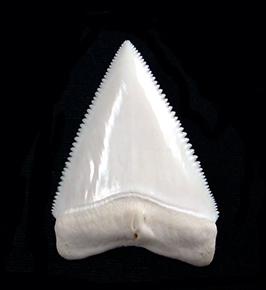
When we first encounter a pathological Megalodon tooth, the impression is unforgettable. Instead of the clean triangular shape most expect, these teeth appear twisted, split, or pressed into unnatural forms. The deformities immediately draw attention, not as flaws, but as unique relics of prehistoric life. Our fascination lies in more than their appearance—these fossils serve as biological biographies preserved in stone.
By offering them to collectors, we provide access to ancient narratives carved into enamel. For those intrigued by rare specimens, finding a pathological megalodon tooth for sale represents a chance to own a piece of this extraordinary story.
What Is a Pathological Tooth?
Pathological teeth are those that deviate from typical growth, often in dramatic fashion. Instead of the symmetrical crowns associated with giant sharks like Megalodon and Otodus, these teeth display distortions—split crowns, compressed edges, or shortened height. They are anomalies created not after fossilization, but during the living shark’s lifetime.
Examples uncovered in the phosphate mines of Khouribga, Morocco, showcase striking abnormalities. One specimen displays a crown cleanly divided into two, producing the rare “split crown” form. Another appears compressed both horizontally and vertically, altering the entire profile of the crown and root. These deviations are natural phenomena, shaped by biological events millions of years ago, and preserved with remarkable clarity in the fossil record.
The Science Behind the Deformation
How do such distortions arise? The answer lies in the shark’s development. Teeth are constantly replaced in the jaws of ancient sharks, but injuries, stress, or biological disruptions could alter the growth process, producing teeth that looked unlike their neighbors.
Common causes include:
● Trauma – Injuries to the jaw while feeding or fighting could damage growing teeth.
● Nutritional stress – Limited resources or imbalance during development may have disrupted enamel formation.
● Genetic variation – Natural mutations occasionally altered the blueprint of tooth growth.
● Intraora pressure – Crowding or pressure from surrounding teeth could deform a developing crown.
Fossil specimens illustrate these outcomes vividly. Some show crowns shortened and compressed, while others are divided down the middle or bent at angles that defy expectation. Descriptions from Moroccan finds often emphasize how rare these distortions are compared with ordinary specimens. Each one captures a moment when biology took an unexpected turn.
Stories Embedded in Stone
What makes these teeth truly captivating is the story behind the deformity. A crown split down the center could signal a painful injury during formation. A compressed or flattened crown suggests environmental or physical pressure within the shark’s jaw. These abnormalities act as fossilized case histories of resilience.
Even with deformed teeth, these massive predators survived. A Megalodon swimming the ancient seas with a misshapen crown still hunted, thrived, and lived long enough for its fossilized remains to reach us today. The imperfections do not represent weakness, but instead serve as enduring evidence of survival in the face of adversity.
Some paleontologists suggest that specific pathologies may point toward interactions between sharks themselves—evidence of stress, impact, or even conflict. Although speculation remains, the fascination grows when considering the violent and unpredictable lives of these apex hunters. For modern collectors, the intrigue lies not only in appearance but in the idea that each abnormality reflects a hidden chapter of prehistoric history. Spotting a pathological megalodon tooth for sale is often a highlight for enthusiasts who value story as much as form.
Why Collectors Value the Flawed
In fossil collecting, beauty is often associated with perfection—sharp edges, symmetry, and polish. Yet, pathological specimens turn that expectation on its head. Their appeal lies in imperfection. A deformed tooth sparks conversation, invites curiosity, and elevates a display from static exhibit to dynamic narrative.
Catalog descriptions often highlight these fossils as “oddities of nature.” Their rarity adds to their desirability. Unlike the more common symmetrical crowns, each pathologic piece is entirely unique. Collectors seek them out precisely because no two are alike, and because their unusual forms raise questions that pristine teeth cannot answer.
Equally important is authenticity. Fossil dealers emphasize whether specimens are complete and free from repair. Pathological teeth that remain intact and unrestored carry the highest value. They are fossils with character, adding depth to any collection by combining geological preservation with biological storytelling.
Caring for the Curio
Owning a pathological fossil means assuming responsibility for its preservation. These teeth survived for millions of years underground, but proper care ensures they continue to endure.
● Verify provenance – Fossils sourced from recognized sites such as the Moroccan phosphate beds should come with origin details to maintain authenticity.
● Handle with care – Gentle cleaning with a soft brush avoids damaging delicate surfaces. Harsh chemicals or abrasives should be avoided.
● Maintain stable conditions – Consistent humidity and temperature prevent microcracking and deterioration.
● Display thoughtfully – A secure case with indirect lighting enhances visual appeal while protecting the specimen.
● Respect ethical considerations – Responsible sourcing supports the preservation of paleontological heritage.
These practices ensure the fossil remains both an object of admiration and a record of ancient life. By caring for them properly, collectors safeguard not just the specimen but also the story it conveys.
Conclusion
Pathological Megalodon teeth are not accidents or flaws—they are extraordinary chronicles written in enamel. Each twist, split, or compression reflects moments when natural development shifted from the ordinary into the exceptional. These teeth allow us to see prehistoric predators not as invulnerable giants, but as living creatures subject to stress, trauma, and adaptation.
For collectors, they provide more than display pieces. They are artifacts of resilience, conversation starters, and reminders that imperfection carries depth. Each tooth preserves an unrepeatable story from the ancient seas. For those wishing to connect personally with that narrative, the opportunity to discover a pathological megalodon tooth for sale brings prehistory into the present—an ancient voice echoing through a single fossil.






