At our fossil shop, we have seen how the name Sharktooth Hill continues to captivate both collectors and researchers. We provide access to fossil specimens from this historic site that has earned its nickname through an extraordinary combination of rarity, variety, and scientific value. Sharktooth Hill is located near Bakersfield, California, and is part of the Round Mountain Silt formation from the Miocene period.
The area dates back approximately 15 to 16 million years and continues to offer fossil discoveries that help us understand ancient marine life with exceptional clarity. One of the most sought-after finds is the Sharktooth Hill Megalodon tooth, a rare treasure that has become symbolic of the site's legacy.
A Rare Window into the Miocene
The fossil bed found at Sharktooth Hill may be one of the richest marine bone deposits in the world. It covers a large area and has preserved countless examples of aquatic species. These include fossilized shark teeth, whale bones, turtle fragments, and fish remains. They were all laid down during a time when the area was covered by a shallow ocean. Over time, layers of fine sediment helped preserve the fossils in impressive condition.
Within the Round Mountain Silt, the most crucial fossil-bearing feature is a layer known as the Bone Bed. This section measures six inches to one foot thick and holds hundreds of bones per square yard. Fossils from this layer often take on mineral-rich colors such as red, brown, orange, tan, blue, and black. These hues reflect the soil chemistry and groundwater activity that occurred during fossilization.
Megalodon Teeth: The Crown Jewels of the Deposit
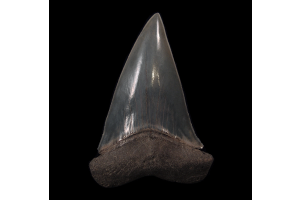
Although Sharktooth Hill contains a wide variety of fossilized shark teeth, it is the rare Megalodon specimens that continue to draw the most attention. One example includes a tooth measuring five inches in length, featuring coarse serrations and a strong, interlocking root structure. These features help identify it as a tooth from Otodus (Carcharocles) megalodon, the ancient shark that once dominated the Miocene oceans.
Unlike sites where Megalodon teeth are more commonly found, Sharktooth Hill provides only a few examples. However, those that do appear have exceptional scientific and collectible value due to their origin, size, and condition. A Sharktooth Hill Megalodon tooth often commands attention because of its location-specific geological context and rarity.
More Than Megalodon
The importance of Sharktooth Hill does not rely on Megalodon fossils alone. A broad range of shark species has been uncovered here. These include Isurus planus, Carcharodon hastalis, Galeocerdo contortus, and Hemipristis serra, among others. The presence of these species allows scientists to piece together what predator life may have looked like during the Miocene.
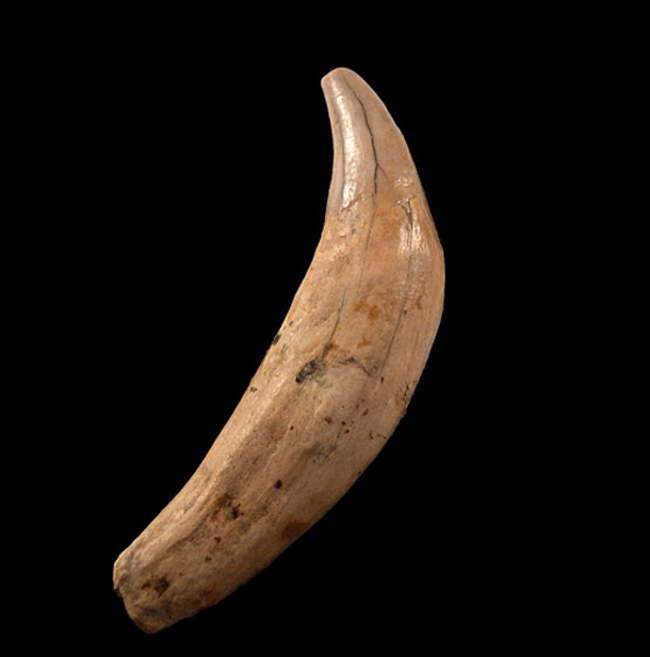
Fossils from other marine animals also add to the site’s importance. Whales, seals, rays, turtles, and even seabirds have been preserved in the silt. This wide variety of species helps build a clearer picture of an active and thriving ocean ecosystem from millions of years ago.
Geological Context of the Bone Bed
The fossils from Sharktooth Hill are part of the Round Mountain Silt formation, which belongs to the larger Temblor Formation. This structure represents a shallow marine environment that once existed across what is now central California. The Bone Bed is the primary fossil layer, but other sections of the formation also contain notable features.
For example, some larger bones, such as whale skulls, have been found enclosed in concretions. These natural mineral casings help protect the fossils from erosion or damage. The result is a well-preserved fossil that retains both structural and historical integrity.
The high density of fossils in the Bone Bed has led researchers to believe that the area may have served as a trap or a deposit site where marine remains were collected over time. Shifts in sedimentation and water chemistry may have allowed these fossils to become preserved in large numbers.
The Visual Allure of Fossil Teeth
In addition to their scientific value, fossils from Sharktooth Hill hold strong visual appeal. The mineralization process gives each tooth a unique appearance. Some show deep reds or vibrant oranges, while others appear in rich shades of blue, tan, or black. These colors are not artificially added but occur naturally due to the environmental conditions during burial and fossilization.
Fossils are typically labeled with their species name and geographic origin. For collectors, this adds to the historical significance and presentation value. For scientific researchers, these details support fossil classification and help trace evolutionary patterns.
The Origin of the “Graveyard” Title
The phrase “Megalodon Graveyard of the West” is rooted in the sheer volume and variety of fossils found within Sharktooth Hill. While Megalodon teeth are uncommon, their presence adds significant weight to the site’s reputation. When combined with the countless other species, the area reflects a concentrated record of marine life from a specific period in Earth’s history.
This mix of large predators, small fish, and marine mammals suggests a complex food web that played out in the shallow Miocene seas. Sharktooth Hill offers rare access to that story, preserved in layers of silt and bone.
Scientific and Collector Interest
Sharktooth Hill remains relevant to both scientific study and fossil collecting. Researchers continue to analyze specimens from this area to improve the understanding of Miocene marine ecosystems. At the same time, collectors continue to value specimens for their beauty, rarity, and historical context.
From bold-colored shark teeth to elusive Megalodon finds, Sharktooth Hill continues to hold a place of importance in the fossil world.
Conclusion
Sharktooth Hill has earned its reputation by preserving marine life from a long-lost oceanic era. With its mix of species, rare finds, and unique preservation conditions, the site serves as both a source of knowledge and a destination for those seeking genuine fossil history.
Each fossil retrieved from its depths adds another chapter to the prehistoric past. For anyone drawn to ancient ocean predators, a Sharktooth Hill Megalodon tooth remains a powerful link to a time when giants ruled the sea.