

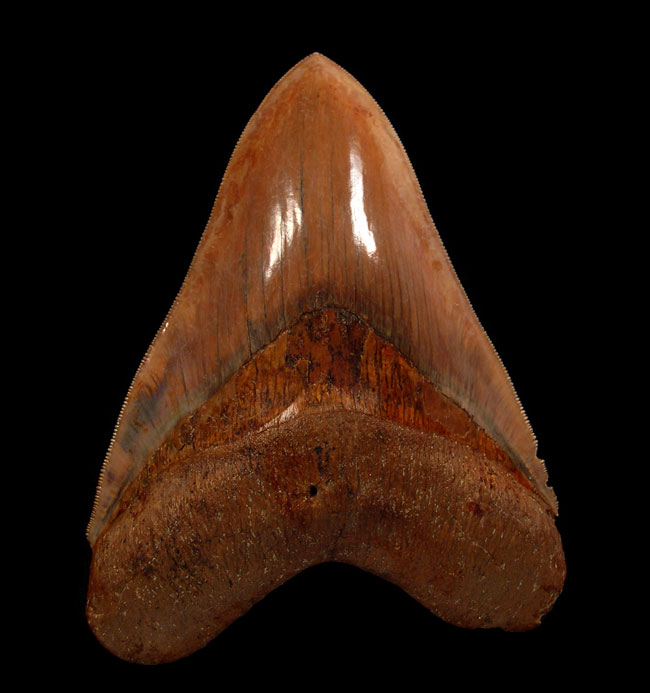
Fossils are time capsules, preserving fragments of Earth’s distant past. Among the most extraordinary are shark teeth, which often withstand millions of years of pressure and sediment. Within this remarkable fossil category lies the Megalodon tooth in West Java, a specimen that not only excites collectors with its beauty but also helps researchers decode the ancient balance of predators and prey in prehistoric oceans. These fossils illuminate how giant sharks coexisted with other marine species, offering vital insights into biodiversity during the Miocene epoch.
A Fossil Window into Prehistoric Ecosystems
The Megalodon, formally known as Otodus megalodon, was the largest shark to ever exist. Its dominance as an apex predator left a profound mark on marine ecosystems. Every discovery of a Megalodon tooth in West Java contributes to understanding these dynamics because teeth are direct indicators of feeding behavior and prey diversity. When marine ecologists examine tooth serrations, size, and wear, they can reconstruct the types of creatures that filled these ancient seas—ranging from whales to giant turtles.
Why West Java Matters
West Java has recently become one of the most exciting fossil localities for collectors and researchers. Teeth found here are remarkably preserved due to their limestone matrix, which protects the enamel and serrations. Unlike fossils from other regions, West Java specimens frequently display unique multicolored bourlettes and bold enamel patterns, making them visually stunning. For science, this means we can study intact features that are often degraded elsewhere. For collectors, it means rare treasures with natural artistry.
These teeth, dug by local miners in rugged terrain, highlight the resilience of fossil preservation. Some specimens even exhibit extraordinary serration distances onto the root—characteristics that enhance our ability to compare Megalodon evolution across different regions.
Connecting Fossils to Marine Biodiversity
What makes these teeth invaluable to marine ecologists is their direct link to food webs. By analyzing isotopes within a Megalodon tooth, scientists uncover what prey species existed and how ecosystems adapted around this apex predator. In the Miocene seas, whales diversified rapidly, and Megalodons kept populations in balance. This predator-prey relationship contributed to rich biodiversity, demonstrating how top predators regulate ecosystems.
When we hold a Megalodon tooth in West Java, we hold a record of that ancient balance. It tells us not just about the shark itself, but about the abundance of life it depended upon. These findings enrich our knowledge of marine evolution and extinction, while also inspiring today’s conservation efforts by showing how predator loss can alter ecosystems.
The Collector’s Perspective
For passionate collectors, the teeth from West Java are truly extraordinary treasures in the world of paleontology! Their stunning array of colors—from rich tans and deep reds to earthy browns, vibrant blues, and shimmering golds—makes them a delight to behold. Among these colors, the enchanting "Tiger eye" bourlette is especially remarkable, boasting intricate patterns that elevate these fossils into genuine works of art.
While searching for a flawless specimen can sometimes feel like a quest for hidden treasure, the unique challenges posed by soil acidity and excavation methods only add to their allure and worth. Each tooth carries a distinctive geological fingerprint, revealing fascinating narratives that blend artistry with scientific exploration. This invites collectors to embark on an exciting journey through the ancient stories encapsulated in these remarkable artifacts, making every discovery a step into the past filled with wonder and intrigue!
At Buried Treasure Fossils, we are thrilled to offer these exceptional finds. Many of the West Java pieces in our catalog rival or even surpass specimens from historically famous sites like Chile or the Bone Valley mines. We take pride in ensuring every tooth we feature is authentic, legally collected, and accurately represented for both collectors and researchers.
Educational Value for Researchers and Enthusiasts
Beyond collecting, these fossils serve as teaching tools. They help students and enthusiasts understand evolutionary adaptations, extinction patterns, and the resilience of life through geological epochs. A Megalodon tooth with sharp serrations teaches us about feeding mechanics; a discolored or fractured root shows the harsh conditions fossils endure. These subtle details are invaluable to paleontologists reconstructing marine history.
We also believe in making the fascination of fossils accessible. Our catalog includes everything from entry-level specimens under $50 to museum-grade pieces worth thousands. This range allows both beginners and experts to engage with the same story of ancient biodiversity—through specimens that are authentic, certified, and historically significant.
Why These Fossils Still Matter Today
Understanding prehistoric biodiversity isn’t just an academic pursuit. It directly informs how we approach modern marine conservation. Studying Megalodon’s role in balancing whale populations, for instance, helps us see how apex predators today—such as orcas or great white sharks—shape ocean health. The Megalodon tooth in West Java is more than a collector’s gem; it is a scientific bridge between past ecosystems and the challenges our oceans face now.
Conclusion: Preserving History, Inspiring Discovery
Every Megalodon tooth in West Java represents a rare intersection of beauty, science, and history. These fossils tell stories of predator-prey dynamics, showcase unique geological artistry, and inspire modern approaches to biodiversity research. Whether you are a marine ecologist searching for insights, a fossil researcher uncovering evolutionary secrets, or an advanced collector seeking a rare treasure, these teeth embody the enduring allure of prehistoric life.
We are proud to share these extraordinary specimens through our catalog, continuing the mission of making fossils both accessible and educational. Explore our collection, discover the passion behind each fossil, and let these ancient treasures remind you of the vast and intricate history beneath the waves.






