

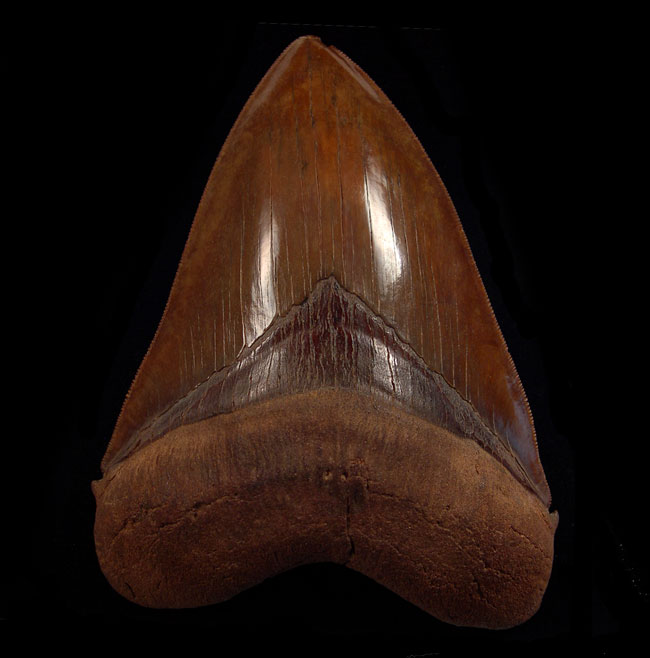
Long before modern coastlines took shape, ancient seas covered much of what we now call the Eastern Seaboard. In these waters swam one of the most formidable predators Earth has ever seen—the Megalodon. Among the most fascinating discoveries tied to this legendary shark is the copper-red North Carolina Megalodon tooth, a fossilized treasure that captures both natural history and collector fascination. Fossil enthusiasts, marine historians, and educators alike marvel at the story this rare find tells about prehistoric oceans, ancient geology, and the resilience of preserved specimens.
Why the Copper-Red Color is So Special
Most shark teeth are shades of black, brown, or gray, but the copper-red coloration found in certain North Carolina specimens is something extraordinary. This unique hue results from the mineral composition of the surrounding sediments in the Meherrin and other rivers of the region. Over millions of years, iron-rich minerals seeped into the teeth, infusing them with that striking red tint. For collectors, this makes each tooth not only a piece of paleontological history but also a natural work of art, a fossilized jewel shaped by time and chemistry.
The Megalodon’s Ancient Reign
The Megalodon ruled Earth’s oceans between 23 and 3.6 million years ago during the Miocene and Pliocene epochs. Estimates suggest it grew to lengths exceeding 50 feet, making it the largest predatory shark in history. Its teeth—sometimes over 7 inches long—are powerful indicators of its strength and dominance. The North Carolina Megalodon tooth is particularly significant because it reflects how these ancient predators thrived in the warm, nutrient-rich waters of the region. Each fossil unearthed is a direct link to the feeding habits, migration patterns, and sheer size of these remarkable creatures.
Geological Treasure Chests: Pungo River and Yorktown Formations
North Carolina’s coast is one of the world’s most celebrated fossil-hunting regions. The Pungo River and Yorktown formations, along with the Castle Hayne formation, act as natural treasure chests preserving millions of years of marine history. These formations once formed the seabeds where Megalodons hunted whales, dolphins, and large fish. When collectors recover a North Carolina Megalodon tooth from these sites, they are essentially retrieving a page from an ancient ocean diary, where geology and biology converged to create extraordinary preservation.
The Rarity of Copper-Red Fossils
Not all Megalodon teeth from North Carolina carry the copper-red coloration. In fact, these fossils are quite rare and highly sought after in the collecting community. The rivers that produce them—such as those in the northeastern corner of the state—yield limited quantities, making each discovery an event worth celebrating. Divers often spend countless hours sifting through gravel beds, sometimes leaving empty-handed. But when one does find that gleaming copper-red tooth, it represents patience, skill, and a connection to millions of years of history.
From Buried Treasure to Collector’s Shelf
At Buried Treasure Fossils, we understand the excitement of uncovering such rare finds. Since 2000, we’ve been dedicated to making fossils accessible to both beginners and seasoned collectors. Our catalog includes everything from Megalodon teeth and dinosaur claws to ammonites and trilobites. Yet, few specimens generate the same awe as the copper-red North Carolina Megalodon tooth. Every tooth we offer is authentic, legally collected, and carefully curated for its scientific and aesthetic value. We emphasize transparency and quality, ensuring our customers can buy with confidence while enriching their understanding of prehistoric life.
The Educational Value of Fossil Collecting
Beyond their beauty, fossils like the copper-red Megalodon teeth hold immense educational value. They help illustrate the process of fossilization, the interplay of geology and biology, and the evolutionary history of marine predators. Educators often use these specimens to engage students in discussions about extinction, adaptation, and climate shifts through time. Holding a North Carolina Megalodon tooth is like holding a timeline of Earth’s oceans—a tangible link to ecosystems that vanished millions of years ago.
How Collectors Appreciate These Fossils
Collectors are drawn to Megalodon teeth for several reasons: size, condition, rarity, and locality. A copper-red specimen checks every one of these boxes. Its coloration sets it apart visually, while its provenance from North Carolina enhances its credibility and intrigue. Unlike mass-produced imitations, these fossils carry unique characteristics—sharp serrations, glossy enamel, and distinctive root shapes—that make them one-of-a-kind. Many collectors describe the thrill of acquiring one as similar to owning a fine gemstone or rare antique.
Copper-Red Fossils Beyond Megalodon
While the awe-inspiring teeth of the Megalodon often capture our imagination, let's not overlook the delightful rivers of North Carolina, which conceal a hidden gem—a stunning collection of copper-red fossils from a variety of ancient shark species, including Auriculatus, Angustidens, and the powerful Great White. These incredible fossils beautifully illustrate the vibrant diversity of shark life that once thrived in prehistoric oceans. At Buried Treasure Fossils, we take immense pride in showcasing these captivating specimens alongside the iconic Megalodon teeth, allowing collectors and enthusiasts to explore the dynamic marine ecosystems of the past. Each fossil—whether it’s an impressive Megalodon tooth or that of a lesser-known ancestor—tells a unique story in the remarkable tale of evolution, showcasing the lasting legacy of these ancient predators in our planet’s history. Join us on this thrilling journey as we uncover the wonders of our Earth’s marine heritage!
A Legacy Preserved in Stone
Every fossil tells a captivating story, and the stunning copper-red Megalodon teeth from North Carolina are no exception! These incredible relics transport us back to ancient oceans teeming with prehistoric giants and highlight the remarkable biological prowess of the Megalodon, a true titan of the marine world. They also showcase the unique geological beauty of our coastal landscapes, shaped by nature’s relentless forces over millions of years.
Holding these fossils connects us with a magnificent predator that once ruled our seas, bridging the vast expanse of time. For marine history enthusiasts, avid fossil collectors, and passionate educators, there’s nothing quite like the thrill of discovering a Megalodon tooth along the shores of North Carolina. Each tooth not only mesmerizes with its sheer size and elegance but also embodies a tangible link to our planet’s fascinating past, igniting our imagination and curiosity about the mysteries of history. Embrace the excitement and wonder that comes with these astounding fossils—they inspire us to explore and celebrate the natural world around us!
Conclusion: A Rare Opportunity to Own History
The copper-red North Carolina Megalodon tooth is more than a fossil—it’s a natural masterpiece, a scientific treasure, and a collector’s dream. Its unique coloration, geological origins, and connection to the mighty Megalodon make it one of the most coveted fossils in the world. At Buried Treasure Fossils, we are passionate about showcasing an exquisite collection of rare specimens, each telling a story of the ancient world. Our extensive catalog is brimming with prehistoric wonders, inviting you to explore the fascinating treasures that nature has preserved for millions of years.
Suppose you’re ready to hold a piece of Earth’s history in your hands and enrich your collection with something truly extraordinary, explore our latest selections today. In that case, you may just find the fossil that completes your story.






