

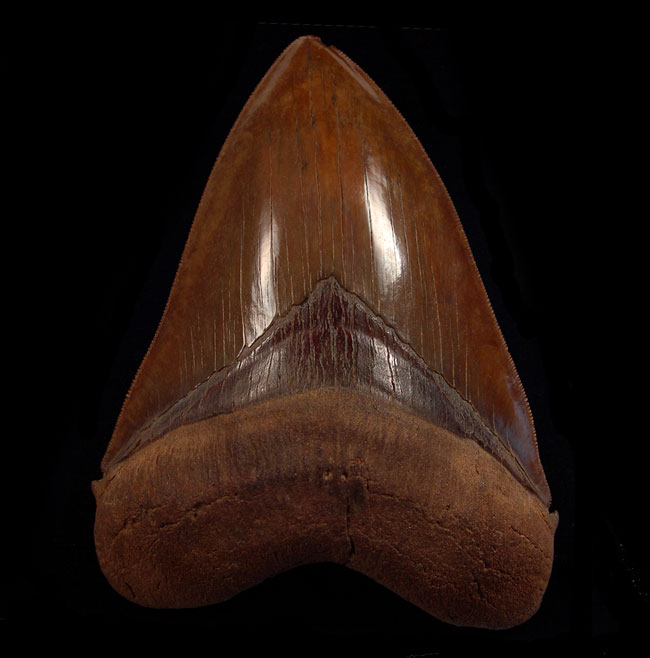
Collectors often seek fossils that reveal a deeper story. Not every megalodon tooth carries the same appeal. Some display more than just size or shape. They show character, color, and the signature of a rare environment. That’s why collectors and fossil hunters keep an eye out for a megalodon tooth in North Carolina. The copper-red color turns heads for a reason. These teeth offer more than beauty. They offer geological history, strong preservation, and real collector value. Let’s break down exactly what makes these North Carolina fossils so appealing.
Lt’es explore more detailed information:
North Carolina’s Rivers Shape Unique Fossils
North Carolina’s coastal rivers carry more than water. They carry time. These rivers cut through layers of earth that date back millions of years. Within these layers, mineral-rich sediments surround ancient shark teeth. Over time, these minerals replace the tooth’s organic matter. That process creates fossils. But the rivers in this region bring something extra. Iron and phosphate settle into the enamel and roots of the teeth. This mixture leaves behind a deep copper-red color that collectors rarely find elsewhere. The rivers shape each tooth into something distinctive.
Fossils Form With Color That Stays
The copper-red color doesn’t fade or sit on the surface. It becomes part of the tooth. As the minerals seep into every part of the fossil, they create lasting depth and tone. That’s what makes this coloring authentic—no dye, no polish, no coating. You can see the color reach through the bourlette, enamel, and root. This rich tone pairs with a solid structure. The river sediment protects the tooth. It cushions it over time and slows erosion. That’s why so many North Carolina fossils retain their sharp serrations and intact points.
Copper-Red Fossils Command Attention In The Market
Collectors notice rare colors. Sellers recognize this trend. Buyers act quickly when a copper-red tooth enters the market. They understand that this color doesn’t come from every dig site. It comes from specific riverbeds where iron-rich sediment creates the right conditions. That limited supply adds value. Buyers also know that once someone adds a copper-red tooth to a private collection, it is likely to remain there. That scarcity pushes demand. Collectors want to secure these pieces before they are lost to long-term collections.
Understand What Drives Value
Tooth color grabs attention, but it doesn’t drive price alone. Buyers evaluate each fossil with a sharp eye. They look at color first. Then they consider condition, size, symmetry, and location. A tooth with a rich copper-red color and sharp serrations holds substantial value. If it also comes from a verified North Carolina river site, that adds to its trustworthiness. If it measures over five inches, that bumps it up further. Buyers don’t just collect fossils. They invest in them. Each of these factors affects how a tooth performs in the market over time.
Know What A Real Copper-Red Tooth Looks Like
Collectors can easily distinguish between natural fossils and treated pieces. A real copper-red tooth carries depth in its color. That tone doesn’t wash off or change under light. The enamel and root should match in hue. The bourlette often carries the richest shade. Look at the edges. Authentic fossils usually show natural signs of wear, but not excessive damage. You won’t see glossy finishes or fake shine. Buyers should always ask for detailed photos. A good seller shares close-ups of the serrations, tip, and root to show authenticity.
Trust The River Over The Ocean
Teeth pulled from rivers usually show better preservation than those found offshore. That happens because rivers erode slowly and protect fossils in soft sediment. Ocean teeth face strong currents, rocks, and prolonged exposure to the elements. That beats up the fossil and wears away the edges. In contrast, North Carolina’s riverbeds keep the tooth sheltered until someone uncovers it. That shelter allows for cleaner enamel, sharper serrations, and full root structures. That condition matters. Collectors want teeth that hold their detail over time. River teeth stand up well and display better on shelves or in cases.
Buyers Must Look Past Photos
Photos can help, but they don’t always show the whole picture. Some sellers use lighting or angles to make fossils appear cleaner or redder than they really are. That’s why buyers should ask questions before making a purchase. They should ask where the tooth came from and whether it received any cleaning or repair. They should request images in natural light. They should examine both sides of the tooth. Genuine sellers know their fossils. They understand what collectors need to know and share those details upfront.
Know The Middle Market Risks
The low and high ends of the market are easily discernible. Cheap teeth show heavy wear and poor color. Premium teeth show everything right. But the middle market gets tricky. Some sellers smooth out flaws or repaint damaged roots. A megalodon tooth in North Carolina may look authentic at first glance. Still, without proper verification, it could carry undisclosed alterations. Buyers who don’t ask questions may pay too much for a modified tooth. That’s why reputation matters. Experienced sellers examine every tooth for repair marks, unnatural gloss, or filled chips. They pass on pieces that don’t meet collector standards. That process helps buyers shop with confidence.
Collectors Look For Four Key Traits
Color. Size. Condition. Provenance. These four traits define what makes a tooth valuable. A copper-red tooth leads with color. Collectors want that deep, earthy red because it feels rare and exclusive. Size always matters, especially if the tooth measures over four or five inches in diameter. However, the condition often determines whether the value remains. Serrations, symmetry, and tip integrity carry weight. And provenance builds trust. Teeth that come from known North Carolina rivers bring confidence. A fossil that checks all four boxes will always attract serious interest and stand tall in any collection.
Common Questions Buyers Ask Before They Buy
Does the color come from natural minerals?
Yes. The rivers carry iron and phosphate. These minerals enter the tooth during fossilization, giving it a lasting copper-red tone.
Do all North Carolina teeth look red?
No. Only specific layers and riverbeds carry the minerals needed to create this color. That’s why these fossils remain rare.
Can I find a better deal with Ocean Teeth?
Ocean teeth are usually less expensive but often exhibit heavy wear. River fossils offer better detail, preservation, and value.
How do I know the fossil wasn’t altered?
Look for photos in natural light. Ask about restoration—trust sellers who clearly describe the tooth and explain its origin.
What if I want to sell it later?
If the tooth retains its color and detail and comes with proof of origin, it can appreciate over time.
Work With Sellers Who Know Their Fossils
Sellers who work directly with divers and collectors handle better fossils. They take time to clean their teeth properly without overdoing it. They avoid touching up flaws or polishing the enamel. They understand how condition and provenance affect value. Good sellers study each piece, check for signs of repair, and price based on real traits. They don’t chase volume. They focus on quality. Buyers should look for sellers who share photos, answer questions, and respect the collector’s eye. That level of care separates trusted sources from casual dealers.
Final Thoughts
If you want a megalodon tooth in North Carolina, you need to know what to look for. Copper-red fossils attract collectors for good reason. Their color, condition, and origin combine to make them rare and desirable. These teeth don’t just sit on shelves. They anchor collections and tell the story of ancient rivers and the sharks that once ruled them. As more collectors seek authentic fossils, demand for these teeth continues to rise. Act wisely. Learn what matters. And add a fossil to your collection that stands apart from the rest.
Footnote
Copper-red megalodon teeth from North Carolina formed under rare mineral conditions in ancient riverbeds. Their color and preservation attract collectors and continue to rise in market demand.






