Sharks have long captured the human imagination, from fearsome predators in the ocean today to colossal legends of the past. Among the most fascinating prehistoric creatures is Carcharocles megalodon, the largest shark that ever lived. The thrill of discovery continues to draw fossil enthusiasts into rivers, coastlines, and quarries, with megalodon tooth fossil hunting becoming both a popular hobby and a cultural phenomenon. Every discovery reminds us of the mysterious, awe-inspiring power of the oceans—and fuels the enduring myth of the monster shark.
The Legacy of a Prehistoric Giant
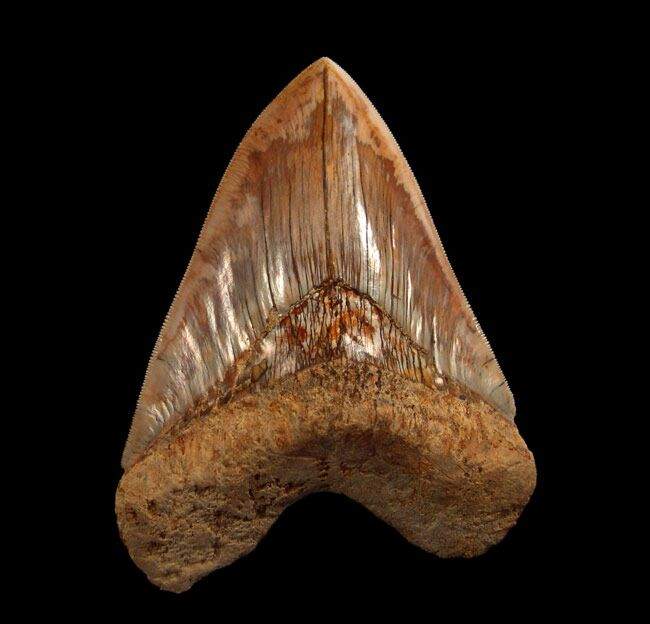
The megalodon swam Earth’s oceans roughly 23 to 3.6 million years ago, and scientific estimates suggest it could grow up to 60 feet long, with jaws large enough to swallow a modern great white whole. While its extinction is well-documented, the story doesn’t end there. Fossils—particularly teeth, which could grow to more than 7 inches—have preserved the creature’s presence in a tangible way. Unlike fragile bones, shark teeth fossilize easily, leaving behind a treasure trove for collectors and researchers alike.
At Buried Treasure Fossils, we have witnessed the profound impact that a single specimen can have, igniting a flame of scientific curiosity and inspiring captivating tales. When you cradle one of these ancient teeth in your hand, the megalodon transforms from a mere relic of the past into an imposing predator that feels as though it might still be lurking in the shadowy depths of the ocean. Each tooth tells a story, bridging the gap between history and imagination, reminding us of the majestic creatures that once roamed the seas.
Why Megalodon Teeth Inspire Fascination
Shark teeth are unlike any other fossil. Their durability means they are often found in excellent condition, with serrated edges still visible millions of years later. When enthusiasts embark on megalodon tooth fossil hunting, they’re not just looking for a piece of prehistoric bone—they’re searching for a relic of power, dominance, and mystery.
This tangible connection to Earth’s history has made these fossils highly collectible. Some collectors are drawn to the rarity of exceptionally large or perfectly preserved teeth. Others seek smaller specimens as affordable entry points into the world of fossil collecting. Either way, every find tells a story, and every tooth carries the weight of a legend.
The Myth of the Living Megalodon
Pop culture has played a massive role in keeping the megalodon alive in the modern imagination. From books and documentaries to blockbuster films like The Meg, the idea of a living monster shark continues to surface again and again. Fossil discoveries feed directly into this narrative.
When people uncover enormous teeth in rivers or coastal cliffs, the sheer scale is enough to suggest survival against the odds. Even though science firmly places the megalodon’s extinction millions of years ago, the thrill of discovery allows the imagination to wander: what if one still roams the uncharted depths?
This enduring myth thrives due to the fascinating fossils that serve as undeniable evidence of megalodon’s existence—each relic intricately telling a story while simultaneously preserving an air of mystery that fuels the imagination. This captivating interplay creates a mesmerizing blend of fact and fantasy, merging scientific inquiry with legendary allure.
Fossil Hunting as Adventure
Part of the appeal lies in the adventure itself. Searching for shark teeth along rivers, beaches, or quarries feels like a treasure hunt, and when you finally spot that triangular serrated tooth, it’s a rush unlike any other. Locations such as Florida’s Peace River, Maryland’s Calvert Cliffs, and South Carolina’s blackwater rivers are famous for producing impressive finds. Each site offers both challenges and excitement—sometimes involving diving, wading through mud, or scouring sandy shorelines after storms.
For beginners, hunting is as much about the experience as the discovery. Even small teeth from prehistoric sharks like makos or otodus carry their own allure. Collectors often start small, then work their way up to larger and rarer specimens. That’s where we step in—at Buried Treasure Fossils, we make this world accessible by offering authentic fossils for those who may not have the opportunity to hunt in person.
Secondary Treasures: More Than Just Shark Teeth
While megalodon teeth remain the crown jewel of fossil hunting, the broader fossil record is filled with equally captivating specimens. Dinosaur teeth and claws, ammonites with their intricate spiral shells, and trilobites preserved in dazzling detail all provide glimpses into prehistoric ecosystems. Many of our customers expand their collections beyond shark teeth, building cabinets of natural history that bring the distant past to life.
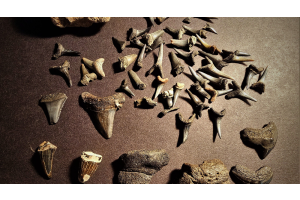
The secondary keyword fossilized shark teeth naturally connects here. Collectors often begin their journey with these smaller finds before progressing to rare and museum-grade specimens. These teeth not only demonstrate the diversity of prehistoric sharks but also highlight how evolution shaped modern predators like the great white.
How Collecting Fuels Education and Storytelling
One of the most rewarding aspects of fossil collecting is its educational value. Each tooth provides insight into how sharks adapted over time, what they ate, and the environments they inhabited. When shared with children, fossils can ignite an early passion for science, paleontology, and marine biology.
At Buried Treasure Fossils, we emphasize the story behind every specimen. By offering context—geological age, discovery site, and species characteristics—we ensure that collectors gain not just a fossil, but also knowledge. For many, these specimens become conversation pieces, sparking curiosity and storytelling at home, in classrooms, or among friends.
Why the Megalodon Myth Endures
Legends rarely survive without something tangible to support them. Megalodon teeth are that tangible proof. Unlike dinosaurs, whose massive skeletons are often pieced together in museums, shark teeth can be held in your hand, carried in your pocket, or displayed on a desk. They blur the line between science and myth in a uniquely accessible way.
The persistence of the monster shark in folklore, literature, and cinema can be traced directly to fossil discoveries. Without them, megalodon would be just another name in a paleontology textbook. With them, it continues to feel alive, looming at the edges of imagination.
Bringing Prehistory Home
Fossil hunting is not limited to fieldwork in rivers and cliffs. Thanks to trusted sources like us, collectors can acquire authentic specimens to enjoy and display without needing to don scuba gear or travel across the country. Our extensive catalog ranges from budget-friendly starter pieces to extraordinary museum-grade specimens, making the prehistoric world accessible to everyone.
The passion that drives us is the same passion that drives fossil hunters—the thrill of holding a piece of Earth’s history, the curiosity about ancient life, and the joy of sharing those discoveries with others.
Conclusion: The Call of the Monster Shark
The enduring myth of the megalodon isn’t born out of fiction alone. It’s fueled every time someone discovers or holds one of its enormous teeth. That’s why megalodon tooth fossil hunting continues to thrive—not only as a scientific pursuit but as a cultural phenomenon that bridges fact and legend. Fossilized shark teeth connect us with a deep history that still resonates in modern storytelling, reminding us that the ocean’s mysteries are far from fully explored.
If you’re ready to hold history in your hands and explore the legends for yourself, we invite you to discover our collection. From affordable fossils to rare specimens, we bring the prehistoric world closer than ever—because the thrill of discovery doesn’t have to stay buried.