

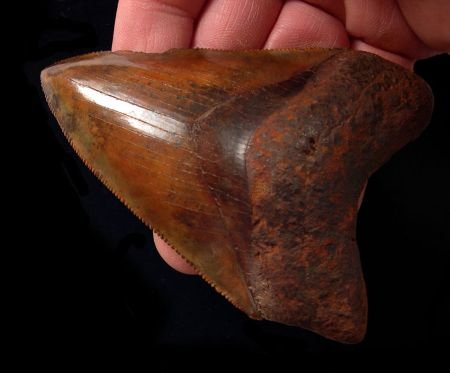
For those of us who are passionate about fossil hunting, few discoveries spark the kind of excitement that a megalodon tooth can. These prehistoric relics are not only massive in size but also rich in history, beauty, and scientific significance. When a megalodon tooth is found in North Carolina, it carries with it more than just an ancient legacy. It tells a story about a giant predator that once ruled the seas and a unique geological environment that preserved its legacy.
The Allure of the Megalodon
The megalodon was the largest shark to have ever lived. Estimated to reach lengths of over 50 feet, this prehistoric predator roamed the oceans millions of years ago during the Miocene and Pliocene epochs. Its teeth are among the only remnants we have of this enormous animal, but they are enough to capture the imagination of anyone with an interest in paleontology or marine life.
Unlike smaller shark teeth, megalodon teeth are remarkably large, often measuring over 6 inches in length. Their triangular shape, fine serrations, and impressive size make them a prized possession for collectors. The thrill of finding or owning one is unlike any other fossil experience.
Why North Carolina?
While megalodon teeth have been discovered in various parts of the world, a megalodon tooth found in North Carolina stands out for several reasons. The rivers and coastal plains of the state are rich in sedimentary layers that date back millions of years. These layers are ideal for fossil preservation, creating a hotbed for fossil hunters searching for marine relics.
One of the most attractive aspects of these North Carolina finds is the unique coloration of the teeth, particularly those with the rare “copper-red” hue. These colors result from the specific mineral content of the riverbeds in the area, adding an extra layer of value and uniqueness to each tooth. When collectors come across one of these specimens, they’re not just finding a fossil. They’re holding a naturally occurring work of art.
The Copper-Red Phenomenon
The copper-red color seen in some megalodon teeth from North Carolina is not just a surface feature. It's the result of millennia of fossilization in iron-rich environments. These iron deposits seep into the dentin and enamel, producing vivid reddish-orange hues. No two teeth are ever the same, and this coloration often increases the desirability and value of the fossil.
For many collectors, owning a copper-red megalodon tooth isn't just about the aesthetics. It’s about having a piece of Earth's natural history that’s completely one-of-a-kind. It’s a conversation piece, a scientific specimen, and a display-worthy fossil all at once.
Why a Megalodon Tooth Found in North Carolina Matters
When we talk about fossil hunting, location matters as much as the find itself. A megalodon tooth found in North Carolina offers not just proof of prehistoric life but also insight into a rich and diverse marine ecosystem that once existed in the region. These teeth are often recovered from river systems like the Tar, Neuse, and Cape Fear, where water erosion gradually exposes ancient sediment layers.
Collectors value these teeth for their impressive preservation. Many of them come out of the rivers in near-pristine condition, needing only gentle cleaning. The natural elements in the rivers act as both protectors and polishers, giving the fossil an almost finished appearance. This makes them more desirable to both novice and seasoned fossil enthusiasts.
How These Fossils Are Collected
Unlike other types of fossil collecting that involve extensive digging or excavation, megalodon teeth in North Carolina are often found by scuba diving in rivers. Divers search the riverbeds using their hands, often by feel alone, as visibility underwater is usually poor. It’s a demanding task that requires patience, experience, and a good sense of the river’s geography.
This hands-on method of collection ensures that every tooth has a story behind it. Divers recall the exact river, depth, and conditions in which the fossil was discovered. This adds a personal narrative to each tooth, making it more than just an object. It becomes a memory, an achievement, a part of someone’s journey.
Size Isn’t Everything—But It Helps
Megalodon teeth vary greatly in size, but the bigger they are, the more sought-after they become. A six-inch tooth is considered a remarkable find and can fetch a premium price, especially if it’s in excellent condition with full serrations and minimal wear. However, smaller teeth are no less significant. They offer the same historical value and are more accessible for beginner collectors.
Condition, color, and completeness all factor into the value and appeal of the tooth. North Carolina teeth often score high across these metrics, making them a reliable and exciting source for collectors.
A Collector’s Favorite
Ask any fossil hunter or collector, and you’ll likely hear the same thing. Finding a megalodon tooth is a milestone. It’s often the fossil that sparked their interest in paleontology to begin with. For some, it’s the crown jewel in a display case. For others, it’s the beginning of a lifelong passion for marine fossils.
The copper-red megalodon teeth from North Carolina are especially cherished because of their rarity and beauty. Their distinct coloration sets them apart from more commonly found gray or black specimens. It’s not just a tooth. It’s a fossil with personality, shaped by the environment it was preserved in.
A Growing Market for Genuine Finds
As interest in fossils and paleontology continues to grow, so does the demand for authentic megalodon teeth. With many replicas and artificially enhanced fossils flooding the market, knowing where your tooth comes from matters more than ever. Teeth sourced from North Carolina’s rivers, especially those with natural copper-red hues, are well-known among collectors and dealers for their authenticity and quality.
Each megalodon tooth found in North Carolina carries a traceable origin, adding credibility and value. For serious collectors, this traceability is not optional. It’s essential.
Conclusion: The Ultimate Fossil Find
We understand the thrill of unearthing something ancient, the excitement of holding a fossil that has survived millions of years beneath the Earth. A megalodon tooth found in North Carolina is more than a piece of prehistoric evidence. It is a treasure shaped by nature, preserved by time, and brought to light through passion and effort.
That’s why these teeth are often considered the ultimate prize in fossil hunting. Their size, condition, rarity, and unique coloration, especially the copper-red specimens, make them unforgettable finds. Whether you’re a new collector or a seasoned fossil hunter, adding one to your collection is a significant milestone.
To explore and own some of the most stunning megalodon teeth available, including those rare copper-red beauties, visit Buried Treasure Fossils, where each fossil tells a story waiting to be discovered.






