When we observe the scale of prehistoric marine life, few fossils are as captivating as the world’s biggest megalodon tooth. As fossil collectors and marine enthusiasts, we are constantly intrigued by the connection between size and survival in the ancient seas. By examining this record-breaking tooth, we gain a clearer picture of the predator that once ruled the ocean depths and the ecosystems that supported such a giant. In comparing features like size, serration, and structure, it’s impossible to ignore the conversation surrounding megalodon vs great white tooth, a topic that reveals striking contrasts in evolution, feeding behavior, and ecological roles.
Evidence of a Marine Giant
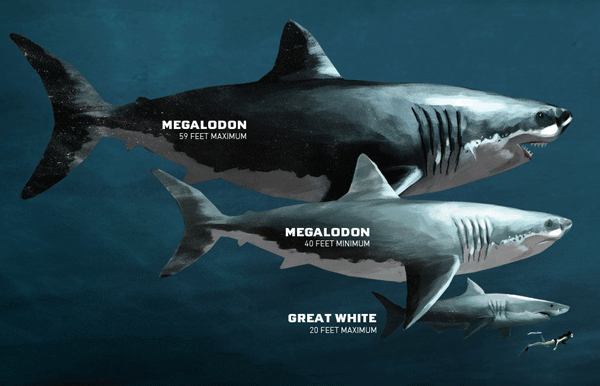
The megalodon tooth under discussion measures an astonishing 7.48 inches in length. This fossil does more than impress with its size; it points to the existence of a shark that could have reached lengths of 60 to 70 feet. In modern terms, that’s over three times longer than today’s largest great white sharks. To support a predator of such magnitude, the surrounding ecosystem must have been robust and diverse.
The presence of large marine mammals like early whales, sea cows, and giant sea turtles suggests a food web capable of sustaining such an apex hunter. The sheer power required to feed, grow, and thrive at this scale also reflects the immense productivity of ancient oceans, especially during the Miocene and Pliocene epochs.
What Tooth Anatomy Reveals
The anatomy of the megalodon tooth gives us several clues about its role in the ocean. Its broad, triangular shape and dense serrations are adapted for slicing through thick bone and flesh. This design is markedly different from the teeth of the modern great white, which are more curved and suited to gripping slippery prey.
This brings the megalodon vs great white tooth debate into focus. The megalodon tooth suggests a hunting style built around ambush and overwhelming force, while great whites rely more on precision strikes. The differences also reflect ecological separation, with megalodon targeting large marine mammals and great whites focusing on fish and smaller marine life. This contrast allows paleontologists to map predator-prey dynamics of the time with more confidence.
Feeding Behavior and Ecological Impact
A single megalodon would have needed hundreds of pounds of food daily. Tooth size, wear patterns, and breakage marks hint at a diet that included whales, large fish, and possibly other sharks. The size of the largest known tooth not only confirms the existence of supersized individuals but also suggests feeding behaviors that shaped the populations of other marine species.
With teeth frequently shed and replaced, megalodon fossils are abundant, but extreme examples like this massive tooth are rare. That rarity hints at the upper limits of what the ecosystem could support, both in terms of prey availability and energy efficiency. The size of this tooth, therefore, became a marker of ecosystem health at the time, indicating rich biodiversity and an abundance of large-bodied prey.
Insights from Tooth Comparisons
Comparing the largest megalodon teeth to those of modern species helps contextualize changes in marine ecosystems over time. In the megalodon vs great white tooth comparison, we see a drastic difference in both size and thickness. The largest great white shark teeth typically measure under 3 inches, less than half the size of this record megalodon tooth.
But it’s not just about size. Megalodon teeth are thicker, with more defined serrations and a root structure built for extreme bite force. These traits align with crushing through dense whale bone, a task less suited to the comparatively delicate teeth of the great white. This reveals not just dietary habits but also changes in ocean biodiversity and prey availability from the Miocene to the present.
Ecological Decline and Fossil Distribution
While the megalodon thrived for millions of years, its extinction around 3.6 million years ago may be linked to a drop in ocean temperatures and shifting prey distributions. The presence of record-sized teeth suggests that the species reached a biological peak before rapidly declining.
Fossils like the largest tooth often turn up in marine sedimentary deposits in regions that were once shallow, warm coastal seas. The fact that such a large tooth was found in this type of environment supports the theory that megalodon preferred temperate waters. As global climates cooled and sea levels changed, these habitats diminished, possibly leading to a collapse in population numbers.
Ocean Chemistry and Fossil Preservation
Teeth are some of the best-preserved elements in the fossil record due to their high phosphate content. The color, enamel texture, and condition of the largest megalodon tooth offer additional insights. Fossilization processes are influenced by the sediment, water chemistry, and time involved.
In the case of this tooth, its preservation suggests it was buried in an oxygen-poor environment that minimized bacterial activity and prevented erosion. These conditions are also favorable to other forms of fossil preservation, helping researchers reconstruct entire ancient marine communities from the same layer of sediment.
Interactions With Other Species
The ecosystems that supported megalodon would have been home to a variety of marine life: baleen whales, dolphins, sea cows, and smaller sharks. Bite marks on fossilized whale bones and vertebrae provide evidence of active predation. In fact, some of these marks align precisely with the shape and serration patterns of megalodon teeth, adding to the evidence that megalodon preyed upon large marine mammals.
Understanding these relationships helps explain how a predator of such size could be supported. It also suggests that ancient oceans may have been more productive than today’s, with greater biomass available in the upper food chain.
What We Can Learn Today
Studying the biggest megalodon tooth allows researchers to connect ancient predator behavior with environmental conditions. It also offers a stark contrast to today’s marine ecosystems, where few animals reach such massive sizes. This shift suggests changes not only in climate but also in ocean chemistry, food availability, and ecological balance.
The megalodon vs great white tooth comparison reflects more than a difference in size. It mirrors a transformation in oceanic life, from vast, energy-rich systems filled with gigantic predators to leaner, more competitive environments shaped by overfishing, habitat loss, and climate change.
The Role of Fossils in Education and Collection
Beyond science, teeth like this one play an important role in education and private collecting. Fossils allow people to engage directly with Earth’s history, fostering curiosity about evolution, extinction, and our planet’s ancient environments.
Large megalodon teeth, especially ones measuring 7 inches or more, are prized not only for their rarity but also for the story they tell. Each tooth is a snapshot of deep time, a preserved record of an ocean world now lost.
Conclusion
By examining the world’s biggest megalodon tooth, we gain a rare glimpse into an era when the oceans were home to true giants. It’s not just about the size of the tooth, but what it represents: the height of marine evolution and the complexity of the ecosystems that once existed. As we reflect on the contrasts between megalodon vs great white tooth, we understand how marine life has changed and what it might take to protect what remains.
At Buried Treasure Fossils, we continue to explore and share the fascinating stories these fossils reveal. Their collection offers authentic, museum-quality specimens that help both enthusiasts and researchers connect with the ancient past, one tooth at a time.
Contact us today to discuss available specimens, ask questions, or arrange a viewing and purchase now.