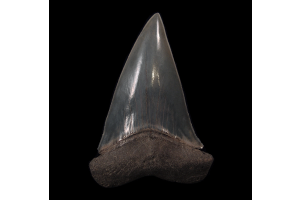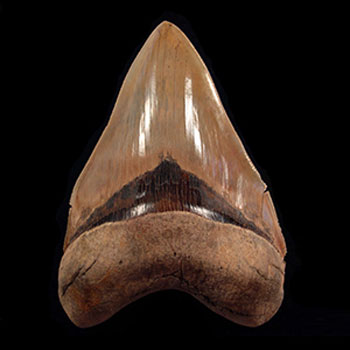
Few fossils stir the imagination quite like the massive, serrated teeth of the Megalodon. These prehistoric remnants continue to captivate us, not just for their size, but for the secrets they reveal about a long-extinct ocean predator. From scientific discoveries to cultural legends, Megalodon teeth hold a special place in our collective curiosity. Their enduring allure speaks to our fascination with the unknown depths of Earth’s history.
A Prehistoric Predator That Still Captivates the Imagination
There’s something undeniably gripping about holding a fossil in your hand—especially when it’s a serrated, heart-shaped tooth from a predator that once ruled the oceans. The Megalodon, whose name literally means "big tooth," swam Earth's oceans over 3 million years ago, and yet its fossilized remains—particularly its teeth—continue to fascinate scientists, fossil collectors, and curious minds alike.
These prehistoric remnants have inspired countless documentaries, books, and collections. For many, the chance to own a Megalodon shark tooth for sale is more than just acquiring a fossil—it’s like holding a fragment of natural history that connects us to a primeval past. From the scientific insights they offer to the cultural myths they’ve sparked, Megalodon teeth remain among the most iconic and sought-after fossils today.
The Science Behind the Teeth: Clues to a Monster's Life
Megalodon sharks were not just big—they were gigantic. Estimates place their length at up to 60 feet, with some weighing as much as 75 tons. That’s roughly three times the size of today’s largest great white sharks. Their teeth could exceed 7 inches in length, and with jaw pressure estimated at 180,000 newtons, they had the strongest bite force ever known in the animal kingdom.
What makes Megalodon teeth particularly fascinating to scientists is the abundance and condition in which they’re found. Since sharks constantly lose and regrow teeth throughout their lives, it’s estimated that one Megalodon could have shed thousands of teeth over its lifespan. These fossils are typically the only surviving remains, as cartilage doesn’t preserve well in saltwater. Yet these teeth have become key to reconstructing the life and habits of this extinct apex predator.
In studying fossilized Megalodon teeth, researchers have discovered insights into their diet (primarily whales and large marine mammals), hunting behavior (attacking fins first), and even the geography of their ancient habitats. For instance, many juvenile teeth found near Panama suggest it was once a nursery ground for young Megalodons.
How the World Reacted to Their Discovery
Before science identified Megalodon teeth for what they really were, cultures around the world gave them mystical explanations. In Europe, they were called “tongue stones” and believed to be petrified dragon tongues. Others thought they were fragments of fallen stars or lunar rocks. It wasn’t until the late 1600s that naturalists began classifying these serrated fossils as shark teeth.
The lore surrounding Megalodon teeth only adds to their intrigue. From pirate treasure legends to speculative theories about the creature’s continued existence in the ocean’s depths, these fossils spark the imagination in ways few other prehistoric remnants do.
The Hunt for Fossils: Where Are Megalodon Teeth Found?
Fossilized Megalodon teeth have been uncovered in sediment deposits around the world—from the coasts of Peru and Chile to the southeastern United States. In particular, places like Shark Tooth Hill in California, the rivers of Florida, and offshore sites near South Carolina and North Carolina have yielded some of the largest and most pristine specimens.
The teeth can vary in color depending on the minerals present in the sediment where they fossilized. This adds an additional layer of allure for collectors who seek unique hues—blues, blacks, browns, and tans.
If you’ve ever searched for a Megalodon shark tooth for sale, you’ve likely noticed that location plays a significant role in pricing, along with size and condition. While we’re not discussing exact numbers here, it’s worth noting that the biggest and best-preserved teeth—especially those over 6 inches—are highly prized.
What Makes Megalodon Teeth Culturally Significant?
Beyond scientific interest, Megalodon teeth have achieved a level of cultural fame. Their massive size and unmistakable serrations make them favorite additions to private collections, educational exhibits, and even jewelry.
Museums often feature these teeth to showcase the scale of prehistoric life, while movies and documentaries frequently use them as visual shorthand for ancient danger. The public’s fascination has only grown with the popularity of shark-themed entertainment—from “Shark Week” to fictional thrillers like The Meg. These films often exaggerate facts, but they highlight a core truth: Megalodon continues to captivate us.
For many hobbyists and educators, Megalodon teeth are more than fossils. They’re conversation starters, tools for learning, and pieces of natural art. Whether displayed on a desk or in a classroom, they represent a tangible link to a vanished world.
Megalodon Teeth: Not Just for Scientists
The allure of owning a real Megalodon tooth extends far beyond the scientific community. Fossil enthusiasts and collectors across the world value these fossils for their rarity, beauty, and mystique. It's not uncommon to find enthusiasts scanning riverbeds, beaches, or fossil pits, hoping to find their own treasure. For those who aren’t able to search in person, fossil dealers provide ethically sourced Megalodon shark teeth for sale options, often complete with stands and certificates of authenticity.
Choosing the right tooth depends on your interest. Beginners might start with smaller teeth, which are more affordable and still stunning. More seasoned collectors often search for large, complete specimens with sharp serrations and glossy enamel. Condition, size, and origin all influence the Megalodon tooth price, and while we won’t delve into specifics, we can say that serious collectors value quality—and rarity—above all.
The Mystery That Endures: Could Megalodon Still Exist?
One reason Megalodon teeth continue to spark such curiosity is the enduring myth: could this colossal shark still be lurking in the deep? While scientists overwhelmingly agree the species went extinct more than 3 million years ago, thanks to oceanic cooling and changes in prey availability, some cryptozoologists and enthusiasts love to speculate.
The size and frequency of fossilized teeth only fuel this fascination. Teeth are found in such good condition and across such a wide area that it’s tempting to believe the Megalodon could still swim in unexplored ocean trenches. While this idea makes for great fiction, the fossil record says otherwise. Still, the "what if?" factor keeps Megalodon alive in the minds of many.
Holding History in Your Hands
Ultimately, the reason Megalodon teeth fascinate us is simple: they connect us to a time when monsters were real. When you hold one of these serrated, stone-hard teeth, you’re holding a chapter of Earth's deep history—a relic of a time when creatures the size of school buses hunted whales for food.
These fossils represent more than biological remains. They’re relics, teaching tools, and in many ways, symbols of nature’s grandeur. Whether you’re a scientist analyzing bite marks or a hobbyist displaying a tooth on your bookshelf, the connection to a long-lost ocean predator is powerful.
For those interested in adding one to their collection, you’ll find that searching for a Megalodon shark tooth for sale is a thrilling journey into the fossil world. Just remember, the Megalodon tooth price reflects more than age—it reflects the awe it inspires.
Wrapping Up
Even millions of years after the Megalodon vanished from our oceans, its teeth continue to leave a mark on our imaginations. Their size, rarity, and prehistoric legacy make them one of the most talked-about and collected fossils in the world. Whether admired for their scientific value, cultural mystique, or striking appearance, Megalodon teeth are enduring symbols of the Earth’s untamed past.
So if you've ever come across a Megalodon shark tooth for sale, take a closer look. That fossil might just be the most exciting piece of history you’ll ever hold. And while the Megalodon tooth price may vary, the fascination they inspire is absolutely priceless.