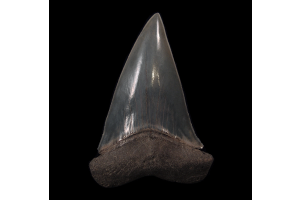
Before museums or coin collections ever existed, ancient humans may have prized something even more captivating—a massive tooth from the king of sharks. These weren’t just fossils; they were symbols of power, mystery, and survival. Today, that same fascination lives on through collectors who cherish each serrated relic. A genuine megalodon tooth fossil isn't just a find—it's a link to a time when giants ruled the sea.
Prehistoric Souvenirs from the Deep
Long before coin hoards, baseball cards, or comic books fascinated collectors, our ancestors might have held on to something just as mesmerizing—giant fossilized teeth from the king of ancient seas: the Megalodon. These massive shark teeth, buried in sediment for millions of years, may have been the first "collectibles" for early humans, not for their monetary value, but as tools, symbols, or talismans.
The idea that a megalodon tooth fossil could hold value across multiple eras bridges an extraordinary connection between ancient civilizations and today’s fossil collectors. Whether for ritual, power, or pure curiosity, humans have long been drawn to objects with size, rarity, and mystery—and few items capture that allure better than a fossilized Megalodon tooth.
A Glimpse Into the Ice Age Collector’s Mind
It’s easy to imagine prehistoric humans stumbling upon large, triangular teeth embedded in a cliff or riverbed. Without understanding extinction or paleontology, they might have seen these relics as supernatural objects. Some anthropologists speculate that fossil shark teeth were used in ceremonial tools, worn as amulets, or passed down as tokens of status. In fact, Megalodon teeth have been found at archaeological sites far from where they were originally deposited—suggesting they were traded or carried as prized items.
Were these the Ice Age version of rare sports memorabilia? Possibly. In a world where survival depended on natural knowledge and spiritual belief, a giant fossil tooth could have symbolized protection, strength, or even divine favor. It’s a timeless trait: when humans find something powerful and rare, we tend to hold onto it.
What Makes Megalodon Teeth So Fascinating Today?
Fast forward to the modern era, and these ancient teeth remain one of the most sought-after fossils. Enthusiasts around the globe collect them not just for their beauty but also for the history they represent. Every serration and chip tells a story from over 3 million years ago when Megalodon sharks—up to 60 feet long—dominated the oceans.
Modern collectors cherish the idea of owning a real piece of prehistoric life. That said, as demand has increased, so has the market for fakes. So how can you tell if your prized specimen is genuine?
Serrations, Imperfections, and Clues from the Past
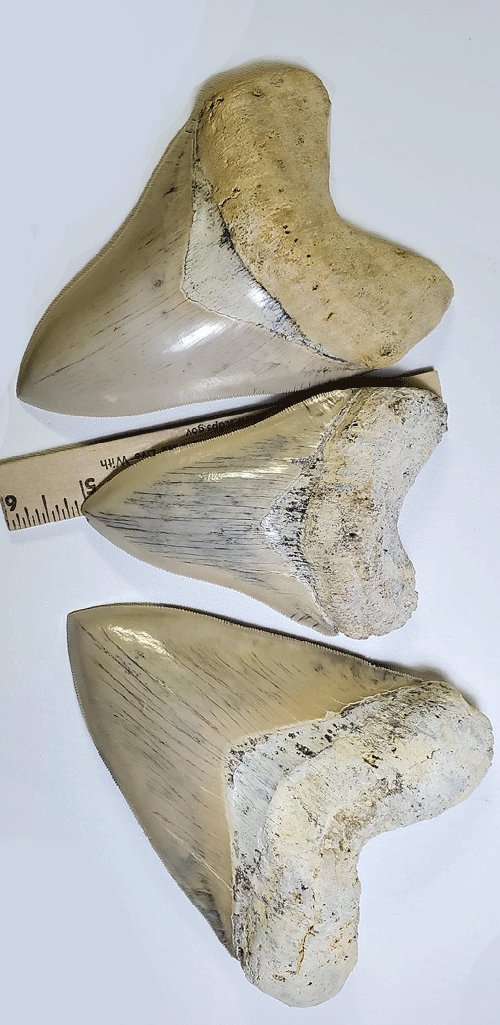
Authentic Megalodon teeth are easy to distinguish—once you know what to look for. A real tooth won’t be perfectly symmetrical or polished like plastic. Instead, it’ll have natural serrations along the edges, almost like a prehistoric steak knife, worn uniquely depending on the shark’s age and diet. These tiny ridges helped the Megalodon tear through whales and large fish, and they are a key detail for collectors to verify authenticity.
But serrations alone aren’t enough. A genuine megalodon tooth fossil also has surface imperfections, chipped corners, or asymmetrical bases caused by millions of years of underwater erosion. Each tooth is truly one-of-a-kind.
The Power of Color and Weight
Real fossilized teeth vary widely in color—ranging from rich blacks and smoky greys to shades of brown and even rare blue tints. These hues come from minerals absorbed over millennia, meaning each tooth carries the story of the land it fossilized in. In contrast, replicas or fakes often feature painted surfaces or overly consistent coloring that looks more like modern sculpture than ancient bone.
Weight is another sign. A real fossilized tooth should feel unexpectedly heavy. It has absorbed minerals over millions of years, giving it a dense, solid feel. Hold one in your hand, and you’re holding not just a relic, but the weight of time itself.
Collecting with Confidence: Knowing the Source
In the world of fossils, provenance matters. Trustworthy sellers offer more than just a specimen—they provide a backstory. Where was the tooth found? What layer of sediment did it come from? Is there documentation? Sellers like Buried Treasure Fossils, for instance, go the extra mile to authenticate and trace the fossil's origin, helping you confidently build your collection.
This is more than a hobby; it’s historical preservation. And as with any significant collectible, the origin and authenticity deeply influence the value—not in dollars, but in integrity.
Why We Keep Collecting: Ancient Instincts, Modern Passion
What drives someone today to seek out a megalodon tooth fossil for their shelf, safe, or office display? The answer might lie in something deeply human—our attraction to the rare, the ancient, and the meaningful. In many ways, collecting fossils taps into the same instincts that drew our ancestors to these teeth in the first place.
Whether as a symbol of strength, a classroom showpiece, or simply a stunning natural artifact, a Megalodon tooth connects us with something larger than ourselves. It reminds us that the earth has lived many lives before us—and that those lives left behind clues for us to find, hold, and share.
From Ancient Beaches to Modern Bookshelves
We don’t need to stretch our imagination too far to see that prehistoric humans, staring into the face of nature’s raw power, may have revered Megalodon teeth much like we do now. While we have the luxury of scientific context, the awe remains the same. That sense of wonder and reverence makes these fossils timeless.
In museums, homes, and private collections around the world, fossilized Megalodon teeth serve as time capsules—a bridge from ancient oceans to modern culture. They are collectibles not just for their form, but for the rich, layered stories they carry.
Final Thoughts
In the end, perhaps Megalodon teeth weren’t just the first collectibles—they were the first relics to spark our fascination with nature’s legacy. From prehistoric talismans to prized fossils today, these teeth carry the same allure they did thousands of years ago.
Whether you're a new enthusiast or a seasoned fossil hunter, knowing how to identify a real megalodon tooth fossil helps you honor that history. More than a pretty piece for your shelf, it’s a fragment of time, power, and mystery—something even early humans couldn’t resist.