

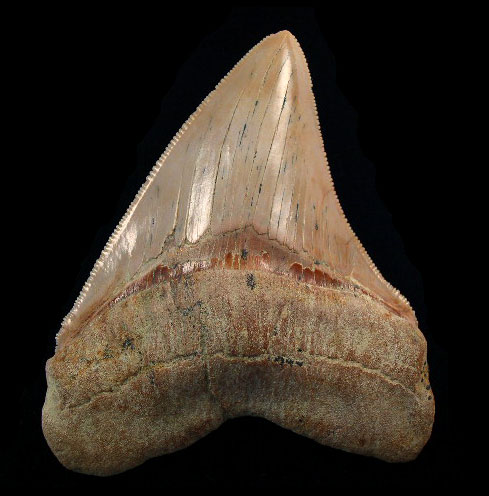
Fossil collecting has always carried an air of mystery and fascination, but few specimens spark the same level of excitement as the Sharktooth Hill Megalodon tooth. These fossilized remains of the prehistoric giant shark are not only beautiful to look at, but they also hold an extraordinary place in paleontology and the fossil-collecting community. For many collectors, owning one is not simply about adding another fossil to their display—it’s about possessing a rare piece of Earth’s ancient history.
So why do collectors go to such lengths to find, preserve, and showcase these particular teeth? Let’s break down the reasons behind the obsession.
The Historical Significance of Megalodon
The megalodon, scientifically known as Otodus (Carcharocles) megalodon, ruled the oceans millions of years ago during the Miocene and Pliocene epochs. Measuring up to 60 feet long, this shark was the largest known predator to ever exist. Its bite force and hunting capabilities made it the apex predator of its time, preying on whales, seals, and other marine life.
When collectors hold a tooth from this giant, they’re literally holding a piece of one of nature’s most powerful creatures. The thought that these teeth once belonged to a shark capable of swallowing a whale calf in a single bite adds to the fascination and reverence.
What Makes Sharktooth Hill So Special?
While megalodon teeth have been found in several places across the world, from Florida to South Carolina, Sharktooth Hill in Bakersfield, California, stands out as one of the rarest localities. This site is part of the Round Mountain Silt formation, a middle Miocene deposit that has produced exceptionally well-preserved marine fossils.
Unlike other areas where megalodon teeth are more common, Sharktooth Hill produces them in very limited quantities. Finding one here is a genuine challenge, and that scarcity is part of what drives collectors to obsess over them. Each Sharktooth Hill tooth represents not only a fossil but also the geological uniqueness of California’s prehistoric ocean beds.
Rarity Drives Desire
Collectors thrive on rarity, and Sharktooth Hill delivers it in abundance. Compared to fossil beds in North Carolina or Florida, where megalodon teeth are more frequently unearthed, Sharktooth Hill teeth are extremely difficult to locate.
This scarcity has turned them into highly sought-after treasures. Collectors often wait years to find an authentic piece from this region, and when they do, the tooth is often regarded as a centerpiece in their fossil collection. For many, the thrill comes not just from owning the tooth but from knowing how rare and exceptional it is.
Distinctive Features of Sharktooth Hill Teeth
One reason these fossils stand out is their unique characteristics. Collectors often note the following traits:
● Coarse serrations along the edges, which differ from those of later megalodon teeth.
● Root “ears” where the crown meets the root, giving them a distinctive appearance.
● Indentations for interlocking, a structural feature that reveals how these teeth functioned in the shark’s jaw.
● Color variations range from tan and brown to striking charcoal and even rare solid white specimens.
These traits make each fossil a work of natural art. No two are exactly alike, which only intensifies the drive to seek out specific colors, patterns, and conditions.
Condition Matters: Why Quality Counts
In the fossil-collecting world, condition is everything. A tooth with complete serrations, an intact root, and high-quality enamel can be the difference between a curiosity and a museum-worthy specimen.
Collectors place enormous value on teeth with sharp edges and vibrant bourlette coloring—the darker strip of enamel between the crown and root. A well-preserved Sharktooth Hill Megalodon tooth can command admiration not only for its rarity but also for its sheer beauty. Many of these teeth, even when millions of years old, maintain a glossy enamel surface that looks almost polished.
The Role of Size in Collector Value
Size is another factor that drives obsession. While small teeth are still valued for their uniqueness, large specimens over five inches are exceedingly rare from Sharktooth Hill. These often become centerpiece fossils displayed with custom stands, admired not just for their historical significance but for their imposing size.
For a collector, securing a large specimen is akin to finding the crown jewel of their fossil collection. The rarity of these larger teeth, combined with their striking presence, explains why they’re often spoken about with such reverence.
A Link to Prehistoric Marine Ecosystems
Collectors aren’t just fascinated by the shark itself—they’re also intrigued by the entire marine ecosystem that these fossils represent. Sharktooth Hill deposits often include whale bones, fish remains, and other marine fossils found in association with the teeth.
When a tooth is still embedded in the original matrix with whale bones, it becomes a snapshot of life and death in the Miocene seas. These specimens tell stories of predator-prey interactions and paint a picture of how the oceans once teemed with massive creatures. For paleontology enthusiasts, this makes the fossils invaluable scientific artifacts as well as collector’s items.
The Allure of Authenticity
In today’s market, authenticity is crucial. Collectors want fossils that are 100% natural, with no repair or restoration. Sharktooth Hill teeth that remain unaltered are particularly desirable because they stand as untouched relics of history. Knowing that the serrations, colors, and shapes are all original adds a layer of trust and pride to ownership.
Authenticity also plays into investment value. Genuine Sharktooth Hill fossils retain or even increase in value over time, making them not only fascinating but also financially sound acquisitions.
Why Collectors See Them as More Than Fossils
For many collectors, owning one of these teeth is about more than paleontology. It’s about identity, passion, and being part of a community of like-minded enthusiasts. Collectors often display their fossils prominently, share them with others, and pass them down as heirlooms.
The teeth become symbols of perseverance, patience, and appreciation for natural history. Collectors know that every time they look at their specimen, they’re reminded of the incredible journey it took—from the ocean floor millions of years ago to their personal collection today.
The Emotional Connection
There’s also an emotional pull to these fossils. Holding a massive, serrated tooth in your hand sparks a visceral connection to a time when giants ruled the sea. It’s awe-inspiring to think that this tooth once belonged to an animal that could dwarf today’s great white sharks.
For collectors, this connection is priceless. It’s not just about science or value—it’s about feeling linked to Earth’s deep past.
Why the Obsession Persists
Collectors will likely never stop obsessing over Sharktooth Hill fossils, and for good reason. These teeth combine rarity, beauty, scientific value, and emotional weight into one fossil. They are scarce enough to be prized, yet attainable enough for dedicated collectors to hope for one day adding to their collections.
In the end, the obsession boils down to one simple truth: a Sharktooth Hill Megalodon tooth is more than a fossil. It’s a relic of power, mystery, and natural wonder—an irreplaceable piece of Earth’s history that will continue to captivate collectors for generations to come.






