

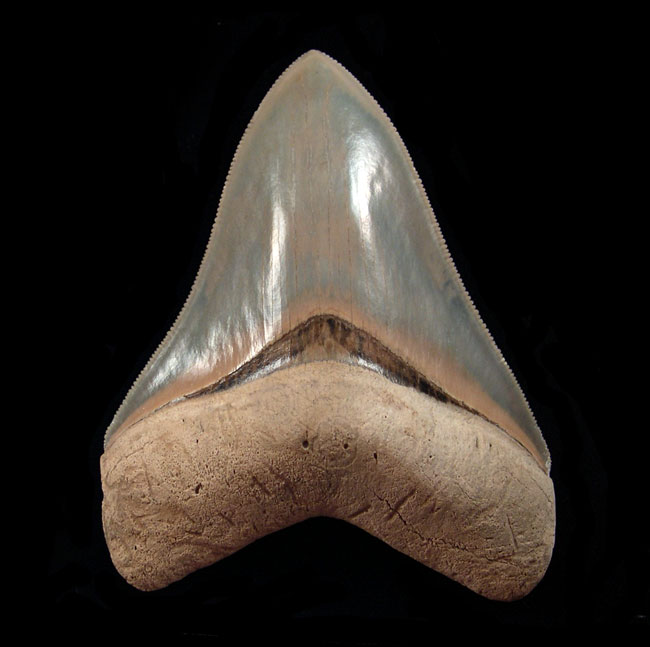
Beneath the rolling plains and rocky outcrops of Texas lies evidence of one of the most formidable sharks to ever patrol Earth’s oceans. The fossilized teeth of Cretoxyrhina mantelli, better known as the “Ginsu Shark,” tell the story of a predator that reigned during the Late Cretaceous period. These fossils, often preserved in remarkable condition, provide more than a glimpse into ancient seas; they represent nature’s mastery of predatory design.
For enthusiasts and collectors searching to buy megalodon teeth in Texas fossil dealers often highlight, the discovery of Cretoxyrhina teeth offers another rare opportunity to own a piece of shark history. Texas, with its rich fossil beds, has become one of the most important localities for uncovering these extraordinary remnants.
Alongside rarer finds, such as Cretodus teeth, these fossils showcase the incredible diversity of sharks that once swam in the Western Interior Seaway nearly 100 million years ago.
The Birth of the “Ginsu Shark” Name
Cretoxyrhina’s common name comes from its most defining feature, its teeth. Each was triangular, broad, and razor-sharp, perfect for slicing flesh with clean precision. Unlike crushing teeth designed for shelled prey, Cretoxyrhina’s dentition made it a specialist in cutting through soft tissue.
In the late 20th century, paleontologists likened these teeth to the well-known Ginsu kitchen knives that could slice through nearly anything with ease. The nickname stuck, not only because it was memorable but because it accurately captured the shark’s evolutionary weaponry. Cretoxyrhina carried hundreds of these cutting tools in its jaws, arranged in rows that were constantly replaced, ensuring the predator was always armed with fresh blades.
A Predator at the Top of the Food Chain
Growing to lengths of 20–25 feet, Cretoxyrhina mantelli rivaled modern great white sharks in size, but its hunting strategy was different. Instead of relying solely on brute power, it was an agile and efficient predator. Its body was streamlined for speed, and its teeth made quick work of prey.
Fossil evidence suggests that Cretoxyrhina fed on large marine reptiles, such as plesiosaurs and mosasaurs, as well as bony fish and smaller sharks. Bite marks matching the teeth of the marine reptile have been discovered on its fossils, offering direct evidence of its predatory behavior. These marks show clean, slicing cuts rather than crushing damage, underscoring why its teeth earned such a distinctive reputation.
Texas as a Fossil Hotspot
During the Late Cretaceous period, much of Texas was submerged beneath the Western Interior Seaway, a shallow, warm body of water that stretched across North America. This environment teemed with marine life, creating the perfect conditions for fossil preservation.
The limestone and chalk deposits of North and North Central Texas yield a wealth of Cretaceous shark fossils. Cretoxyrhina specimens from this region are especially prized for their condition, many retain sharp edges, glossy enamel, and excellent preservation. These qualities make Texas fossils both scientifically valuable and highly desirable among collectors.
Other shark species, such as Cretodus and Scapanorhynchus, are also found in these deposits, further demonstrating the incredible biodiversity of the region during the Late Cretaceous.
Cretoxyrhina vs. Cretodus: Different Designs for Survival
The discovery of Cretodus teeth alongside Cretoxyrhina specimens in Texas highlights the variety of predatory strategies at play in the Cretaceous seas.
Cretoxyrhina mantelli: Sleek and agile, with slicing teeth perfect for active pursuit and precision hunting.
Cretodus crassidens: More robust, with broader teeth that suggest ambush tactics or scavenging behavior.
These distinctions show that ancient Texas waters supported multiple apex predators, each exploiting a different ecological niche. The coexistence of both species reflects the richness and complexity of the Western Interior Seaway ecosystem.
What Cretoxyrhina Teeth Reveal
Shark teeth are among the most abundant fossils on Earth, but searching to buy megalodon teeth in Texas, Cretoxyrhina teeth stand out for their scientific value. Because sharks have skeletons made of cartilage, which rarely fossilizes, their teeth are often the only remains left behind. Each tooth carries vital information about the species’ life and habits.
The design of Cretoxyrhina’s teeth, compared with those of modern sharks like makos and great whites, shows evolutionary continuity. The same slicing strategy that worked 100 million years ago remains effective today in some of the ocean’s top predators.
Why Collectors Prize Texas Shark Fossils
Beyond their scientific significance, Texas Cretoxyrhina teeth are highly valued among collectors. Their rarity, aesthetic appeal, and guaranteed authenticity make them standout fossils for personal collections and displays.
Key reasons collectors seek them include:
Rarity: Large Cretoxyrhina and Cretodus specimens are much harder to find than smaller shark species.
Preservation: Texas fossils often retain remarkable sharpness and enamel quality.
Authenticity: Trusted fossil dealers provide certificates of authenticity, ensuring genuine specimens.
Owning one of these fossils is like holding a direct link to the Cretaceous seas. Each tooth is a fragment of evolutionary history, offering a tangible reminder of predators that once ruled waters stretching across what is now North America.
Fossil Hunting in Texas
The thrill of discovery continues in modern times. Fossil enthusiasts and paleontologists continue to search Texas outcrops, particularly for shark teeth in chalk and limestone formations. While complete skeletons remain almost impossibly rare, individual teeth are still found with some regularity.
Collectors who prefer not to hunt themselves can purchase ethically sourced specimens through reputable dealers. This ensures that fossils are obtained responsibly and preserved for both study and enjoyment. The availability of Texas shark teeth on the market enables enthusiasts to hold and display a piece of deep history, directly connecting them to the ancient Western Interior Seaway.
Conclusion: A Legacy Carved in Stone
The “Ginsu Shark” name perfectly encapsulates the power and precision of Cretoxyrhina mantelli. Its teeth, sharp as knives and designed for slicing, made it one of the most effective predators of the Late Cretaceous seas. Texas, with its well-preserved fossil beds, continues to reveal these extraordinary remnants, along with rarer species like Cretodus, offering both scientific insight and collector appeal.
To own or study a Cretoxyrhina tooth is to hold more than a fossil, it’s to hold evidence of nature’s perfect design, a predator honed to mastery through evolution. Nearly 100 million years later, these teeth remain a symbol of prehistoric power, preserved in the heart of Texas.
Ready to add a rare piece of shark history to your collection? Explore our selection of authentic Texas Cretoxyrhina, Cretodus, and even opportunities to buy Megalodon teeth Texas collectors seek, each specimen guaranteed genuine and expertly curated. Claim your piece of the Cretaceous seas today!






