

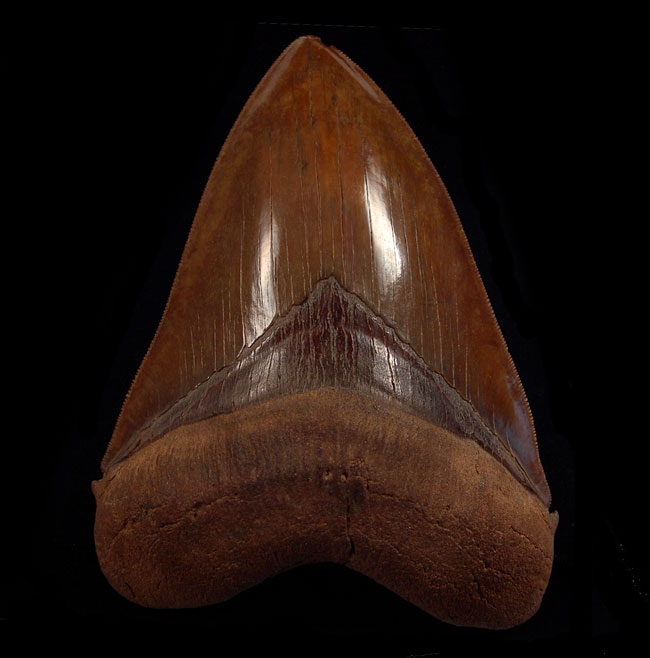
When it comes to fossil collecting, few discoveries match the visual drama and historical value of a copper-red Megalodon tooth. These fossilized remnants of one of the largest predators in Earth’s history not only offer insight into a time when ancient oceans teemed with prehistoric giants, but they also stand out—naturally and unmistakably—for their bold coloration. We see a growing fascination among collectors for the copper-red variety, especially those sourced from North Carolina. If you're on the hunt for a truly rare piece, a megalodon tooth in North Carolina with that signature reddish hue is worth your attention.
Let’s explore what makes these striking specimens such a prize in the fossil world.
The Appeal of Copper-Red Coloration
Most Megalodon teeth range in shades of gray, black, or tan due to the sediment and minerals present in their burial environments. However, copper-red Megalodon teeth boast a vivid rust-red color that can vary from deep mahogany to bright orange-red. This rich coloration is not painted or treated—it's entirely natural, the result of unique iron-rich sediments found in certain fossil beds.
This mineral signature is largely associated with specific regions in coastal North Carolina. The color isn’t just rare—it’s geologically distinct. That makes every copper-red specimen a one-of-a-kind fossil with an authentic origin story.
North Carolina: A Fossil Hunter’s Destination
Fossil collectors know that the megalodon tooth in North Carolina is among the most desirable on the market. The state's coastal rivers and phosphate pits are prime locations for fossil preservation. Over millions of years, these environments have allowed the preservation of Megalodon teeth in excellent condition, often measuring over 5 inches in length.
What sets North Carolina apart is not just the frequency of finds, but the quality of preservation. Many teeth are recovered with full roots, sharp serrations, and minimal wear. When a copper-red tooth emerges from these sediment layers, it's usually accompanied by a deep, mineral-rich shine—a signature look that collectors recognize immediately.
Size, Condition, and Color: The Collector’s Trio
While size is a major factor in a Megalodon tooth’s value, condition and color elevate its status. A copper-red Megalodon tooth that’s over 5 inches with intact serrations and minimal damage is extremely difficult to find. Collectors know that such a specimen is both an aesthetic display piece and a sound investment.
Buried Treasure Fossils, one of the trusted names in fossil collecting, offers a range of teeth sourced directly from these North Carolina sites. The company ensures that each fossil has been naturally colored and preserved without artificial polishing or restoration. When a listing mentions a copper-red specimen, the color you see is the result of millions of years of geological artistry.
Geological Story Behind the Hue
The distinctive red coloring of these teeth tells a geological story of iron deposits and anaerobic sediment environments. When fossilized teeth are buried in these iron-rich layers, minerals gradually seep into the dentin and enamel, chemically altering their appearance.
This natural process—called permineralization—creates the unique reddish tones. Unlike artificial dyes or enhancements, these hues are stable and natural. That’s part of the reason why collectors who acquire a megalodon tooth in North Carolina often seek those from well-known fossil beds in the region. Not every location can produce the copper-red coloration; it’s a rare intersection of biological, chemical, and environmental factors.
Market Demand and Rarity
Copper-red Megalodon teeth are not just beautiful—they’re increasingly rare. Fossil sites in North Carolina are under pressure due to development, restricted access, and environmental regulations. That has made high-quality specimens harder to come by over the years.
For collectors, this means the window of opportunity to acquire a large, well-preserved red tooth is narrowing. As demand rises, so does the competition for authentic pieces. Some of the most eye-catching fossils on display at shows or online auctions are red specimens from North Carolina, instantly recognizable and fiercely bid upon.
How to Identify a Genuine Specimen
If you’re adding a copper-red tooth to your collection, authenticity matters. Look for clear indicators:
● A natural, consistent red coloration throughout the tooth (especially the enamel)
● Mineral inclusions or sediment patterns matching known North Carolina fossil beds
● No signs of polishing or coating
● Evidence of natural wear rather than artificial shaping
Buried Treasure Fossils provides transparent information about the origin, condition, and authenticity of every specimen listed. They also offer high-resolution photos so collectors can examine details like serrations, root structure, and natural coloration before purchasing.
A Display Piece with Ancient Origins
Owning a copper-red Megalodon tooth is like holding a piece of prehistoric ocean history. These teeth were once tools for hunting whales and giant fish. Now, millions of years later, they serve as captivating artifacts for display, study, or investment. The blend of bold color, fossil integrity, and regional rarity makes them centerpiece-worthy in any collection. Whether placed on a custom stand or stored in a fossil case, these teeth demand attention—without needing enhancement or embellishment.
Why Collectors Keep Searching
The hunt for fossil Megalodon teeth is more than a hobby; it's a pursuit fueled by passion, curiosity, and an appreciation for natural history. Copper-red teeth ignite that passion even further, offering both a visual and geological story. As more collectors become aware of the unique appeal of copper-red specimens—especially the megalodon tooth in North Carolina—interest continues to grow. Scarcity adds value, but it’s the authenticity and provenance that turn a fossil into a treasure.
Conclusion
Copper-red Megalodon teeth are unmatched in visual appeal and rarity. Their distinctive color, rooted in the mineral-rich soils of North Carolina, makes them some of the most sought-after items in the fossil community. Collectors value these specimens not only for their size and condition but also for the geological story they tell. If you're searching for a megalodon tooth in North Carolina, especially one with a copper-red hue, you're entering a world where science and aesthetics intersect in the most compelling way.
We appreciate what these fossils represent—and the extraordinary opportunity they offer to those who collect them.
Discover your next copper-red Megalodon tooth and elevate your fossil collection with a rare, naturally colored specimen that reflects millions of years of prehistoric history. Explore the latest listings today.






