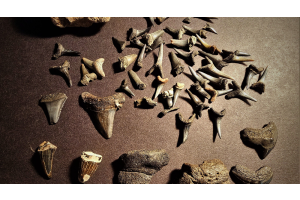
Fossil collecting offers a fascinating glimpse into ancient life, and few finds capture the imagination quite like Megalodon teeth. Their impressive size and prehistoric significance make them highly sought after by collectors around the world. However, the market is crowded with replicas and modified specimens, which can sometimes confuse even seasoned buyers. Knowing how to tell if a Megalodon tooth is real is crucial for anyone who wants to build a credible and valuable fossil collection. Recognizing the key characteristics experts focus on can safeguard both the authenticity of a collection and the financial investment behind it.
Let’s explore the specific methods and standards professionals use to determine whether a Megalodon tooth is genuine.
Recognizing Genuine Megalodon Teeth: The Foundation of Authentication
The first step in authenticating a Megalodon tooth involves examining its shape and size. Genuine specimens generally feature a broad, triangular form that tapers sharply to a point, often measuring several inches long. The enamel surface should feel smooth and glassy, lacking any plastic or artificial texture common in many reproductions.
Coloration and patina provide another important clue. Over millions of years, fossils undergo mineralization, acquiring a range of natural colors influenced by their burial environment. Typical hues include black, gray, brown, and occasionally blue or purple tones. In contrast, teeth that display uniform or unnatural coloring might have been artificially dyed or replicated.
The root of the tooth offers one of the most reliable markers of authenticity. It should appear porous, weathered, and consistent with natural fossilization processes. Overly smooth or plastic-like roots often indicate modifications or reproductions, as replicating this texture accurately is challenging.
Examining Wear Patterns and Serrations: Details Embedded in the Tooth
The serrated edges of a Megalodon tooth functioned much like a saw blade for cutting through prey. Authentic serrations are tiny, consistently spaced, and uninterrupted along the tooth’s edge. Experts often use magnification tools to inspect these serrations closely. Replicas, on the other hand, frequently show irregular, rounded, or missing serrations due to manufacturing constraints.
Wear patterns also offer insight. Teeth used by the ancient shark typically display natural chips or subtle signs of use. These wear marks tend to be irregular and consistent with feeding behavior. Conversely, replicas often lack this nuanced wear or display artificial damage that does not resemble genuine fossil deterioration.
When learning how to tell if a Megalodon tooth is real, close attention to serrations and wear patterns is vital. While these details might be missed by casual collectors, they are essential markers for experts assessing authenticity.
Mineral Content and Weight: Physical Characteristics Matter
A key difference between genuine fossils and modern teeth or replicas lies in their mineral composition and weight. Over time, the original organic material in a Megalodon tooth is replaced by minerals from its surrounding sediment through permineralization. This process creates a heavy, dense specimen distinct from plastic or resin copies.
Experts often gauge authenticity by feeling the tooth’s weight relative to its size. Fossilized teeth tend to feel noticeably heavier than similarly sized replicas. Although weight alone is not a definitive test, it contributes significantly when combined with other indicators.
The internal structure of the tooth can also be revealing. Genuine fossils exhibit a clear layering of enamel over dentin, the inner tooth material. Some collectors even pursue professional imaging, such as X-rays or CT scans, to verify this internal anatomy and rule out artificial construction.
Signs of Restoration and Repairs: What Collectors Should Know
Many Megalodon teeth available for purchase have undergone restoration or repairs. These modifications can range from minor crack filling to reconstructing missing tips or edges. While restoration does not necessarily diminish a tooth’s value, transparency about such work is important to maintain trust.
Experts recognize common restoration materials like epoxy or plaster by observing differences in texture, gloss, or color compared to the original fossil. Unnatural lines, patches, or inconsistencies on the tooth’s surface often point to repair work.
Knowing how to tell if a Megalodon tooth is real also means understanding the extent of restoration. Responsible sellers disclose any modifications upfront, whereas hidden repairs or inconsistent features may signal undisclosed restoration.
Provenance and Documentation: Verifying Authenticity through History
Documentation and provenance play a crucial role in confirming a fossil’s authenticity. Reliable provenance includes details about where and how a specimen was discovered, along with collection records and certificates from trusted sources.
Professional collectors often verify the chain of custody for a fossil. Teeth sourced directly from well-known fossil sites or reputable dealers carry a higher degree of trustworthiness. Without this history, there is an increased risk of purchasing counterfeit or extensively altered fossils.
In addition, understanding local fossil collection laws helps collectors ensure their acquisitions comply with regulations. Authentic Megalodon teeth should originate from legal, permitted sources, supporting ethical and responsible collecting practices.
Tools and Techniques Experts Use to Authenticate Megalodon Teeth
Beyond visual inspection, professionals use specialized tools to verify authenticity. Magnifying lenses and microscopes help reveal fine details such as serration quality and surface texture. UV light is often employed to detect synthetic dyes or resins, as genuine teeth fluoresce differently under ultraviolet light.
Chemical analysis can further distinguish fossilized material from synthetic compounds. Advanced imaging techniques like X-rays or CT scans reveal internal structures inconsistent with replicas.
While these methods require expertise and equipment beyond most collectors’ reach, understanding their role helps foster informed decisions and encourages seeking professional evaluation when in doubt.
Practical Advice for Collectors: Making Informed Decisions
Education remains the best defense against acquiring fake fossils. Familiarizing yourself with the defining characteristics of genuine Megalodon teeth reduces the risk of costly errors. Studying reputable resources and consulting with knowledgeable dealers or experts are practical strategies.
Resisting impulse purchases based solely on appearance or size also helps avoid replicas. Requesting detailed photos of critical features like the root and serrations, along with provenance documentation, is a wise precaution before finalizing any purchase.
Awareness of market prices and common fraudulent practices sharpens your ability to judge offers accurately. While prices vary by size, condition, and origin, suspiciously low prices should prompt caution.
Conclusion: Confidence Through Knowledge
Understanding how to tell if a Megalodon tooth is real requires careful observation, scientific insight, and thoughtful evaluation. Size, shape, coloration, serrations, mineral content, and provenance all factor into a comprehensive assessment. Recognizing signs of restoration and knowing about expert verification tools adds further assurance.
Approaching fossil acquisition well-informed enhances confidence and protects both collections and investments. The rewarding journey through the fossil record is best navigated with a clear, practical approach.
Collectors equipped with these authentication principles can approach the market with certainty. When uncertainty arises, professional evaluation offers the safest path forward. This method ensures that the Megalodon teeth treasured in collections today are genuine fragments of Earth’s ancient history.
We have seen how detailed examination and practical methods shape the collector’s eye, providing a reliable way to distinguish authentic specimens. This knowledge empowers anyone passionate about fossil collecting to make decisions grounded in confidence and care.
Explore authentic Megalodon teeth with confidence—learn expert tips to spot real fossils and build a trusted collection today.