

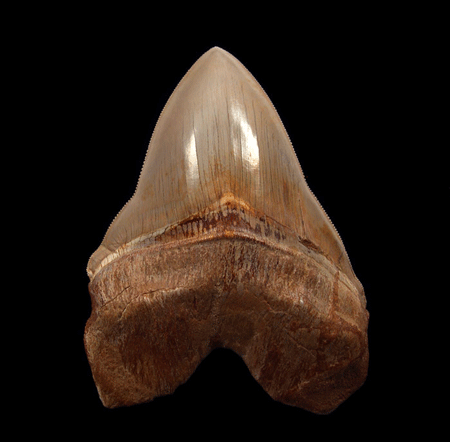
Fossilized shark teeth offer a fascinating glimpse into prehistoric oceans and the giant predators that once dominated them. When searching for these remarkable pieces, excitement often grows, especially with stories about the most expensive Megalodon tooth ever sold. However, beyond size and price, the real goal is to find authentic, high-quality specimens that hold true history without falling prey to replicas or misrepresentations. We understand the thrill of discovering a genuine fossil and the importance of knowing what to look for before making a purchase.
Let’s explore the essential factors that will help you shop with confidence and select fossils that are truly worth keeping.
Understanding Fossil Authenticity
Authenticity forms the cornerstone of any fossil collection. Genuine fossilized shark teeth have undergone natural mineralization processes over millions of years, resulting in features that are difficult to replicate. One of the key signs is the tooth’s texture and coloration. True fossils reflect the minerals and sediments they were buried in, displaying colors ranging from black and gray to rich browns, sometimes with subtle hues influenced by surrounding elements. By contrast, replicas or casts often appear overly uniform or have an unnatural gloss.
Close inspection often reveals fine cracks, wear patterns, and a matte finish rather than a shiny coating. Additionally, authentic fossils tend to feel heavier and denser compared to plastic or resin copies.
Recognizing Quality Beyond Size
While large teeth naturally attract attention, especially those resembling the most expensive Megalodon tooth, quality depends on more than just size. Condition, completeness, and preservation are crucial factors. Check the edges of the tooth carefully. Species like the Megalodon and Great White have distinctive serrations that should be visible and intact. Minor wear is expected after millions of years, but significant chipping or broken tips can reduce a tooth’s appeal.
A high-quality fossil retains its three-dimensional form, with clear details on the root, crown, and serrations. Teeth that have been artificially polished or restored may lose some natural characteristics, which affects both their authenticity and visual impact.
Spotting Common Replica Traps
The demand for fossilized shark teeth has led to a rise in replicas, some crafted skillfully enough to fool casual buyers. Learning to identify these can prevent disappointment. A tooth that looks too perfect—too clean, too glossy, or with overly sharp edges—is a warning sign. Genuine fossils usually show slight imperfections, such as discoloration or uneven surfaces. The presence of paint or coatings may indicate a fake or enhanced fossil.
Requesting provenance or documentation of the fossil’s origin adds a layer of security. Authentic fossils are often sourced from well-known fossil beds or reputable digs, and reliable sellers can provide this information transparently.
Valuing Fossils Beyond Appearance
The most expensive Megalodon tooth highlights how rarity and size can impact value, but other factors contribute as well. Historical context, preservation, and uniqueness all shape a tooth’s worth. Megalodon teeth over seven inches are rare and sought after, yet smaller teeth with exceptional preservation or unusual coloration also hold significant collector interest. Recognizing these nuances helps avoid overpaying simply due to hype.
Value extends beyond price—it includes the story each tooth tells about prehistoric life and the visual appeal it holds for its owner.
Choosing Reputable Sellers
The fossil market is diverse, including hobbyists, dealers, and professional shops. Selecting sellers with solid reputations and fossil expertise is critical. Trusted sellers offer clear images, detailed descriptions, and transparency about a fossil’s condition and provenance. They are ready to answer questions and provide additional information when needed. Building a connection with knowledgeable sellers opens opportunities to learn more about fossils and stay updated on new finds and market trends.
Caring for Your Fossilized Teeth
Proper care ensures your fossils remain in excellent condition. While fossils are durable, they are sensitive to environmental changes and handling. Avoid harsh chemicals or abrasive cleaning methods. Instead, clean fossils gently with a soft brush or rinse with water if necessary.
Store fossils in a dry, stable environment using cushioned displays to prevent damage. Minimizing direct handling and keeping hands clean helps protect the fossil’s surface from oils and dirt over time.
Appreciating Scientific and Historical Context
A fossilized shark tooth represents a chapter of Earth's ancient story. Understanding its scientific background enriches appreciation and connection. Identifying the species, geological age, and origin ties the fossil to narratives of evolution and prehistoric ecosystems. Some specimens come with scientific data that boosts their educational and collector value.
This context also helps distinguish authentic fossils from mass-produced replicas by anchoring the specimen in a real prehistoric setting.
Tips for First-Time Fossil Buyers
Entering the fossil market can feel overwhelming. Starting with smaller, well-documented fossils builds confidence and knowledge. Participating in fossil forums and visiting museums offers exposure to a wide variety of specimens and expert advice. Always ask sellers for detailed photos, provenance, and any restoration history. Developing a critical eye for detail will help make informed purchases and avoid disappointment.
The Importance of Patience and Research
Finding the right fossil takes time. Avoid rushing to prevent acquiring replicas or damaged specimens.
Research typical prices, fossil characteristics, and common preservation traits for different species. Patterns emerge that help identify genuine, valuable finds. Regularly reviewing trusted sources and new listings improves the chances of discovering desirable fossils for your collection.
Reliable Sources for Fossilized Shark Teeth
Authentic fossils often come from recognized fossil sites in places such as Florida, South Carolina, and Morocco. Reliable sellers typically maintain connections with fossil hunters or verified collections.
While online platforms offer variety, vet sellers carefully and read reviews. Local fossil shops and museums can also guide you toward trustworthy dealers. Exploring multiple sources widens opportunities to find fossils that meet your criteria.
Conclusion
Shopping for fossilized shark teeth requires a thoughtful approach combining enthusiasm with knowledge. Checking authenticity, quality, and seller reputation protects the joy of collecting. The fascination with the most expensive Megalodon tooth symbolizes more than monetary value—it reflects the wonder inspired by these ancient relics.
Patience and research pave the way to finding genuine fossils that hold their own unique story and beauty. We understand the passion behind collecting these extraordinary fossils and encourage a careful, informed path to ensure every acquisition deepens your connection to prehistory.
Start your fossil journey today—discover authentic shark teeth and bring a unique piece of prehistoric history into your collection.






