

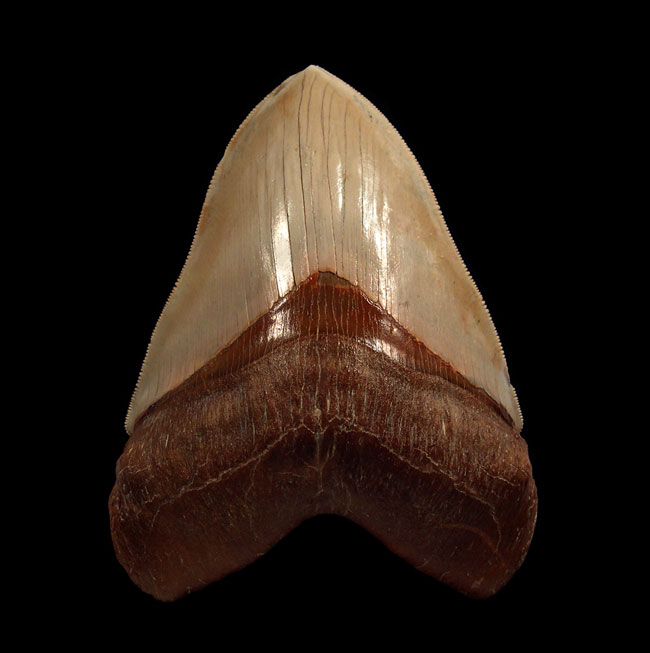
Stretching along the South Pacific, Chile’s fossil-rich coastline offers more than dramatic cliffs and rugged beauty—it tells a story written in stone, sediment, and sea. Beneath the surface of its coastal deserts lies evidence of a prehistoric world, a time when ocean giants ruled the waters and evolution’s milestones were etched into the Earth. Among the most captivating finds from this ancient stretch of land is the largest megalodon tooth ever found, a relic that challenges scale and imagination alike.
Let’s explore what makes Chile’s fossil coastline a true monument to natural history—and how this corner of South America continues to shape our understanding of prehistoric life.
A Prehistoric Treasure Trove in the Atacama
Chile’s Atacama Desert may be one of the driest places on Earth, but its barren beauty hides a remarkable secret. Along the Bahía Inglesa Formation near Caldera, paleontologists have unearthed one of the most diverse marine fossil deposits ever discovered. These formations date back to the Miocene epoch—roughly 5 to 10 million years ago—when this desert landscape was submerged beneath a thriving, nutrient-rich ocean.
Among the marine mammals, seabirds, and ancient fish fossils, the spotlight shines brightest on the megalodon. The discovery of the largest megalodon tooth ever found in this region catapulted Chile into the center of paleontological interest. Measuring over 7 inches in length, this tooth isn’t just a specimen—it’s a testament to the scale of the apex predators that once patrolled these ancient seas.
Understanding the Megalodon’s Reign
The megalodon (Otodus megalodon) was no ordinary shark. Estimates suggest that this prehistoric predator grew up to 60 feet in length, making it the most massive shark species ever to exist. Its bite force is believed to have been powerful enough to crush the skull of a whale, and its serrated teeth—ranging in size from 3 to over 7 inches—reveal a creature built for dominance.
Fossilized teeth are the most common evidence of the megalodon’s existence. Unlike bones, which rarely fossilize, shark teeth are more resilient due to their dense composition and frequent shedding. Over a lifetime, a single megalodon might have produced tens of thousands of teeth, many of which now rest buried in coastal deposits across the globe—including Chile.
What makes the largest megalodon tooth ever found in Chile especially remarkable is not just its size but its completeness and preservation. Its symmetry and color hint at the ideal conditions that helped protect it for millions of years within the coastal sediment.
The Bahía Inglesa Formation: Fossil Gateway to the Miocene
The Bahía Inglesa Formation has become a focal point for researchers, collectors, and enthusiasts alike. This fossil site provides access to an entire ancient ecosystem. Bones of prehistoric whales, dolphins, seals, and seabirds are frequently found alongside the remains of megalodons and other predatory sharks. Together, they sketch the outline of a thriving marine community that existed during the Miocene.
Stratigraphic layers at the site provide a chronological map of evolutionary shifts. They offer data points for changing sea levels, climatic shifts, and migration patterns. Every fossil found is not just an artifact—it’s a chapter in the unfolding narrative of life on Earth.
Among the most fascinating finds here are juvenile megalodon teeth, suggesting that the area may have been a nursery habitat—calm, shallow waters where young sharks could mature before entering open ocean territory. And then, of course, there’s the crown jewel: the largest megalodon tooth ever found, marking the presence of fully grown titans in these same waters.
Fossil Collecting Meets Scientific Curiosity
For collectors and paleontology enthusiasts, the Chilean coastline is a destination of dreams. It is not just the size of the fossils that draws interest, but their color, condition, and context. Fossils from Chile often display earthy hues ranging from caramel to slate gray, shaped by the mineral content of the sediment they fossilized within.
Fossil collecting, when done ethically and legally, bridges the gap between science and personal fascination. Holding a megalodon tooth in your hand is more than a tactile thrill—it’s a moment of connection across time, a piece of history you can touch. And when that tooth measures over 7 inches, like the largest megalodon tooth ever found, the moment becomes unforgettable.
At Buried Treasure Fossils, the mission to bring responsibly sourced specimens to the hands of collectors and researchers remains a driving force. Authenticity, preservation, and educational value are prioritized—ensuring that every fossil offered is both a marvel and a meaningful piece of Earth's ancient story.
More Than Teeth: Chile’s Marine Fossil Legacy
While the megalodon often captures the spotlight, Chile’s fossil sites present a diverse panorama of marine life. Fossils of ancient sperm whales, predatory seabirds with wingspans rivaling small planes, and extinct species of sea lions have all been uncovered here. These remains help reconstruct a time when South America's western coast was one of the richest marine environments on the planet.
This diversity makes Chile a critical site for comparative studies. By analyzing teeth and bones from multiple species found in the same layers, scientists can trace predator-prey relationships, ecological shifts, and even early extinction patterns. The region offers both scale and scope: a vast geological archive packed into relatively accessible terrain.
Why Fossil Collectors Value Chilean Megalodon Teeth
Beyond scientific importance, fossil enthusiasts are drawn to Chilean specimens for their aesthetic appeal and scarcity. Fossils from the Bahía Inglesa Formation are not as widely circulated as those from the East Coast of the U.S. or parts of Morocco, making each find more exclusive.
Coloration, size, and sharpness all factor into the desirability of a megalodon tooth. A specimen like the largest megalodon tooth ever found from this region carries not only record-breaking size but also a sense of narrative—a story buried for millions of years and now shared with those who appreciate it.
Such specimens are often showcased, studied, or preserved in personal collections that double as miniature museums. They are tokens of Earth's ferocious past and emblems of nature’s unmatched design.
Chile’s Fossil Coastline Remains a Living Lab
Chile’s fossil discoveries are far from finished. Ongoing excavations continue to reveal new species and fill in gaps in the prehistoric timeline. As climate shifts and erosion gradually expose deeper layers, paleontologists anticipate further revelations—perhaps more record-setting fossils still hidden in the rock.
Every new find contributes to a growing picture of marine life from millions of years ago. Chile remains a place where science and curiosity walk side by side, where even the most experienced fossil hunter can be surprised by what the land reveals.
Conclusion
From the wind-sculpted cliffs of Caldera to the silent layers of sediment in the Atacama, Chile’s fossil coastline offers a remarkable lens into an ancient world. The discovery of the largest megalodon tooth ever found only begins to express the magnitude of life that once thrived here. For collectors, researchers, and dreamers alike, this landscape continues to inspire awe—and Buried Treasure Fossils plays a part in sharing that inspiration with the world.
Discover authentic megalodon fossils and rare prehistoric treasures—explore the ancient past and start your fossil collection today.






