When entering the fascinating world of fossil collecting, we recognize how essential authenticity and provenance are in every transaction. These two principles guide us in providing fossils that are genuine and responsibly sourced. By keeping authenticity and provenance at the heart of our services, we can give collectors confidence that the fossils they purchase are not only captivating to display but also meaningful in both scientific and historical terms.
Our approach ensures that every specimen carries integrity, allowing collectors to enjoy the connection to ancient life with peace of mind, especially when they decide to buy megalodon tooth specimens for their collections.
Understanding Authenticity and Provenance
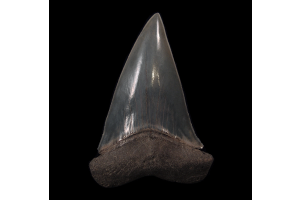
Authenticity refers to whether a fossil is truly what it claims to be. A Megalodon tooth, for example, should display the distinctive features associated with the species, from the heart-shaped crown to the serrated cutting edges and mineralized enamel. These characteristics can separate authentic specimens from replicas or misidentified fossils. Provenance, on the other hand, provides the story of the fossil’s origin.
This includes where it was discovered, which formation it came from, and whether any professional restoration work has been carried out. Together, authenticity and provenance ensure that a fossil’s value goes beyond its appearance, tying it firmly to the history of life on Earth. Without them, a fossil can lose both its scientific significance and its credibility as a collectible item.
The Risks of Overlooking These Principles
When authenticity and provenance are neglected, collectors can face significant risks. One of the most obvious dangers lies in counterfeits and composites. Fossils can sometimes be altered with modern materials or assembled from fragments to create a convincing but false impression. While these pieces may appear impressive, they cannot carry the scientific or historical importance of a genuine specimen. Misidentification is another concern. Even when a fossil is real, it may be incorrectly labeled as belonging to a particular species. A shark tooth from a different lineage might be presented as Megalodon, misleading both collectors and researchers. Fossils with incomplete provenance may also raise questions about their origins. Without clear documentation, it is difficult to verify that a specimen was collected responsibly or that it truly comes from the locality claimed. In addition, the absence of provenance strips the fossil of its geological context, which is often as valuable as the specimen itself.
Megalodon Teeth as an Illustration
Megalodon teeth provide an excellent example of why authenticity and provenance matter so greatly. These fossils, which can measure more than five inches and rarely exceed six, remain some of the most sought-after by collectors. Their distinctive appearance makes them recognizable: serrated cutting edges, a lack of side cusps, and a crown that often takes on a heart-like form. The enamel is fossilized in natural shades such as tan, black, or gray, and the presence of a well-formed root enhances the completeness of the specimen. Authentic Megalodon teeth are impressive both for their size and for their condition, yet their true value rests on the assurance that they are genuine and that their history is transparent.
Provenance plays a major role here. Teeth from sites such as Florida, Georgia, North Carolina, South Carolina, Sharktooth Hill in California, Chile, or Peru each carry distinct characteristics tied to their locality. When this information is included with a fossil, it strengthens its credibility and preserves its connection to the prehistoric environments where these sharks once thrived. Some specimens undergo professional restoration, such as enamel repair, and when this is disclosed clearly, it allows collectors to make informed decisions. Restoration, when minimal and transparent, does not erase authenticity but instead demonstrates honesty in presentation. Guarantees of authenticity further reinforce confidence, showing that sellers stand behind the accuracy of their descriptions.
The rarity of certain Megalodon teeth also highlights the importance of provenance. Specimens from specific sites, such as copper-red finds from the Meherrin River in North Carolina or unusually large examples from Sharktooth Hill, are considered exceptionally rare. These claims of rarity hold meaning only when supported by verified provenance. Without clear documentation, the assertion that a fossil is rare or unique cannot be trusted, which diminishes both its scientific and collectible value. This is why collectors who want to buy megalodon tooth fossils should always evaluate provenance before committing to a purchase.
Evaluating Fossils with Care
For those looking to acquire fossils, a careful approach can make all the difference. Collectors should always request details about a specimen’s locality and stratigraphic context, since these details help confirm provenance. Examining clear photographs can also provide insight into authenticity, allowing features such as serrations, enamel texture, and natural coloration to be observed. Authenticity guarantees offer additional assurance, while transparency regarding any restoration ensures that expectations are clear.
A chain of custody, where available, can give even greater strength to a specimen’s provenance by outlining its journey from discovery to present ownership. Comparing fossils with scientific references or museum examples may further confirm whether the specimen aligns with the characteristics expected of its origin. These steps, taken together, help collectors protect their investments and preserve the integrity of their collections.
Benefits of Prioritizing Authenticity and Provenance
Insisting on authenticity and provenance provides a range of benefits. From a financial perspective, fossils with verified authenticity and documented provenance tend to hold or even increase their value over time. Collectors who invest in such specimens can feel secure knowing that their acquisitions are both respected and trusted within the broader fossil community.
Scientifically, provenance ensures that a fossil retains its role as a source of knowledge. Fossils that are properly documented may contribute to research, exhibitions, or even academic publications, while undocumented pieces often cannot. Finally, there is the confidence that comes with knowing a fossil is genuine. Collectors who acquire fossils with authenticity guarantees and transparent provenance can enjoy their specimens without doubt, fully appreciating their connection to ancient life.
Conclusion
Authenticity and provenance remain the cornerstones of fossil collecting. They safeguard fossils against misrepresentation, preserve their scientific relevance, and ensure that collectors are investing in genuine pieces of Earth’s history. Megalodon teeth illustrate this clearly, as their size, morphology, and rarity mean little without the assurance that they are authentic and responsibly sourced.
By focusing on these principles, collectors can create collections that hold both beauty and meaning, honoring the story each fossil carries from deep time to the present. Fossils are more than striking objects; they are pieces of natural history, and when authenticity and provenance are prioritized, their value and legacy will endure. As one collector wisely put it,
“A fossil without its story is only a stone, but a fossil with its history is a voice from the past.” For those who decide to buy megalodon tooth fossils, remembering this truth will always lead to a more rewarding and trustworthy experience.