

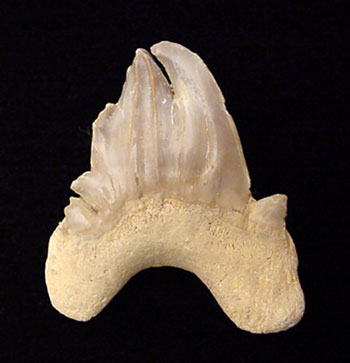
Fossil collectors often seek perfection—but the real prize might be in the imperfections. Pathologic shark teeth, with their twisted shapes and rare deformities, tell deeper stories from ancient oceans. Each one is a natural anomaly, turning fossil hunting into true discovery. That’s why a pathological Megalodon tooth for sale is more than rare—it’s remarkable.
What Makes a Fossil Truly Fascinating?
If you're a fossil collector, you've probably spent hours sifting through ammonites, trilobites, and the occasional Megalodon tooth. But every so often, something grabs your attention and just won’t let go—something rare, mysterious, and visually striking. That’s exactly what pathologic teeth represent. These aren't your average prehistoric finds. They’re nature’s oddities, anomalies born from trauma, genetics, or environmental stress during tooth formation. They are the fossils that make you stop and say, “Now this is special.”
When I first saw a pathological Megalodon tooth for sale, it wasn’t just about its scientific significance. It was about character—raw, twisted, and unapologetically unique. For collectors who crave more than size and perfection, these teeth are nothing short of fossil trophies.
The Science Behind the Deformity
Let’s start with a bit of context. Pathologic teeth, like those from the extinct shark genus Otodus obliquus, don’t get their shape by accident. They are biological records of disruption. These deformations can happen due to injury, infection, developmental issues, or even dietary stress while the tooth was forming. The result? A tooth that twists, splits, compresses, or distorts in ways you wouldn’t expect from typical fossil specimens.
The Khouribga phosphate mining area in Morocco has produced some of the finest examples of these rare teeth. Whether it's a crown split clean down the center or a symphyseal tooth with bizarre compression patterns, each specimen carries a story from over 50 million years ago. That narrative—etched in fossilized enamel and root—transforms it from a collector’s item into a conversation piece.
Display Appeal That’s Hard to Ignore
In a sea of flawless fossilized teeth, a pathologic specimen draws the eye instantly. A split crown or a twisted root isn't a flaw—it’s a focal point. These teeth break the symmetry and shatter expectations, making them ideal for display. They spark curiosity even among non-collectors and often become the centerpiece of fossil cabinets and display cases.
I’ve had friends visit my collection and walk right past the pristine, polished Megalodon tooth, only to zero in on a warped Otodus tooth with a twisted tip. “What happened here?” they ask. That question alone makes the tooth worth having.
The emotional connection with pathologic fossils is deeper than with their symmetrical counterparts. They represent resilience, imperfection, and the unpredictability of nature—values that resonate with many of us more than we might admit.
Authenticity and Natural Condition Matter
One of the biggest concerns collectors face is restoration. Many fossils on the market are repaired, reconstructed, or heavily polished. What makes the Otodus obliquus pathologic teeth from Morocco stand out is their natural completeness—no repair, no restoration, just pure prehistoric reality. The authenticity isn’t just a selling point; it’s part of the fossil’s charm and value.
When you're looking for a pathological Megalodon tooth for sale, or even an Otodus variation, pay attention to authenticity. Natural damage or irregularities that occurred during the life of the animal are what make these fossils rare. Restoration erases that raw history.
Personal Favorites: The Most Unusual Finds
Over time, I’ve developed a preference for the strangest of the strange. Some highlights from my collection and wishlist include:
● A split crown tooth is completely divided down the middle—a rare sight that looks like the shark had two teeth fused into one.
● A twisted tip tooth, where the apex curves unnaturally, making it look more like a medieval weapon than a feeding tool.
● A compressed and dwarfed specimen, unusually squat with a distorted crown that defies symmetry.
These aren't just fossil oddities—they're nature’s version of abstract art. Each one is complete, visually compelling, and scientifically interesting, which is a collector's trifecta.
From Morocco with Mystery
The Khouribga region in Morocco has become the epicenter for pathological Otodus finds. The phosphate beds here have preserved a diverse and extensive fossil record, offering up teeth with split tips, compressed roots, twisted crowns, and more. While the regular Otodus teeth from this area are valuable on their own, it’s the pathologic specimens that elevate a collection from interesting to extraordinary.
The fossil market sees waves of interest in Moroccan teeth every time new batches arrive—typically announced a few times a year. When listings say “adding 14 Otodus obliquus teeth in November,” seasoned collectors take note. That’s when the real gems often surface.
A Collector’s Joy: Rarity and Storytelling
The appeal of collecting is rooted not just in ownership but in the storytelling that comes with each item. And no fossil tells a better story than a pathologic tooth.
Imagine explaining that your twisted Otodus tooth wasn’t damaged after fossilization—it was formed that way. Imagine showing a guest a split crown and revealing that it came from a shark that lived through a jaw injury, perhaps from a violent encounter with prey or a rival predator. These are not just teeth; they are silent chronicles of survival and adaptation.
That’s part of why I keep searching for a pathological Megalodon tooth for sale. It’s the ultimate piece: massive, ancient, and biologically rare.
Why These Teeth Deserve a Spot in Your Collection
If you’re a serious collector or just getting started, pathologic shark teeth should be on your radar. Here’s why:
● Scientific Interest: Each one provides a real-world example of paleopathology—teaching us about how ancient sharks coped with environmental stress, injuries, and genetic quirks.
● Display Worthiness: Their unusual shapes are natural attention-grabbers. No two are the same, and they stand out in any fossil display.
● Rarity: While millions of shark teeth have been unearthed, only a small fraction show true pathological features. That makes them valuable in both the scientific and collector communities.
● No Restoration Needed: Most specimens from Morocco are sold in their original, unaltered form—an increasingly rare trait in fossil markets.
● Emotional Resonance: These teeth embody struggle and survival, imperfection and endurance—making them not just collectible, but meaningful.
Final Thoughts
For many of us, collecting fossils isn’t just about finding the biggest or most perfect specimen. It’s about the narrative—the story embedded in stone. Pathologic teeth are rare, raw, and rich in prehistoric context. From twisted tips to compressed crowns, each specimen is a moment frozen in deep time.
If you're in the market for something truly special, keep an eye out for a pathological Megalodon tooth for sale or even a twisted Otodus piece from Morocco. You’re not just adding a fossil to your shelf—you’re adding a one-of-a-kind story to your collection.
And in the world of fossil collecting, that’s the real trophy.






