

The Megalodon, often called the king of ancient seas, is one of the most fascinating sharks to ever live. This giant predator ruled the oceans for millions of years before going extinct. But what if it didn’t? What if the Megalodon still existed today? This question sparks the imagination of many shark lovers, collectors, and scientists. It’s thrilling to think about how our oceans and our world might look if this ancient giant still swam beneath the waves.
In this blog, we’ll take a deep dive into the possibilities, from the impact on the food chain to how we might interact with such a powerful creature. If you’re someone who loves collecting fossils, especially an authentic megalodon tooth, you’ll find this journey into “what if” both exciting and thought-provoking.
Understanding the Megalodon
Before we imagine today’s world with a living Megalodon, let’s take a quick look at what we know about it. The Megalodon lived around 23 to 3.6 million years ago. It was the largest shark ever to live. Scientists believe it could grow over 60 feet long. That’s about three times the size of a great white shark!
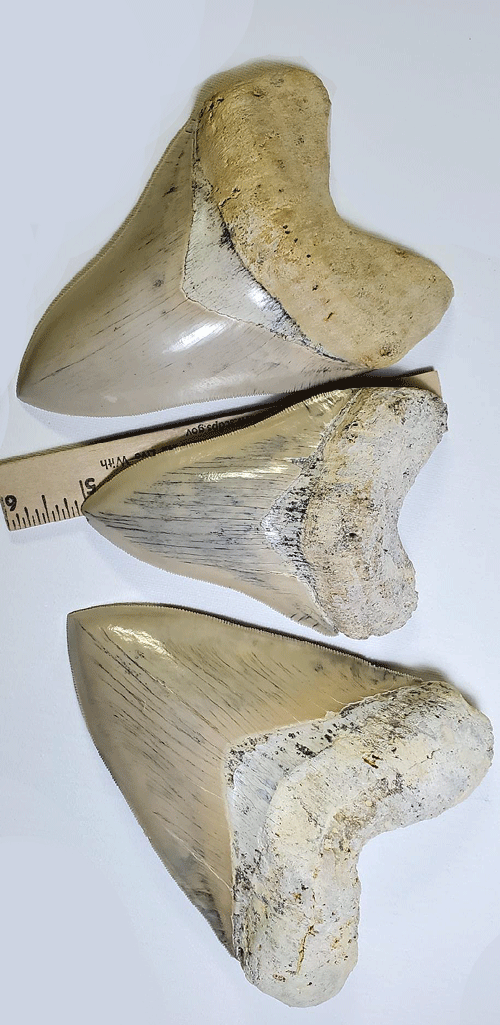
The Megalodon had massive jaws with over 250 teeth. Each tooth could be up to 7 inches long. That’s longer than your hand. These teeth were built to crush bones and tear through thick skin. It ate whales, large fish, and even other sharks.
Would It Still Roam the Same Waters?
If the Megalodon were still alive, would it swim in the same oceans we know today? Most likely, yes—but not everywhere. This shark liked warm, shallow waters. So tropical and temperate oceans would be its favorite hunting grounds. Coastal regions might become danger zones. Beaches in Florida, Australia, or Mexico could be places we’d avoid.
Shipping lanes would also change. Cruise ships and cargo boats might need special routes. Governments could even set up "Megalodon Watch" teams. Imagine lifeguards scanning the water not just for jellyfish or sharks—but for something 60 feet long with teeth the size of bananas.
The Marine Food Chain Would Be Wild
One of the biggest changes would be in the food chain. The Megalodon was an apex predator, which means nothing hunted it. It was at the top. Today, whales are at the top of the food chain. But if Megalodon still existed, whales would be on its menu again.
This would cause a big shift. Whale populations might shrink. Other predators, like orcas and great whites, would either move or compete for food. That could cause fish populations to either drop or rise, depending on the area. Coral reefs and other sea life could change a lot.
And it wouldn’t stop in the water. If fish numbers went down, human fishing industries would take a hit. Seafood prices could go up. Some fishing zones might even close to keep boats safe from giant jaws.
Would We Try to Catch One?
Here’s where it gets even more exciting. If Megalodons existed today, would we try to capture one? Would aquariums want one on display? Would scientists try to tag and track them? Perhaps, no one would look for an authentic megalodon tooth, which is in demand in today’s time.
Catching a Megalodon would be nearly impossible. You’d need a ship the size of a battleship. Its strength and size would break most nets or cages. It could snap steel cables like twigs. Even tagging one would be risky. One swipe of its tail could destroy a boat.
Still, people might try. Governments could fund ocean research projects. They might send drones or submarines to study them safely. Hollywood would love it. Think of all the documentaries, movies, and YouTube videos people would watch.
Would We Ever Be Safe in the Water?
Let’s face it—swimming would be a very different experience. Today, most people don’t worry much about sharks at the beach. But if Megalodon still lived, it would change everything. Beaches might have to install underwater barriers. Drones could fly over the water to watch for any signs of something big.
Tourism in beach towns might go down. Surfing, diving, and snorkeling could become rare hobbies. People would think twice before jumping in. Even lifeguards might need extra training or tools to keep swimmers safe.
Could We Use Technology to Coexist?
Luckily, technology has come a long way. If Megalodon still existed, we might use sonar, underwater cameras, and tracking devices to understand their behavior. Ships could have sonar alarms. Beaches could post real-time updates. We might even build underwater stations to study them from a safe distance.
Marine parks could use deep-sea drones to send back footage. Kids could watch Megalodon videos in school science classes. Scientists might create virtual simulations to help people understand how they lived and hunted.
All of this could help us learn how to live in the same world as a predator from the past.
Could We Own an Authentic Tooth from a Living Megalodon?
Now, here’s a fun thought for collectors: If the Megalodon still roamed the oceans, could we own one of its teeth? Since their teeth fall out often (like other sharks), people might find them on the seafloor. But imagine how rare and exciting that would be!
Diving for a fresh and authentic Megalodon tooth would be dangerous, but fossil divers would likely try. Prices for these modern teeth could skyrocket. A brand-new Megalodon tooth could sell for more than gold. Museums and collectors would pay thousands.
Of course, owning a fossilized Megalodon tooth is safer—and still just as thrilling. That’s why many collectors search for an authentic tooth to add to their display cases. At our store, we make it easy to explore our real collection. We don’t deal in fakes like some third-party websites. When you buy from us, you get a tooth that was part of a real ancient giant.
Why We Love the Megalodon
Even though it’s gone, the Megalodon still captures our imagination. It was powerful, mysterious, and massive. Whether it’s watching movies like The Meg, reading science books, or collecting fossils, people can’t stop thinking about it.
And maybe that’s the point. The Megalodon doesn’t need to exist today for it to be part of our world. Its teeth tell the story. Each fossil is a reminder of the deep past. When you hold an authentic tooth, you’re holding a piece of history. You’re connecting with a time when giants ruled the sea.
Final Thoughts
If Megalodon still existed today, the world would be very different. Oceans would be more dangerous. Shipping routes would change. Science and tourism would shift. But the wonder and thrill we feel about this shark would be even stronger.
Luckily, we don’t need to risk our lives to feel that excitement. We can explore our collection of authentic Megalodon teeth right from home. Whether you're a new collector or a lifelong enthusiast, owning one of these real fossils lets you connect with one of nature’s greatest predators.
So the next time you wonder, what if Megalodon still lived, remember—you can still hold its story in your hands. All it takes is investing in an authentic tooth. And we’re proud to help you find one that’s 100% real.






