

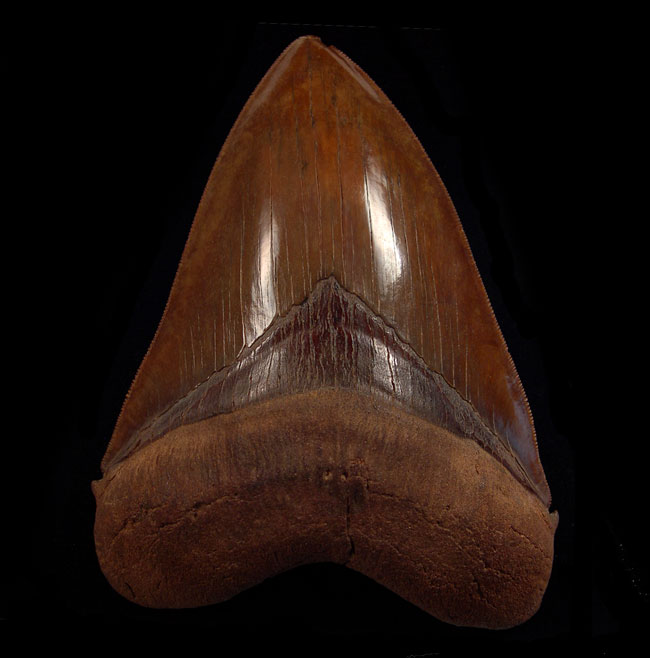
If you’ve ever walked along the beaches of North Carolina and spotted a large, triangle-shaped tooth buried in the sand, you might have just discovered something truly ancient—a megalodon tooth. These massive fossilized teeth are more than just beach treasures. They are clues to the past. But why do so many of them wash up on North Carolina shores? Let’s dive in.
A Prehistoric Predator and Its Teeth
Millions of years ago, the oceans were ruled by a giant shark called Otodus megalodon. This predator could grow over 50 feet long. It had a mouth filled with huge, serrated teeth. One tooth could be over 7 inches long!
The megalodon didn’t just have big teeth—it had thousands of them. Like modern sharks, it constantly sheds old teeth while growing new ones. Over a lifetime, a megalodon may have lost tens of thousands of teeth. These teeth dropped to the ocean floor, where many got buried by sand and sediment.
Why the Coast of North Carolina?
Now let’s talk about why so many megalodon teeth are found in North Carolina, especially in places like the Meherrin River and beaches near the Outer Banks. The answer lies beneath the surface in the region's geology.
North Carolina has special layers of sediment from two important time periods: the Miocene and the Pliocene. These layers are found in the Pungo River Formation and the Yorktown Formation. These formations are full of marine fossils, including megalodon teeth. Over millions of years, rivers and erosion slowly bring these fossils closer to the surface. Then, storms, tides, and waves carry them to the beach.
This mix of ancient marine deposits and coastal activity makes North Carolina a hot spot for fossil hunting. If you are looking for a megalodon tooth in North Carolina, you are searching in one of the best places in the world.
How Do the Teeth Get to the Beach?
Fossilized teeth don't just float to the surface. They’re lifted and moved by natural forces over time. Here’s how it happens:
1. Erosion: Rivers and rainfall wear down the ground. They uncover fossil layers deep underground.
2. Water Movement: Streams and rivers carry the exposed fossils toward larger bodies of water.
3. Tides and Waves: Strong ocean currents, especially during storms or hurricanes, stir up the seafloor and push fossils toward the shore.
North Carolina’s rivers, like the Meherrin, are especially known for their fossil deposits. Fossil hunters often dive into these waters to look for treasures. This is also where our most prized find—copper red Megalodon tooth—comes from.
What Makes Copper Red Megalodon Teeth Special?
Not all megalodon teeth are the same. Some are dark black. Some are tan. But some have a rare and beautiful copper red color. These are incredibly hard to find. They’re found mostly in the northern part of North Carolina, especially near the Meherrin River.
At Buried Treasure Fossils, we are proud to offer this exceptional North Carolina - Copper Red Megalodon Tooth. These fossils are from the Miocene Pungo River and Pliocene Yorktown formations. They are some of the rarest and most beautiful megalodon teeth you can find. These teeth are not restored or repaired. They are near museum quality—perfect for collectors who want something truly unique.
Due to their color and rarity, they are highly sought after by shark tooth collectors all over the world. Try finding another Megalodon tooth with such striking copper red tones—it’s no easy task!
Why Are These Teeth So Well Preserved?
The conditions in North Carolina’s fossil layers are just right for preserving fossils. Over time, minerals in the water slowly replaced the organic parts of the teeth. This process, called mineralization, turns them into stone while keeping their shape and details.
The result? Strong, sharp, and often colorful fossil teeth can last millions of years underground. That’s why many of the megalodon teeth found here are still in great condition when they finally wash ashore.
What Makes Them Wash Up Now?
Some people wonder, “Why are these teeth showing up now, after millions of years?” It’s a great question.
The truth is, these fossils have been buried for ages. But natural changes, like shifting riverbanks, hurricanes, or beach erosion, can expose them suddenly. When a big storm hits the coast, it moves large amounts of sand and dirt. This can reveal hidden fossils and bring them right to the surface.
Also, human activity like dredging or digging can accidentally uncover fossil-rich layers. But most of the time, it’s Mother Nature doing the work.
Finding Your Own Megalodon Tooth in North Carolina
If you ever visit North Carolina, especially the eastern shorelines or rivers in the northeast, bring a sharp eye and a little patience. You might just find a tooth that’s been waiting millions of years to be seen.
Here are a few tips:
● Look after storms. That’s when the waves bring up deep layers of sand.
● Search near river mouths and sandbars. These areas often collect heavier objects like fossils.
● Go early. The best finds often happen in the morning before others arrive.
And remember, some of the best places to find teeth are underwater. Many fossil hunters dive or snorkel in rivers like the Meherrin to search for their next big discovery.
Want One Without Getting Wet?
Of course, not everyone can dive into a river or scour a beach at dawn. If you're looking to add something rare to your fossil collection, we invite you to explore our collection of copper red Megalodon teeth from North Carolina. These fossils are hand-selected for quality and color. Every tooth we offer is genuine, unaltered, and stunning.
Our No. Carolina - Copper Red Megalodon Tooth is from the final supply of this incredible find. This is among the last quality specimens available, and we’re proud to offer it to fellow enthusiasts. So, if you’re ready to own a piece of prehistoric history, don’t miss this chance. This is not just a shark tooth—it’s a relic from one of the greatest predators to ever swim our oceans.
Final Thoughts
North Carolina is one of the best places in the world to find a megalodon tooth. From rivers to beaches, these ancient treasures continue to wash ashore thanks to a mix of geology, time, and natural forces. The copper red Megalodon tooth found here is among the rarest you’ll ever see.
Whether you’re hunting for one yourself or looking to add one to your collection, these teeth carry the awe of the ancient world. Explore our site to see the current offerings before they’re gone for good. Because once this rare supply is gone, it may be many more millions of years before the ocean gives us another surprise.
Let your fossil journey begin with something truly unforgettable.






