

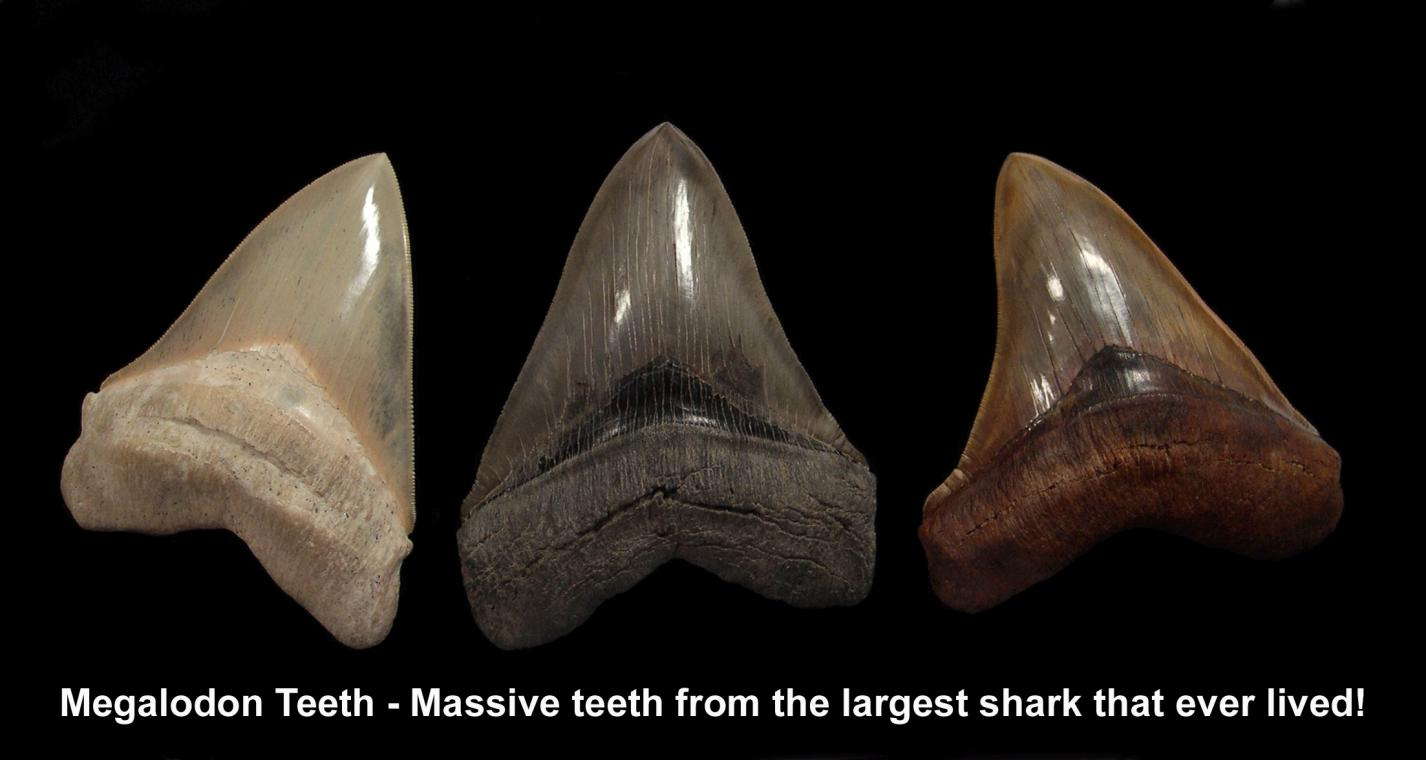
It’s one thing to find a fossilized shell or fish scale, but quite another to uncover a relic from the jaws of a long-extinct giant. Megalodon teeth—those palm-sized, serrated wedges—aren’t simply reminders of a colossal predator. They're stories locked in stone, whispering across eras, shaping scientific curiosity, and stirring the dreams of collectors. For many, these teeth are a bridge between our present world and a marine past that few can imagine.
Right at the heart of this intrigue lies a common curiosity: the worth of a megalodon tooth. That single question—asked with a mix of wonder and investment interest—often uncovers more than a price tag. It introduces people to a realm where geology meets art, science meets mystery, and nature’s ferocity meets the calm of fossilized remains.
Let’s take a deeper look.
What Makes a Megalodon Tooth So Captivating?
To appreciate the fascination, it helps to understand the magnitude of the megalodon itself. Estimated to grow up to 60 feet long, this predator reigned supreme over prehistoric oceans. Its teeth could reach over 7 inches in length, width, triangular, and finely serrated. The visual alone is gripping.
But there’s something deeper than size at play here. These teeth aren’t replicas or cast molds. They are the real thing—fossilized records of a creature that hasn’t swum in our oceans for more than 3 million years. Holding one feels like shaking hands with the past.
Collectors, educators, and everyday fossil lovers are drawn not only to the tooth’s shape and sheen, but to its narrative. Where did it fall? What happened in that moment of separation? How long was it buried before daylight found it again?
Rarity Isn’t Always Obvious
Contrary to what one might think, megalodon teeth aren’t impossibly rare. Certain regions, such as the coastal rivers in South Carolina or the open waters off the coasts of North Carolina and Florida, have proven to be fruitful hunting grounds. Divers have retrieved them from beneath layers of silt and sediment, occasionally in clusters.
Still, rarity depends not only on quantity, but also on condition, size, color, and origin. A heavily worn, chipped tooth may still be fascinating, but it won’t command the same admiration—or price—as a tooth that looks as if it were snapped from the jaw yesterday. Jet black hues, orange tinges, and even bluish casts add character and increase desirability.
Some have even formed elegant serrations, remarkably intact, making them worthy of a museum. Others, fossilized in unusual hues or patterns, are deemed exceptional by collectors for their visual intrigue alone.
The Many Paths of a Tooth
Once retrieved, these fossil teeth take varied journeys. Some pieces are housed in private collections, displayed under glass domes or mounted in shadow boxes. Others end up in academic settings, where they are used to educate students on marine biology, extinction, and paleontology.
Artisans also use them, transforming them into striking pendants and decorative pieces. And for some divers, the discovery of one on the seafloor becomes a turning point—igniting lifelong passions and new professions in fossil hunting.
Their versatility in both science and art adds a unique layer of appeal. These aren’t fossils you simply store away; they’re conversation starters, focal points, even investments.
Factors That Shape the Value
By now, many are asking: what defines the price of such a tooth?
The most obvious aspect is size. A megalodon tooth over 6 inches is instantly more valuable, as these are scarcer. But beyond that, sharp serrations, root condition, symmetry, enamel preservation, and even where it was found all matter. Teeth from Peru or Chile, for example, can exhibit striking coloration, making them highly sought after despite being slightly smaller.
Then there’s the audience. Some buyers are seasoned collectors with a keen eye for condition, while others are new to the world of fossils, drawn simply by the allure of the mystique. For both, the purchase is less about cost alone and more about emotional pull.
Why We Keep Looking
The megalodon hasn’t swum Earth’s oceans for millions of years, but the fascination hasn’t faded. Part of this can be attributed to pop culture, with films and documentaries reigniting interest. But part of it is deeply human—our desire to connect with what came before us.
Every megalodon tooth has a story. Some speak of harsh marine battles. Others simply fell during feeding, settling gently into the seabed. Regardless of origin, each one feels like a message preserved through time, passed hand to hand across centuries.
This might explain why people from all walks of life—whether students, divers, collectors, or curious homeowners—are drawn to these fossils. It’s not about their monetary value alone; it’s about owning something that nature herself sculpted over millions of years.
Investing in Prehistoric Stories
In recent years, as more people have turned toward collectibles that blend aesthetic beauty with historical weight, fossilized megalodon teeth have drawn attention. They're no longer seen solely as scientific specimens; they're becoming thoughtful, tangible investments.
Some buyers frame them alongside detailed origin notes. Others commission jewelry or incorporate it into curated displays. The mix of organic material, age, and artistry creates an undeniable charm.
Whether discovered buried under ocean sediment or displayed in a private library, these relics never cease to evoke questions—Who were these creatures? What else have we not uncovered?
A Gentle Reminder from the Ocean’s Past
Toward the end of your exploration—whether you’re researching, collecting, or simply admiring—you may come across that age-old curiosity once more: megalodon tooth worth. The answer, in its truest form, depends on far more than market estimates. It’s rooted in the tooth’s story, its preservation, and its journey from the ocean floor to your hands.
The legacy of the megalodon continues—not only in museum halls or film scripts but in these fossilized fragments that reach us quietly, yet profoundly.
Ready to Start Your Fossil Journey?
If you're considering adding one of these historic treasures to your own collection, now is a perfect moment to begin. Explore carefully curated options, learn the stories behind each find, and choose the piece that speaks to you.
Your next chapter in fossil discovery could begin with the right tooth—preserved through time, waiting for the right home.






