

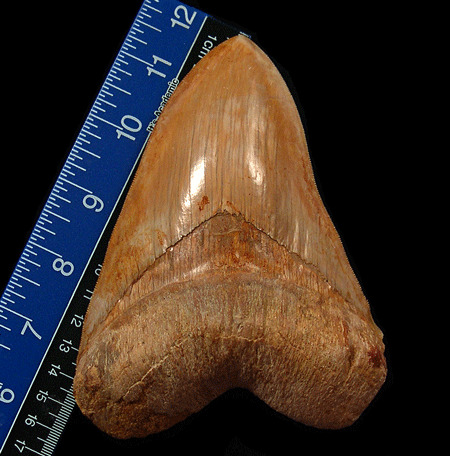
When it comes to prehistoric marine predators, few capture the imagination like the Megalodon. This colossal shark, which roamed ancient oceans between 4 and 20 million years ago, remains an awe-inspiring symbol of nature’s raw power. While its actual size continues to be debated, fossilized teeth provide one of the clearest glimpses into its immense scale. For fossil collectors and marine enthusiasts alike, Megalodon teeth represent not only a piece of natural history but also a tangible connection to an apex predator long vanished from our seas.
These enormous teeth are remarkable fossil finds—but what distinguishes them is their astonishing size when compared to the teeth of contemporary sharks. At lengths reaching up to three times those of the teeth from today’s great white shark, they prompt a fascinating inquiry: just how large is a megalodon tooth, and what elements influenced their gigantic size?
The Power Behind the Bite: Evolution’s Design for Dominance
Megalodon wasn’t just another shark—it was a predator built for supremacy. Its teeth needed to do more than simply catch prey; they had to crush bones and pierce thick layers of blubber. Each tooth, broad and triangular with fine serrations, was engineered by nature to deliver devastating force. These functional features made them highly efficient at dispatching large marine mammals, such as whales and seals.
It’s no wonder then that these teeth evolved to be massive. The size of the shark itself—estimated at over 50 feet in length—demanded equally significant tools. Teeth acted like evolutionary weapons, allowing Megalodon to dominate its ecosystem with little competition.
And this brings us to a common question among collectors and enthusiasts: how big is a megalodon tooth when compared to those of modern sharks? The answer lies not only in biology but also in the fossil record—and the results are astonishing.
How Size Is Measured and Why It Matters
When we evaluate the size of a Megalodon tooth, we use the “slant height” measurement. This is taken from the tip of the crown to the longest root edge, providing a consistent method for assessing and comparing fossil specimens. Most Megalodon teeth fall within the 4- to 5-inch range, while anything over 6 inches is considered exceptionally rare.
These measurements are more than numbers—they directly reflect the scale of the animal and the conditions in which it thrived. By understanding how these sizes correlate with fossil distribution and tooth morphology, we gain insight into the life and hunting strategies of Megalodon itself.
Are 6-Inch Megalodon Teeth Common?
The short answer? No. While not as elusive as the legendary 7-inch teeth, 6-inch specimens are far from ordinary. Their rarity has helped drive up value in the fossil market, with collectors actively seeking out premium examples featuring sharp serrations, full root structures, and pristine enamel.
At Buried Treasure Fossils, we offer only carefully selected Megalodon teeth that meet our strict quality standards. These specimens are free from excessive wear or artificial restoration, ensuring their authenticity. Each fossil is a testament to the incredible legacy of a long-extinct predator—and an exceptional addition to any serious collection.
Why Modern Sharks Can’t Compete
Even the great white shark, which is often portrayed as the Megalodon’s modern-day cousin, falls far short when it comes to tooth size. A large great white might sport teeth just over 2 inches long—dwarfed by Megalodon’s massive fangs. This stark contrast highlights not only the size difference between the species but also the evolutionary gap in their feeding habits and prey types.
The megalodon required oversized teeth to match its oversized prey, which included large whales and sea turtles. Modern sharks, while still formidable, have evolved to fit different ecological niches that don’t require the same scale of dental weaponry.
The Rarity and Value of Larger Teeth
As with any collectible, rarity drives value—and Megalodon teeth are no exception. A 6-inch tooth in excellent condition can command thousands of dollars on the fossil market. This is due not only to its size, but also to its condition and historical authenticity. Collectors often prioritize teeth that are free from “river polish,” breaks, or enamel peeling.
Some key factors influencing value include:
● Size: Larger teeth naturally fetch higher prices.
● Condition: Complete roots and intact serrations are ideal.
● Color: Fossils found in different regions can exhibit striking hues, adding aesthetic appeal.
● Authenticity: Teeth without restoration are more valuable than reconstructed specimens.
A Window Into Prehistoric Oceans
For those of us passionate about marine paleontology, Megalodon teeth aren’t just collectibles—they’re portals to an ancient world. Each tooth offers a glimpse into the anatomy and life cycle of one of Earth’s most formidable predators. Whether it’s the bourrelet near the root or the perfectly preserved serrations, these fossils are brimming with scientific and historical significance.
We take pride in offering collectors the chance to own something scarce and remarkable. These teeth are not mass-produced novelties—they’re artifacts of a world where marine giants ruled the oceans.
What to Look for When Buying a Tooth
If you’re considering acquiring one of these remarkable fossils, here’s what you should look for:
● Correct Size Measurement: Always verify slant height.
● Minimal Wear: Excessively worn or polished teeth lose value.
● Natural Appearance: Beware of restored or artificially enhanced specimens.
● Reputable Source: Buy from trusted sellers who offer guarantees and provenance.
Each specimen we feature is thoroughly vetted for quality and integrity, ensuring your confidence in its origin and condition.
Final Thoughts: Size, Rarity, and the Collector’s Dream
In the world of fossil collecting, few items are as thrilling to discover as a large, intact Megalodon tooth. So, how big is a megalodon tooth? While most range from 4 to 5 inches, it’s the rare 6-inch and larger teeth that capture the imagination—and drive collector demand.
Their value lies not only in their size but also in their authenticity, condition, and the story they tell. A premium Megalodon tooth is more than just a fossil—it’s a piece of history, a conversation starter, and a testament to one of the most powerful predators that ever lived.
If you’re ready to dive into the world of fossil collecting or add a prized piece to your collection, contact us today to explore our selection of high-quality Megalodon teeth and start your prehistoric journey with confidence.






