

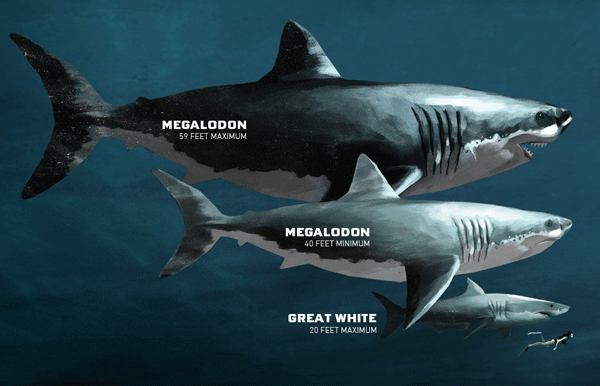
Collectors often stand at a crossroads when deciding between a Megalodon tooth and a Great White shark tooth. Both carry incredible appeal and deep history, yet each attracts a different kind of collector. Some seek visual impact, while others value rarity or evolutionary significance. To make an informed choice, you need to understand what drives the current fossil market. Buyers care about more than size. They look for meaning, investment potential, and authenticity. This comparison aims to guide you by highlighting what matters now in the debate over the megalodon vs. great white tooth.
Let’s explore more detailed information:
Today’s Buyers Want More Than Just Fossils
Buyers today search with purpose. They want fossils that do more than sit on a shelf. Many individuals pursue specimens that reflect their personal interests or offer long-term growth in value. Collectors tend to favor pieces with strong provenance and distinctive features. As of this year, Megalodon teeth have drawn considerable attention. Their massive structure, combined with layered coloring and intact root lines, attracts serious fossil hunters. Teeth over five inches often disappear quickly from listings. Great White teeth also continue to hold value, particularly when they showcase sharp serrations and symmetrical form.
Demand Follows Presentation and Source Quality
Market demand shifts in response to availability and presentation. Sellers notice quick movement on high-grade Megalodon teeth that come from rivers in Chile, South Carolina, and Florida. Color patterns and preservation matter more than ever. Collectors gravitate toward pieces with solid enamel and visible bourlette. In contrast, Great White shark teeth gain popularity in themed collections or as entry-level acquisitions for new fossil buyers. Their connection to living sharks adds educational value. As display pieces, they deliver appeal through clean symmetry and their compact, manageable size.
What Sets These Teeth Apart in Shape and Size?
When comparing these two types of teeth, it is essential to look beyond aesthetics. Think about size, condition, and origin. Megalodon teeth clearly make a striking visual impact. Their sheer scale makes them stand out in any collection. Most reach lengths between four and seven inches. That alone boosts their desirability. Great White teeth measure smaller but often display tighter, more defined serrations. They reflect a more recent chapter in shark evolution. This makes them ideal for collectors who want contrast or prefer pieces tied closely to the modern marine timeline.
Pricing Tells Its Own Story
Pricing also plays a critical role. Megalodon teeth generally fall into higher price brackets, especially when they retain full enamel, tip integrity, and strong root preservation. Rarity drives the price up further, particularly for specimens extracted from locations that are no longer accessible. Buyers often treat these as long-term fossil investments. Great White teeth, although more affordable, also present buying opportunities for serious collectors. Specimens with unique wear marks or location-specific features often climb in value. These teeth serve as innovative additions to both starter and advanced fossil collections.
Collectors Expect Provenance and Authenticity
Authenticity stands as a non-negotiable factor. Buyers seek assurance. They want to know the story behind the tooth—collectors value context, whether the tooth came from a recognized dig site or a historic riverbed. Teeth from reputable fossil layers carry added weight. Megalodon teeth often come with detailed recovery notes and historical context. Great White teeth sometimes offer less documentation but compensate with visual sharpness and variety in form. Experienced buyers recognize these differences and weigh them accordingly when making a purchase.
Current Trends Point to Continued Megalodon Momentum
This year, Megalodon teeth have maintained strong momentum in the fossil market. Collectors continue to focus on pieces with bold shapes, glossy finishes, and deep color bands. Demand increases especially for large specimens free from feeding damage. These traits push them into the spotlight as centerpiece fossils. Great White shark teeth, on the other hand, see steady interest from collectors who enjoy building evolutionary sets or showcasing comparative displays. The smaller size allows for creative presentation, often alongside vertebrae or other marine relics.
Buyer Behavior Reflects Collection Experience
In terms of repeat purchases, Megalodon teeth win attention among advanced collectors. Their variations in color, shape, and source location provide endless possibilities for expansion. Many build themed sets based on size progression or dig origin. Great White shark teeth find favor among educators, gift buyers, and first-time fossil seekers. Their price range makes them more accessible. They also inspire interest in marine biology and shark anatomy, which adds meaning to their presence in a collection.
Fossils Must Look the Part on Display
Display appeal carries weight in today’s fossil buying decisions. Collectors no longer tuck fossils away in drawers. Instead, they mount them in frames or place them under lights. Megalodon teeth shine in this regard. Their serrated edges and curved form create visual drama. Their size alone draws attention. Great White teeth, while smaller, offer balance. Their sharp tips and clean geometry provide a structured, refined look that works well in both personal and public fossil displays.
Know Your Purpose Before You Pick
If you stand unsure about which direction to take, consider your collecting goals. Do you want to own a tooth that dominates in size and history, or would you rather feature a specimen that reflects present-day connections and sharp design? The megalodon vs. great white tooth question becomes easier when you consider your space, intent, and appreciation for detail. Both choices hold merit. Both carry stories worth telling. Your decision should match your collection’s purpose.
Every Collector Follows a Unique Path
You don't need to rush this decision. Instead, weigh what excites you most about collecting fossils. If a massive prehistoric relic speaks to you, choose a Megalodon tooth. If a sharp, modern connection draws you in, a Great White tooth will satisfy your curiosity. Regardless of your selection, ensure that the specimen aligns with your interests, budget, and vision. Both teeth bring value. Both enrich collections in different ways. The right choice always starts with your passion.
Details Make the Difference in Fossil Selection
As collectors continue to share their finds and refine their fossil displays, the demand for both Megalodon and Great White tooth stays active. Buyers who understand what sets each tooth apart gain the advantage. Those who explore details such as location, wear, and natural form make more informed purchasing decisions. Fossil collecting rewards patience and knowledge. Whether you seek a bold statement or a precise slice of evolutionary history, you hold the choice in your hands. Let that decision reflect your unique path in collecting. Those interested in comparing the megalodon and great white shark teeth often discover that both options serve different needs within a well-rounded fossil display. Your vision defines what belongs in your collection. Your eye for detail shapes its strength.
Footnote
Every fossil carries a unique timeline. Select the one that resonates with your story and brings meaning to your collection.






