

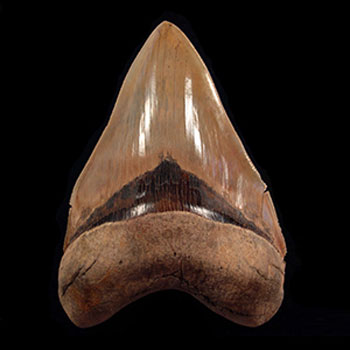
Many collectors often ask this question. What does a meg tooth cost today? You deserve a clear answer. These ancient fossils offer more than visual appeal. They carry deep history and hold substantial market value. Most buyers want to know the real price, not a vague guess. You can find megalodon teeth for as low as $30 or as high as $10,000. That range may seem wide, but each tooth holds a different story. The megalodon tooth price depends on several factors, and before choosing your fossil, it's essential to understand how size, condition, and source impact what you pay.
Let’s explore more detailed information:
Understand What Drives Meg Tooth Prices Today
Size remains the most visible factor in determining price. When you compare a small tooth with a six-inch one, the difference is immediately apparent. Larger specimens hold more value because collectors know their rarity. A 2 to 3-inch tooth may sell for $40 to $100. Mid-sized teeth, measuring between 4 and 5 inches, typically fall within the $200 to $600 price range. If you see a clean tooth measuring over 6 inches, you can expect it to reach or even exceed $1,000. Bigger teeth create higher demand and push prices upward.
How Tooth Condition Directly Affects Market Value?
Condition plays a vital role after size. Buyers prefer teeth with sharp edges, clear enamel, and a whole root. A chipped or cracked tooth loses value, even if it appears large. When a tooth holds its serrations and tip, it brings higher offers. Collectors always check the condition closely. Two teeth of the same size can sit in completely different price categories based on their shape. Natural preservation draws attention. Clean structure often beats size when you compare two similar fossils side by side.
What Tooth Color Tells You About Value?
Color adds personality and uniqueness to each fossil. A collector who finds a black or marbled gray tooth usually knows the value goes beyond the shape alone. The fossil’s environment helps form these colors. Areas with high mineral content create stronger tones. Teeth with glossy enamel and deep contrast often rank higher. When you see a tooth with creamy or dark tones and clean lines, that piece likely sits at the higher end of the price spectrum. Color helps set the best examples apart.
How Fossil Location Affects Price and Scarcity?
You should pay close attention to the origin of the fossil. Different regions produce different preservation levels. North Carolina teeth exhibit a reliable structure and fall within the mid-price range. South Carolina rivers create darker and smoother surfaces. Florida finds tend to be more common, but some show signs of wear. The megalodon tooth price often reflects these regional differences, especially when preservation quality varies. Teeth from Chile and Peru attract serious interest because collectors are aware that they face stricter laws regarding the collection of fossils. These laws make export difficult. If you come across a perfect Chilean tooth, it may carry a much higher price.
The Importance of Authenticity in Tooth Buying
Authenticity builds trust and affects long-term value. You need to ask whether the tooth underwent any repairs. Sellers sometimes apply filler to cracks or replace broken roots. Restored teeth still hold value, but typically less than those that are untouched. Always check the listing. A good seller explains what restoration, if any, the tooth received. You can spot signs in uneven texture or differences between the enamel and root. Buyers who value original fossils typically walk away from restored ones unless they are fully aware of the details.
Price Examples Based on Real Fossil Listings
Let’s explore real examples to make pricing easier to understand. A 2.8-inch tooth in fair condition might sell for $90. A 4.5-inch specimen with defined serrations and a clean shape from South Carolina could cost around $450. Now picture a 6.1-inch Chilean fossil with zero repairs and excellent enamel. That one may sit near $1,800 or higher. You can always determine what makes a tooth more expensive by examining its features. Price follows structure, origin, size, and condition. No two pieces match exactly.
What Market Shifts Mean for Collectors and Buyers?
Fossil prices change over time. More people now want megalodon teeth, but fewer fresh fossils enter the market. Regions that once produced large volumes have slowed down. Regulations and supply limits shrink availability. Serious collectors are aware of this and move quickly when they find strong pieces. Buyers who follow the market recognize how value shifts. Sellers now keep prices realistic, but top-quality pieces rarely stay available for long. When demand grows and supply remains low, prices adjust naturally without any pressure or gimmicks.
Which Tooth Fits Your Budget and Collecting Goals?
Each buyer approaches this market with a different mindset. If you want to start a collection, focus on teeth under $100. These fossils offer genuine age and history without breaking your budget. Mid-level buyers typically seek fossils that are 4 to 5 inches in size, combining both size and structure. Their prices range from $200 to $600. Collectors who want standout items go after the largest or rarest teeth. They often pay $1,000 or more for pieces with sharp edges and deep color.
Simple Pricing Breakdown for Fast Comparison
Here is a simple pricing guide to help you plan your budget. Teeth between 2 and 3 inches in length with worn features usually cost between $30 and $90. If you want a better shape and size between 4 and 5 inches, you’ll likely spend between $200 and $500. Larger fossils above 6 inches in excellent shape often fall between $1,000 and $5,000. If a fossil stands out in every way, the price can climb even more. You always pay for the full story behind the tooth, not just the measurement.
Tips to Help You Make the Right Purchase
Buy smart by following a few simple steps. Always read the full description before making a decision. Ask questions. Check the photos for both sides of the tooth. Watch for signs of restoration or polishing. Compare similar pieces to determine their selling prices. Set a budget and stay within it. Choose a tooth that speaks to you, not just one with a hefty price tag. Most of all, enjoy the process. You’re buying a piece of ancient life, not just a product.
Final Thoughts
So, what does a meg tooth cost today? You now know the answer depends on clear, measurable features. Size, shape, color, origin, and authenticity all play a role. With each fossil, you get a one-of-a-kind specimen with a real story behind it. When browsing any megalodon shark tooth for sale, take the time to evaluate those features closely. You can find a good fossil at nearly any price point when you understand what matters. Whether you want to hold history in your hand or place a statement piece on display, the right megalodon tooth always feels worth it.
Footnote
Megalodon teeth vary in price based on structure, color, condition, and region. Every fossil reflects a moment from the ancient past, giving you a direct link to deep history.






